Boreh is a traditional Balinese herbal body scrub that was originally used by local farmers to warm the body and ease muscle aches after long hours working in the rice fields. Today, this traditional boreh treatment remains part of Bali’s wellness culture, using natural ingredients to help the body feel refreshed and revitalized.
This article explains what to expect from the treatment, from the warming and exfoliation process to how it compares with other body therapies. You’ll also learn who may benefit from Boreh, so you can decide whether this traditional Balinese ritual is right for you.
What Is a Traditional Balinese Boreh Treatment?
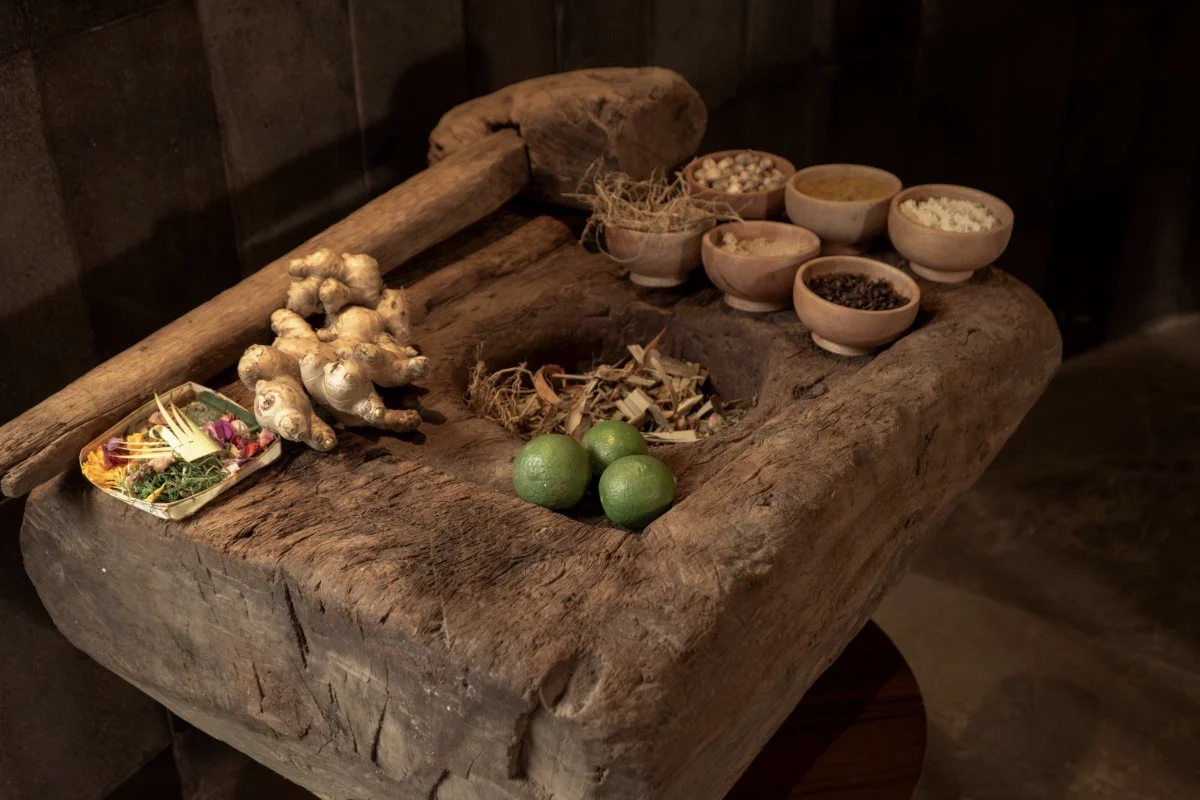
The Traditional Balinese Boreh Treatment is a herbal body wrap made from a blend of warming spices and natural ingredients. Common ingredients include ginger, aromatic ginger (kencur), Java ginger (temulawak), cloves, nutmeg, cinnamon, and rice, which helps hold the mixture together.
According to traditional Balinese medicinal manuscripts known as Usada Bali, boreh Bali is used as a warming topical remedy to help expel “wind” and restore balance in the body.
Ethnobotanical research published in the Journal of Ethnopharmacology also notes that combinations of ingredients from the Zingiberaceae family, such as ginger, together with clove (Syzygium aromaticum), have traditionally been used by Balinese farming communities as topical herbal treatments to support physical well-being.
How Boreh Supports Muscle Recovery
Boreh may support tired muscles mainly through its warming effect and the natural compounds found in its herbal ingredients.
- Improves Blood Flow to Tired Muscles
Research published in Phytotherapy Research discusses active compounds such as gingerol in ginger and eugenol in cloves, which are associated with warming and circulation-supporting effects. The heat created during a boreh massage or body treatment can help increase blood flow around tired muscles, making the body feel warmer and more relaxed after physical activity. - Helps Reduce Muscle Tension and Discomfort
Research in the Journal of Pain Research has also discussed the analgesic and anti-inflammatory properties of compounds such as eugenol. Together with the warming effect of ingredients like ginger, cloves, and nutmeg, Boreh may help relax tense muscles and ease general soreness after strenuous activity.
What Happens During a Boreh Treatment
A Balinese boreh treatment is a traditional body therapy that combines massage, a warm herbal wrap, and gentle exfoliation. The treatment is designed to relax tired muscles, support blood circulation, and remove dead skin cells in one complete wellness session.
The Application and Warming Phase
The treatment usually starts with a light massage to help relax the muscles and prepare the skin. The therapist then applies the wet Boreh mixture across areas such as the back, arms, and legs, while avoiding sensitive areas like the face and chest.
After the herbal blend is applied, the body is wrapped in cloth or a thermal wrap to keep the warmth in. For around 15 to 20 minutes, the herbs create a warming sensation that can encourage perspiration and help ease muscle tension and general body aches.
The Exfoliation and Rinse
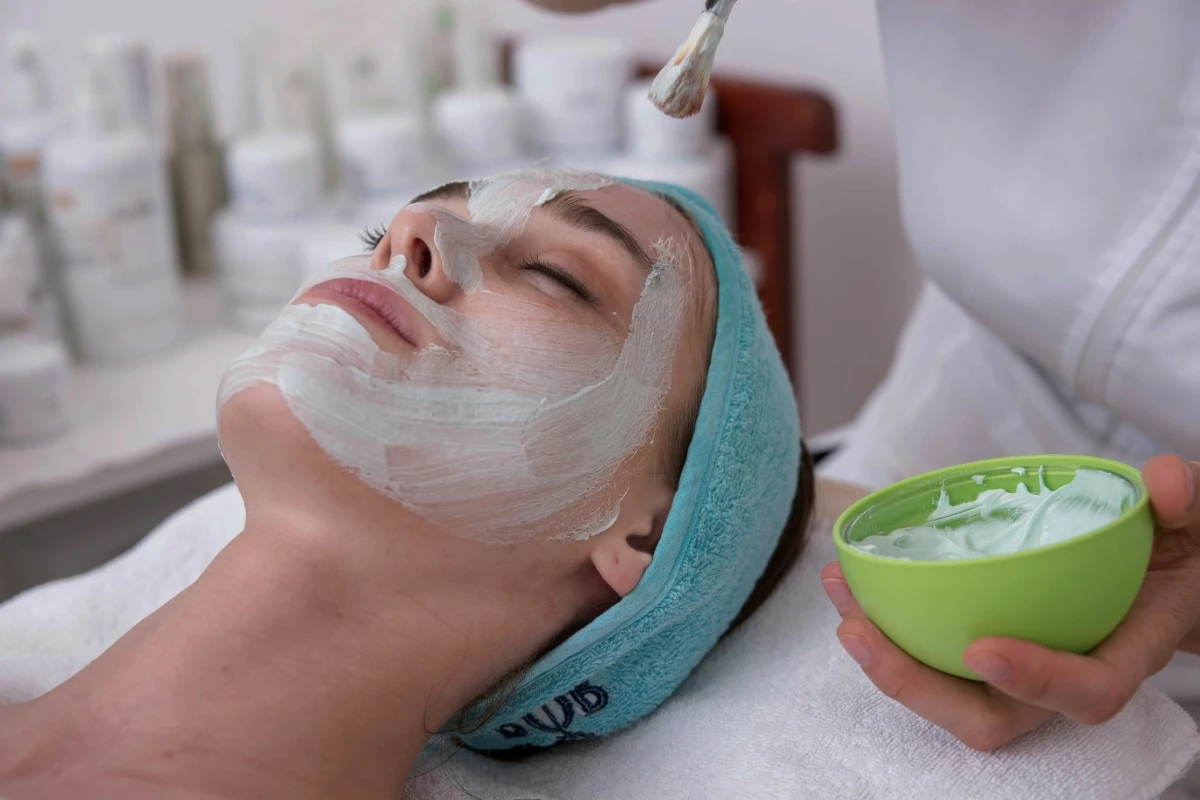
As the mixture begins to dry, the therapist gently rubs it off using circular movements. At this stage, the treatment works like a natural boreh body scrub, helping remove dead skin cells and surface impurities.
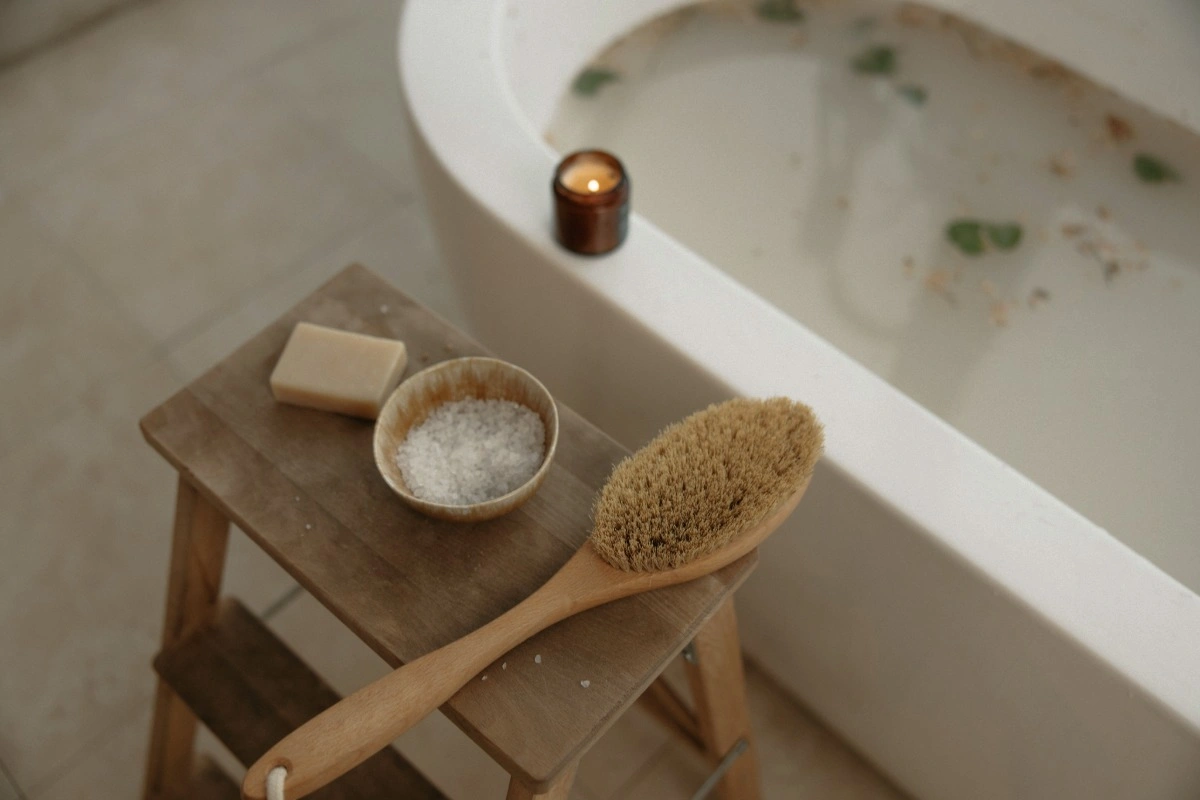
Once the herbal paste is removed, you will usually take a warm shower to rinse off any remaining residue. The treatment may finish with a floral bath or moisturizer to soothe the skin, leaving it feeling clean, smooth, and refreshed.
Boreh Compared to Other Balinese Body Treatments
If you are wondering what Balinese boreh is, it is mainly a warming herbal treatment designed to support the body, especially when the muscles feel tired or sore. This makes it different from other traditional Balinese treatments that focus more on skincare or massage alone.
- Boreh vs. Lulur Scrub
The biggest difference is the purpose of the treatment and the ingredients used.
- Boreh: A boreh body mask is made with warming spices such as ginger, cloves, and nutmeg. It is traditionally used to warm the body and help ease muscle soreness, body aches, and cold-like discomfort.
- Lulur Scrub: Lulur is more focused on skincare. It commonly uses ingredients such as rice, turmeric, sandalwood, and floral or fruit extracts to exfoliate, brighten, and soften the skin while giving a more cooling effect.
- Boreh vs. Massage Alone
A Balinese massage mainly works through pressure and muscle manipulation. The therapist uses different massage techniques to release tension and support blood circulation.
Boreh adds a warming herbal element to that experience. While massage helps loosen the muscles, the herbal wrap provides extra heat that can make the body feel more relaxed and support recovery after physical activity. This makes Boreh a more complete treatment for people who want both massage and traditional herbal body care.
Who Is Boreh Treatment Best For?
A boreh treatment is known for its strong warming effect, so it may be more suitable for some people than others.
Best Suited For
- People with Tired or Sore Muscles:
The warming herbs can feel especially comforting after physical activity, making boreh massage a popular option for people experiencing muscle tension, body aches, or general fatigue. - People Feeling Cold or Uncomfortable:
Traditionally, Boreh has been used in Bali when someone feels cold, has heavy or tired legs, muscle cramps, or symptoms commonly described locally as masuk angin. - Travelers Looking for a Traditional Balinese Experience:
Boreh is also a good choice for those who want to experience a wellness ritual rooted in traditional Balinese herbal practices.
When to Be More Careful
- Sensitive Skin or Eczema:
Ingredients such as ginger and cloves can feel quite strong on the skin and may cause redness, irritation, or a burning sensation for people with sensitive skin. - Pregnancy:
Because Boreh creates an intense warming sensation and uses several potent spices, pregnant guests should check with a healthcare professional before choosing the treatment. - Fever or Certain Health Conditions:
If you have a fever, high blood pressure, or another medical condition that may be affected by heat, it is best to speak with a healthcare professional and inform the therapist before having a Boreh treatment.
A Practical Guide to Booking Boreh in Bali
If you want to try a boreh treatment during your Bali trip, especially in Ubud, there are a few simple things to keep in mind.
- Choose the Right Spa:
Look for a traditional spa or wellness center that prepares Boreh using fresh spices rather than relying only on instant herbal powders. - Tell the Therapist About Your Skin Condition:
If you have sensitive skin or any allergies, let your therapist know before the treatment. They may be able to adjust the strength of the herbal mixture. - Choose the Right Time:
Late afternoon or evening can be a comfortable time for a Boreh session, especially after a full day of activities. The warming treatment can help your body feel more relaxed before resting. - Take Care After the Treatment:
Wear loose and comfortable clothing afterward. It is also better to avoid a cold shower or very cold air-conditioning immediately after the session, so your body can gradually cool down after the warming treatment.
Pairing Boreh with Other Ubud Wellness Rituals
To make the experience feel more complete, a boreh treatment can be combined with other wellness rituals commonly found in Ubud.
- Traditional Balinese Massage:
A Balinese massage can be done before Boreh to help relax tight muscles and improve circulation, preparing the body for the warming herbal wrap. - Herbal or Flower Bath:
After the Boreh mixture is rinsed off, a warm herbal or flower bath can help soothe the skin and wash away any remaining spice aroma. - Yoga and Meditation:
A gentle yoga or meditation session before the treatment can help calm the mind and prepare the body for a more relaxing wellness experience. - Traditional Jamu Drink:
The experience can also end with a warm glass of jamu, such as kunyit asam or beras kencur, as a traditional way to complete the wellness ritual.
Frequently Asked Questions About Boreh Treatment
Here are some common questions people have before trying a Boreh treatment.
- Is Boreh painful or too hot on the skin?
Boreh should not feel painful, but the ginger and cloves can create a warm or slightly tingling sensation. If it starts to feel too hot, uncomfortable, or like it is burning, tell the therapist so the mixture can be removed. - How long does the warming effect last?
The warm and relaxed feeling can last for a few hours after the treatment. Some people also feel sleepy afterward, which can make Boreh a nice option before winding down for the evening. - Is Boreh safe for all skin types?
Not always. Boreh may not be suitable for very sensitive skin, eczema, active irritation, or open wounds because the strong spices can cause redness or stinging. - How often can you have a Boreh treatment?
For general relaxation, once a week is usually enough. If you are considering it more often for muscle soreness or when feeling unwell, it is better to check with the spa therapist or a healthcare professional first.
Bringing Balinese Recovery Wisdom Into Your Own Routine
A boreh treatment is a simple way to experience traditional Balinese wellness, especially if you want to relax tired muscles and enjoy the warming benefits of local herbs. In Ubud, Hammana Spa offers a calm setting where traditional-inspired treatments can become part of your wellness routine.
If you are looking for a spa in Ubud to slow down and recharge after exploring Bali, Hammana Spa is worth considering. Book your treatment at Hammana Spa and make time for a more relaxing wellness experience during your stay.