Contrast therapy is a wellness practice that involves alternating between warm and cool temperatures to expose the body to different levels of heat and cold. Common methods include switching between a sauna and a cold plunge, taking contrast showers with warm and cool water, or alternating between hot and cool Jacuzzi sessions. This practice is often used to promote relaxation and may help ease muscle soreness after exercise without necessarily requiring extreme temperatures.
This guide explores how contrast therapy works, what scientific research says about its potential benefits, and how to practice it safely. It covers the differences between gentle and more intense temperature changes, typical session steps, recovery and relaxation, and whether to finish with warm or cool water.
You will also learn about the potential risks and benefits of contrast therapy supported by scientific evidence. The guide then introduces Hammana Spa Ubud at Equipoise Resort, where guests can experience a 45-minute Hot & Cool Jacuzzi ritual featuring alternating warm and cool water immersion, alongside traditional Turkish and Moroccan hammam experiences. Explore the wellness rituals at Hammana Spa or book a Hot & Cool Jacuzzi session to experience a relaxing approach to contrast therapy.
What Is Contrast Therapy?
Contrast therapy is a hydrotherapy practice that involves alternating between warm and cold temperatures for a set period. Common methods include combining a sauna and cold plunge, switching between warm and cold Jacuzzi baths, or taking a contrast shower by adjusting the water temperature. When performed using water, this practice is also known as contrast water therapy (CWT).
The main purpose of contrast therapy is to expose the body to different temperatures, which may help promote relaxation and reduce muscle pain or soreness after physical activity. A systematic review and meta-analysis published in PLOS ONE in 2013 found that contrast water therapy may help reduce delayed onset muscle soreness (DOMS) compared to passive recovery.
However, all 18 studies included in the review had a high risk of bias. This means the findings should be interpreted carefully, and contrast therapy should not be considered a treatment for specific injuries or medical conditions.
What the Research Says About Contrast Therapy Benefits
Several studies have explored the potential benefits of contrast therapy, particularly for muscle recovery, reducing soreness after exercise, and improving physical comfort. However, the scientific evidence varies depending on the benefit being studied. Results may also differ based on water temperature, session duration, and a person’s health condition.
Muscle Soreness After Activity
One of the most studied benefits of contrast therapy is its potential to reduce delayed onset muscle soreness (DOMS), which refers to muscle pain that develops after intense or unfamiliar physical activity. A systematic review and meta-analysis published in PLOS ONE in 2013 found that contrast water therapy may help reduce muscle soreness after exercise compared to passive recovery or resting without additional treatment.
However, more recent studies have shown mixed results. A 2016 meta-analysis published in Frontiers in Physiology reported improvements in perceived fatigue after exercise but did not find a statistically significant reduction in muscle soreness in its main analysis. Based on these findings, contrast therapy may help support comfort during recovery, but it has not been proven to speed up muscle healing.
Relaxation and the Nervous System
Warm and cold water can affect the autonomic nervous system, which controls functions such as heart rate, breathing, and the body’s response to temperature changes. Cold water exposure may increase sympathetic nervous system activity, while warm water can help the body feel more comfortable and relaxed.
A 2022 study published in the Journal of Applied Physiology found that regular warm-water immersion over four weeks reduced resting sympathetic nervous system activity in a small group of healthy adults.
However, this study focused on warm-water immersion rather than alternating between hot and cold temperatures. Although some people feel more relaxed after contrast therapy, scientific evidence remains limited regarding its ability to reduce chronic stress, relieve anxiety, or provide long-term benefits for the nervous system.
Warm Water, Sleep, and Evening Relaxation
Taking a warm bath or shower before bedtime may help improve sleep. A systematic review and meta-analysis published in Sleep Medicine Reviews in 2019 found that bathing in warm water for at least 10 minutes, around 1–2 hours before bedtime, was associated with better sleep quality and a shorter time needed to fall asleep.
This effect is related to how the body regulates temperature. After a warm bath, the body gradually releases heat, which may help prepare it for sleep.
However, the research focused on warm-water bathing rather than contrast therapy. Therefore, there is not enough evidence to confirm that alternating between warm and cold water provides the same or greater sleep benefits.
Claims to Treat with Caution
Although contrast therapy is becoming more popular in wellness practices, some of its claimed health benefits still lack strong scientific evidence. These include:
- Detoxification: There is no strong clinical evidence that contrast therapy removes toxins from the body or replaces the natural functions of the liver and kidneys.
- Immune System Boosting: Research has not consistently shown that contrast therapy improves immune function or helps prevent illness.
- Long-Term Cardiovascular Health: While changes in water temperature can temporarily affect blood vessels and circulation, there is not enough evidence to confirm long-term improvements in heart health.
- Stress and Mental Health Treatment: Feeling relaxed after a session does not mean contrast therapy is a proven treatment for anxiety, depression, or chronic stress.
A systematic review published in Experimental Physiology also found that evidence on the effects of contrast therapy on blood pressure, vascular health, and metabolism remains limited and inconsistent.
It is also important to understand that extreme temperature changes may carry health risks, especially for people with heart disease, irregular heart rhythms, or uncontrolled high blood pressure. For this reason, contrast therapy should be approached carefully and should not replace professional medical treatment.
Common Forms of Contrast Therapy
Contrast therapy can be practiced in several ways by alternating between warm and cold temperatures. Often referred to as hot-cold contrast therapy or contrast hydrotherapy, these methods differ in the type of water or heat exposure, temperature intensity, and session duration.
According to research published in Sports Medicine, water-based temperature therapies include hot water immersion, cold water immersion, and contrast water therapy, which combines both temperatures.
Here are some common methods of contrast therapy:
- Sauna and Cold Plunge: This method combines heat exposure in a sauna with immersion in cold water. Because the temperature difference can be significant, it is important to consider session duration, personal comfort, and individual health conditions.
- Contrast Showers: This method involves switching between warm and cool or cold water while showering. It allows users to control the temperature and duration without needing a swimming pool or bathtub.
- Hot and Cold Jacuzzi: This method uses two separate pools or soaking areas with different water temperatures. Guests move between warm and cool water during a single session, allowing the body to experience different temperature sensations,
- Contrast Baths: Commonly used in physiotherapy and rehabilitation, contrast baths involve placing specific body parts, such as hands or feet, alternately in warm and cold water. However, scientific evidence supporting some of their claimed clinical benefits remains limited.
Although these methods follow similar principles, each has different temperature levels, intensity, and contrast therapy timing. A 2026 systematic review published in Experimental Physiology found that studies use different temperature combinations and session durations. Therefore, there is no single protocol proven to be the most effective for every health goal.
For those wondering, “Is contrast therapy good for you?” it is important to understand both the potential hot-cold therapy benefits and the disadvantages of contrast therapy. While some people may experience relaxation or reduced muscle soreness, sudden temperature changes can also cause discomfort or pose health risks. Choosing a suitable method depends on individual health conditions, temperature tolerance, and personal wellness goals.
Gentle Contrast vs Ice-Cold Contrast: Choosing Your Intensity
Contrast therapy does not always require ice-cold water or extreme temperature changes. The intensity can be adjusted based on personal comfort, previous experience, and individual wellness goals. The main difference between gentle contrast and ice-cold contrast is the level of temperature change and how the body responds to it.
- Gentle Contrast Therapy
Gentle contrast therapy involves alternating between warm water and cool water without reaching the very low temperatures used in ice baths. This approach may be more comfortable for people who want to experience changes in temperature without the intensity of extreme cold.
This method is generally more suitable for wellness sessions that focus on comfort and relaxation. However, there is no medically standardized temperature range for gentle contrast therapy. Its effects should also not be considered the same as the contrast water therapy methods used in sports science research. - Ice-Cold Contrast Therapy
Ice-cold contrast therapy involves a greater difference between warm and cold temperatures. It typically uses cold water at around 10–15°C and warm water at approximately 38–40°C. These temperature ranges have been used in some studies on post-exercise recovery, but they are not suitable for everyone.
Sudden exposure to cold water can trigger a cold shock response, which causes an immediate increase in breathing rate, heart rate, and blood pressure. According to the American Heart Association, this response may be dangerous, particularly for people with certain cardiovascular conditions. Therefore, it is important to consider personal health conditions and cold tolerance before trying this method.
How a Contrast Therapy Session Usually Flows
A typical contrast therapy session involves several stages, starting with preparation, followed by warm-water exposure, cool-water immersion, and recovery. During the session, users alternate between different temperatures for short periods, allowing the body to adjust gradually rather than staying in extreme heat or cold for too long.
However, there is no single standard procedure, as the temperature, session duration, and number of cycles depend on the method and purpose of the therapy. Here is how a typical contrast therapy session may be carried out:
- Prepare the Body
Before starting, take some time to settle down, drink enough water, and understand the temperature settings. Beginners should start with a comfortable difference between warm and cool temperatures instead of immediately trying extreme heat or cold. If you have an existing medical condition, consult a healthcare professional before starting. - Begin with Warm Water Exposure
Start with a short session in a warm Jacuzzi, hot bath, or sauna, depending on the available facilities. Warm water provides a comfortable environment and may help ease muscle tension. Avoid staying too long, especially if you begin to feel overheated, dizzy, or uncomfortable. - Transition to Cool Water
Next, move to a cooler Jacuzzi, cold bath, or shower for a shorter period. The change in temperature creates a different physical response. If you are new to contrast therapy, start with mildly cool water instead of an ice-cold plunge. Try to maintain steady and controlled breathing during this stage. - Alternate Between Warm and Cool Sessions
Depending on the chosen method, repeat the warm and cool sessions for several cycles. Some contrast bath protocols used in sports research alternate between approximately 3–4 minutes in warm water and 1 minute in cold water. However, these timings are examples from research and should not be treated as a standard recommendation for every full-body Jacuzzi session. - Finish with Recovery and Relaxation
After completing the cycles, leave the water carefully and allow your body to return to a comfortable temperature. Take time to rest, drink water, and pay attention to how your body feels. There is currently no conclusive evidence showing that every contrast therapy session should end with either warm or cool water. The final stage can depend on the chosen method and personal comfort.
Important Safety Note: Contrast therapy should feel controlled and comfortable, not physically overwhelming. Stop the session immediately if you experience dizziness, chest pain, unusual heart palpitations, shortness of breath, or significant discomfort. Seek medical assistance when necessary.
Contrast Therapy Within the Hammam and Spa Tradition
A hammam, or traditional Middle Eastern bathhouse, has a long history of providing spaces for bathing, relaxation, and social interaction. Historically, some bathhouses featured rooms with different temperatures, including a hot room (caldarium), a warm room (tepidarium), and a cool room (frigidarium).
Visitors moved between these rooms as part of their bathing experience. However, hammam designs and practices have varied across different regions and periods, so alternating between temperatures is not necessarily part of every traditional hammam ritual.
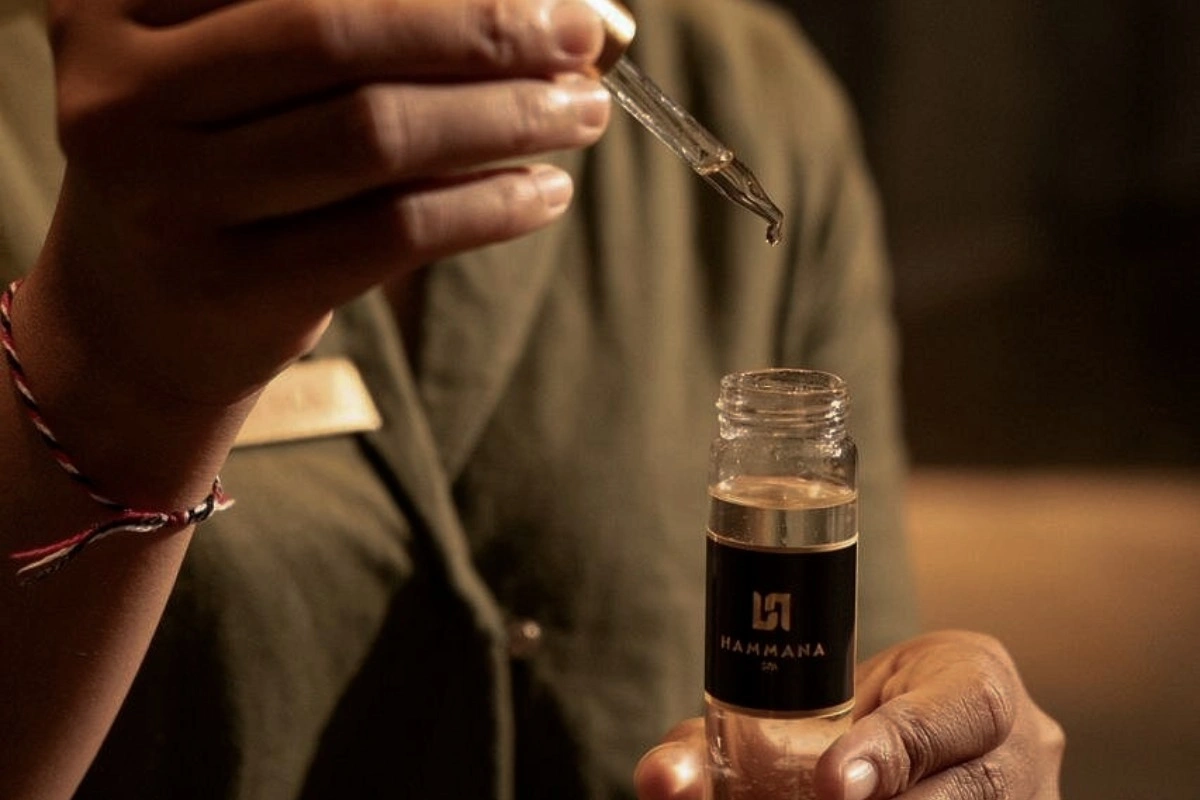
Today, the concept of changing temperatures is also used in modern spa treatments through hydrotherapy. One example is the Hot & Cool Jacuzzi at Hammana Spa, located within Equipoise Resort Ubud. This 45-minute experience involves alternating between warm and cool Jacuzzi baths.
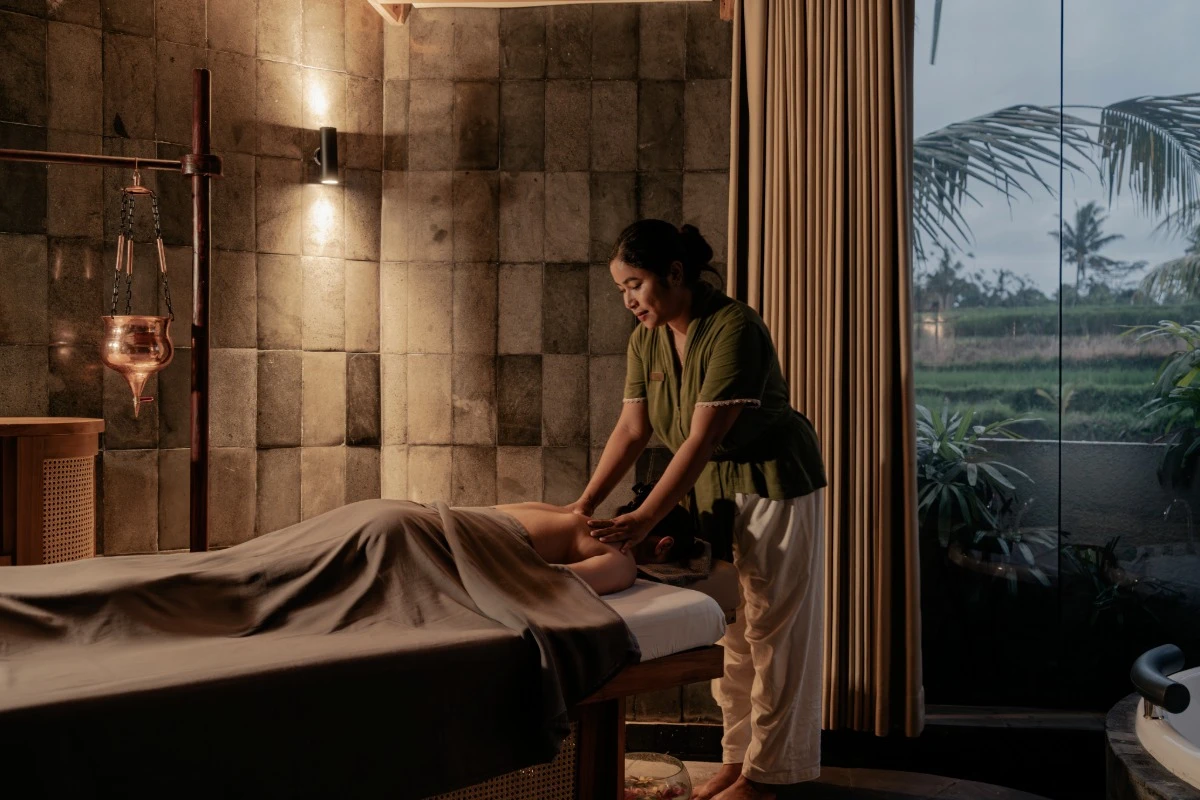
In addition to this experience, Hammana Spa offers traditional Turkish and Moroccan hammam treatments. The Turkish Hammam uses Turkish olive oil soap and warm lather, while the Moroccan Hammam features Moroccan black soap, gentle exfoliation, and warm steam. Although these treatments have different methods and purposes, they can complement each other as part of a wellness and relaxation routine.
Who Should Skip or Adjust Contrast Therapy
Although contrast therapy can be a relaxing wellness experience, alternating between warm and cold water is not suitable for everyone. Cold exposure causes blood vessels to narrow, which may increase blood pressure and place additional strain on the heart. The American Medical Association (AMA) advises caution for people with certain cardiovascular conditions. The Cleveland Clinic also recommends consulting a medical professional before trying cold plunges, especially for those with existing health conditions.
The following groups should avoid extreme temperature changes or consult a medical professional before trying contrast therapy:
- People with Heart Conditions
People with heart disease, heart rhythm disorders (arrhythmias), or uncontrolled high blood pressure should avoid contrast therapy unless they have received medical approval. Sudden temperature changes can increase blood pressure and trigger potentially dangerous cardiovascular responses. - People with Circulation Disorders
People with Raynaud’s disease, Buerger’s disease, or other peripheral circulation disorders should avoid extreme cold exposure. Cold temperatures cause blood vessels to narrow, which may further reduce blood flow and worsen existing circulation problems. - Pregnant Women
Pregnant women should avoid hot tubs and saunas, particularly during early pregnancy, unless advised otherwise by a medical professional. According to the American College of Obstetricians and Gynecologists (ACOG), excessive heat exposure that raises the body’s core temperature may pose risks to fetal development. - People with Diabetes or Reduced Sensation
People with diabetes, peripheral neuropathy, or reduced temperature sensitivity should take extra precautions. Reduced skin sensation may make it difficult to recognize when water is too hot or too cold, increasing the risk of skin injuries or burns. - People with Open Wounds or Active Infections
People with open wounds or active skin infections should avoid soaking the affected areas in warm or cold water without medical advice. Physiotherapy guidelines from the University Hospitals of Leicester also identify these conditions as reasons to avoid contrast bathing.
Before trying contrast therapy, it is important to consider your health condition and personal tolerance to temperature changes. If you have an underlying medical condition or are unsure whether this practice is suitable for you, consult a healthcare professional first.
Contrast Therapy FAQs
- What Is Contrast Therapy and How Does It Work?
Contrast therapy is a hydrotherapy method that involves alternating between warm and cold water. Warm water causes blood vessels near the skin to widen, a process called vasodilation. Cold water causes these blood vessels to narrow, a process known as vasoconstriction. Both are natural responses that help the body adjust to temperature changes. - What Are the Benefits of Contrast Therapy?
Contrast therapy may help reduce muscle soreness after physical activity and promote relaxation. A 2013 study review published in PLOS ONE found that contrast water therapy may reduce muscle soreness compared to passive recovery. However, scientific evidence supporting its long-term health benefits remains limited. - How Long Should a Contrast Therapy Session Last?
There is no standard duration for every contrast therapy session. The recommended time depends on the water temperature, method used, and individual health conditions. It is best to follow the instructions provided by a trained spa professional or healthcare provider. - Does Contrast Therapy Have to Include Ice-Cold Water?
No. Contrast therapy can involve switching between warm and cool water without using extremely cold temperatures. Larger temperature differences do not always provide better results and may increase health risks for some people. - Should Contrast Therapy End With Hot or Cold Water?
There is no strong scientific evidence that contrast therapy must always end with either warm or cold water. The final temperature can depend on the chosen method and personal comfort. Extreme temperature changes are not necessary for every session
Finding Your Own Rhythm Between Warm and Cool
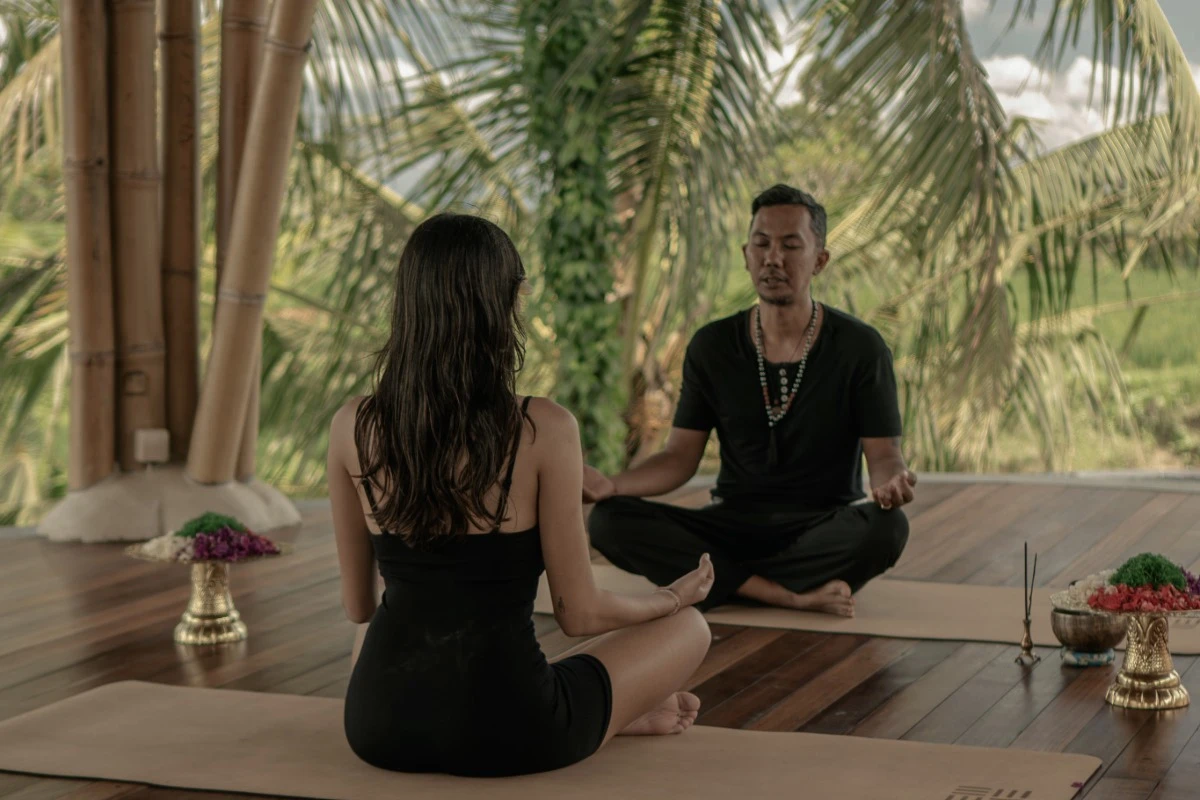
Contrast therapy offers a way to experience the effects of alternating warm and cool temperatures, with potential benefits for relaxation and post-exercise muscle comfort. The key is to choose a temperature and session duration that suit your personal comfort and health condition. For those looking for a spa in Ubud that offers this wellness experience, Hammana Spa at Equipoise Resort Ubud provides a 45-minute Hot & Cool Jacuzzi ritual designed for a relaxing hydrotherapy session.
Beyond contrast therapy, Hammana Spa also offers traditional Turkish and Moroccan hammam treatments, providing different ways to enjoy relaxation and body care. Whether you want to try warm and cool water immersion or explore traditional hammam rituals, Hammana Spa offers a selection of wellness experiences to suit your preferences. Book your session at Hammana Spa Ubud and discover a relaxing approach to wellness during your visit to Bali..