A signature scent is a distinctive fragrance that reflects your personality, preferences, and identity. Finding a scent that feels personal involves understanding different fragrance families, the combination of top, middle, and base notes, and how the fragrance develops on your skin over time.
When choosing a fragrance, it is also important to consider Bali’s tropical climate, particularly its temperature and humidity. Indonesian aromatic ingredients such as patchouli, vetiver, ylang-ylang, champaca, and clove can also be combined to create a personalized fragrance.
This guide explains how to choose a signature scent, including how to identify fragrance profiles, test how long a scent lasts on your skin, and create custom blends. It also introduces the Wariga approach offered at Hammana Spa Ubud, which focuses on personalized aromatic oil selection and aromatherapy rituals.
What Makes a Scent Feel Like Yours
A fragrance feels personal when it reflects your personality, preferences, lifestyle, or past experiences. Woody and spicy notes, for example, can create a sense of warmth and comfort, while citrus and floral notes often feel fresh, light, and uplifting.
Emotions also influence fragrance preferences. Certain scents can remind you of places you have visited, childhood memories, natural surroundings, or meaningful moments in your life.
Besides personal preferences, factors such as skin oil levels, moisture, and body temperature can affect how a fragrance develops and how long it lasts. This explains why the same perfume may smell slightly different on each person.
Understanding how to choose a signature scent for yourself goes beyond following fragrance trends or relying on first impressions. A personal fragrance should feel comfortable to wear regularly, suit your daily lifestyle, and create a natural emotional connection.
The Fragrance Families You Keep Returning To
The Fragrance Families You Keep Returning To
Understanding the fragrance families you are naturally drawn to is a helpful step in learning how to choose a signature scent. Each family has distinctive characteristics, and identifying your preferences can help narrow down the options that suit your personality and lifestyle.
The fragrance wheel generally groups scents into four main families:
- Floral: Features soft, sweet, or fresh floral notes, with common ingredients such as rose, jasmine, ylang-ylang, and champaca.
- Fresh: Offers a light, clean, and refreshing scent through citrus, green, and aquatic notes. Citrus ingredients are often used as top notes, creating a fresh first impression that suits everyday wear, particularly in tropical climates.
- Woody: Combines woody and earthy notes to create a warm and deep fragrance. Common ingredients include sandalwood, vetiver, cedarwood, and patchouli.
- Amber: Characterized by warm, rich, sweet, or spicy aromas. Vanilla, resins, cinnamon, and cloves are commonly found in this fragrance family.
To identify your preferred fragrance family, pay attention to the fragrance notes found in the perfumes, soaps, aromatic oils, and personal care products you regularly use. These preferences can help you select a signature scent or combine different fragrance families to create a more personalized fragrance.
How Fragrance Notes Unfold on Skin
Fragrances are composed of three main layers: top, middle, and base notes. Each layer has a different evaporation rate and contributes to the overall scent profile. Understanding how these notes develop on the skin can help you choose a fragrance or learn how to layer fragrance without relying solely on the initial impression.
Top Notes and the First Impression
Top notes are the first scents you notice after applying perfume. They are generally light and evaporate quickly, lasting approximately 5–30 minutes before gradually fading.
Bergamot, lemon, grapefruit, mint, and lemongrass are common ingredients used in this layer. Although top notes create the first impression, they do not represent the full character of a fragrance.
Heart Notes and the Character of a Scent
Heart notes, also known as middle notes, become more noticeable as the top notes fade. They form the main character of a fragrance and generally last for several hours.
Rose, jasmine, ylang-ylang, champaca, and cardamom are commonly used in this layer. In a perfume or essential oil blend, middle notes help balance the lighter top notes with the richer aromas of the base notes.
Base Notes and What Lingers for Hours
Base notes evaporate more slowly and typically remain on the skin the longest. They generally have a richer, deeper character and provide the foundation of a fragrance.
Common base note ingredients include patchouli, vetiver, sandalwood, vanilla, and musk. Since these notes can last for several hours or longer, testing a fragrance directly on your skin is recommended before choosing a signature scent.
The duration of each fragrance layer may vary depending on its composition, concentration, individual skin conditions, temperature, and humidity.
Skin Chemistry: What Science Supports and What Gets Overstated
The term “skin chemistry” is often used to explain why the same perfume can smell different on each person. Although skin conditions can influence how a fragrance evaporates, develops, and lasts, not all claims about the relationship between body chemistry and fragrance are supported by strong scientific evidence.
Factors That Genuinely Change a Scent
Skin temperature, natural oil levels, and hydration can affect how a fragrance develops. Higher temperatures may cause aromatic compounds to evaporate faster, while skin surface conditions can influence how long the fragrance remains after application.
Scented lotions, soaps, and other personal care products can also affect how a perfume smells. In addition, the concentration and formulation of a fragrance influence its intensity, longevity, and how its heart notes and base notes develop on the skin.
A 2025 study published in the International Journal of Cosmetic Science suggests that skin hydration and surface texture can influence the evaporation rate of fragrance molecules. However, the effects vary depending on the physical and chemical properties of each aromatic compound.
Factors That Are Often Exaggerated
There is a common belief that skin pH can significantly change how a perfume smells. Although pH may affect certain compounds, research suggests that chemical changes in perfume applied to clean, dry skin are relatively minor.
Similarly, claims that blood type, diet, or hormones determine which fragrance suits a person lack sufficient scientific evidence. If you find yourself wondering, “What should my signature scent be?”, testing different fragrances directly on your skin for several hours is a more reliable approach.
This also applies when choosing or creating a custom fragrance, as testing helps you understand how the ingredients develop on your skin over time.
Why Tropical Heat and Humidity Change the Picture
In tropical regions like Bali, higher temperatures can cause aromatic compounds to evaporate more quickly. A perfume may initially smell stronger, but certain notes may fade sooner. Humidity, perspiration, and skin conditions can also influence how a fragrance develops throughout the day.
Among the different fragrance families, citrus, green, and aquatic scents offer a light and refreshing feel for outdoor activities. Meanwhile, gourmand fragrances, which often feature sweet notes such as vanilla and caramel, may feel richer or heavier in hot weather.
To find a signature scent that suits a tropical climate, try wearing it during your daily activities. Remember that fragrance longevity depends not only on its fragrance family but also on its formulation and concentration.
How to Choose a Signature Scent for Yourself
Finding a signature scent involves exploring different fragrances to discover which one suits your personal preferences and daily routine. Here are some practical steps to help you find the right fragrance:
- Identify your fragrance preferences. Pay attention to the types of scents you naturally enjoy or frequently use, whether floral, fresh, woody, or amber.
- Consider your lifestyle. Choose a fragrance with a character and intensity that suits your daily activities, work environment, and local climate.
- Use fragrance testing strips. Testing strips help you get an initial impression of a fragrance before applying it directly to your skin.
- Test the fragrance on your skin. Apply a small amount to your wrist without rubbing it, allowing the fragrance to develop naturally.
- Observe how the scent develops. Allow a few hours for the top, heart, and base notes to unfold. Pay attention to how strong the fragrance smells and how long it lasts.
- Wear it for several days. Try a fragrance sample during different activities and in various settings to determine whether it feels comfortable for regular use.
A signature scent does not have to be strong or have a complex composition. What matters most is finding a fragrance that reflects your personal taste, complements your lifestyle, and feels comfortable to wear every day.
How a Personal Blend Is Built
Creating a personal blend involves combining different aromatic ingredients to develop a fragrance that suits individual preferences. The process generally uses three layers of fragrance notes, each contributing to the overall character and balance of the scent.
| Scent Layer | Function | Examples of Aromatic Ingredients |
| Top notes | Create a light and refreshing first impression. | Bergamot, lemon, lemongrass |
| Heart notes | Form the main character of the fragrance. | Ylang-ylang, champaca, jasmine |
| Base notes | Add depth and help the fragrance last longer. | Patchouli, vetiver, sandalwood |
Indonesia offers a variety of aromatic ingredients that can be used to create a personalized fragrance. Patchouli provides a rich, earthy aroma, while vetiver adds a woody character. Ylang-ylang and champaca introduce floral notes, while clove contributes a warm, spicy scent.
The blending process involves adjusting the proportions of each ingredient until the desired fragrance balance is achieved. Once combined, the mixture can be left to rest and tested periodically, as its scent profile may change over time as the ingredients settle.
When creating an essential oil blend for application on the skin, it is important to dilute the essential oils with a carrier oil, such as jojoba oil or fractionated coconut oil. Following the recommended dilution and safety guidelines for each ingredient helps make the personal blend suitable for skin application while reducing the risk of irritation.
Bali’s Aromatic Palette
Indonesia is home to a wide variety of aromatic ingredients traditionally used in fragrances, massage oils, body care products, and cultural rituals. In Bali, flowers, spices, and aromatic oils are commonly used in daily life, religious ceremonies, and spa treatments.
Several Indonesian aromatic ingredients can be used to create a signature scent, including:
- Patchouli: Has an earthy, woody, and slightly sweet aroma that adds depth to a fragrance.
- Vetiver: Offers a woody, earthy, and subtly smoky scent, commonly used as a base note.
- Cananga: Provides a rich, sweet floral aroma with a distinctive tropical character.
- Champaca: Features a floral scent with subtle sweet and spicy notes.
- Clove: Adds a warm, sharp, and slightly sweet spicy aroma to a fragrance blend.
These ingredients can be combined with citrus, woody, or other floral notes to create a fragrance that suits individual preferences. Incorporating Indonesian aromatic ingredients into a personal blend can also help capture memories and meaningful experiences associated with a visit to Bali.
Crafting a Scent Within a Spa Ritual
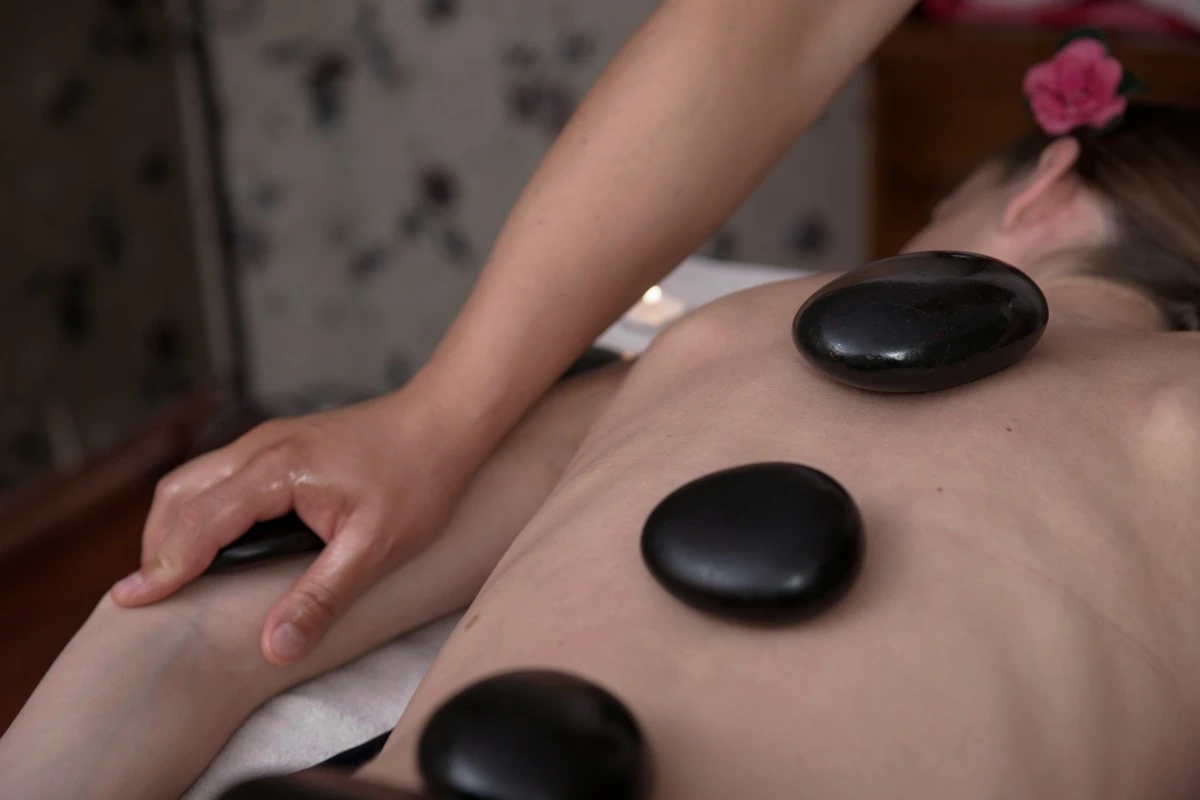
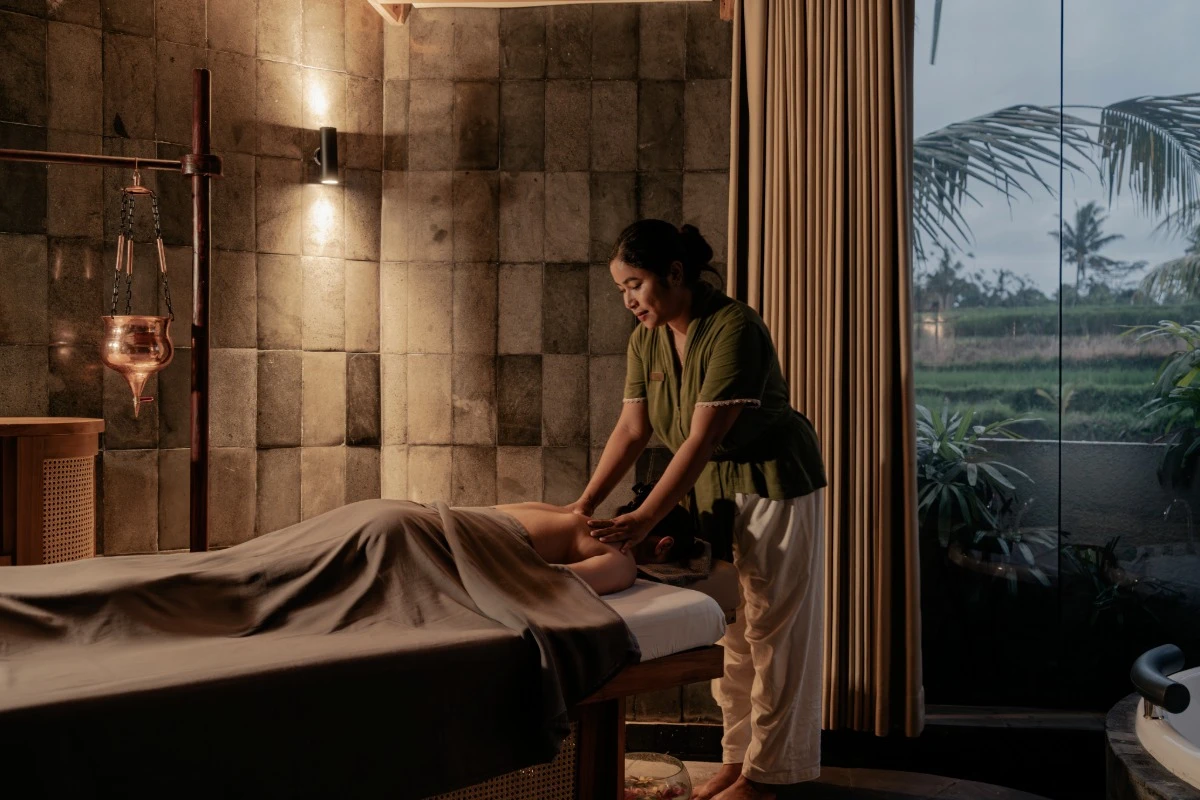
Creating a personal scent is not limited to perfumery. It can also be explored through aromatherapy during a spa treatment, allowing guests to discover different essential oils, understand their aromatic characteristics, and identify the scents that appeal to them.
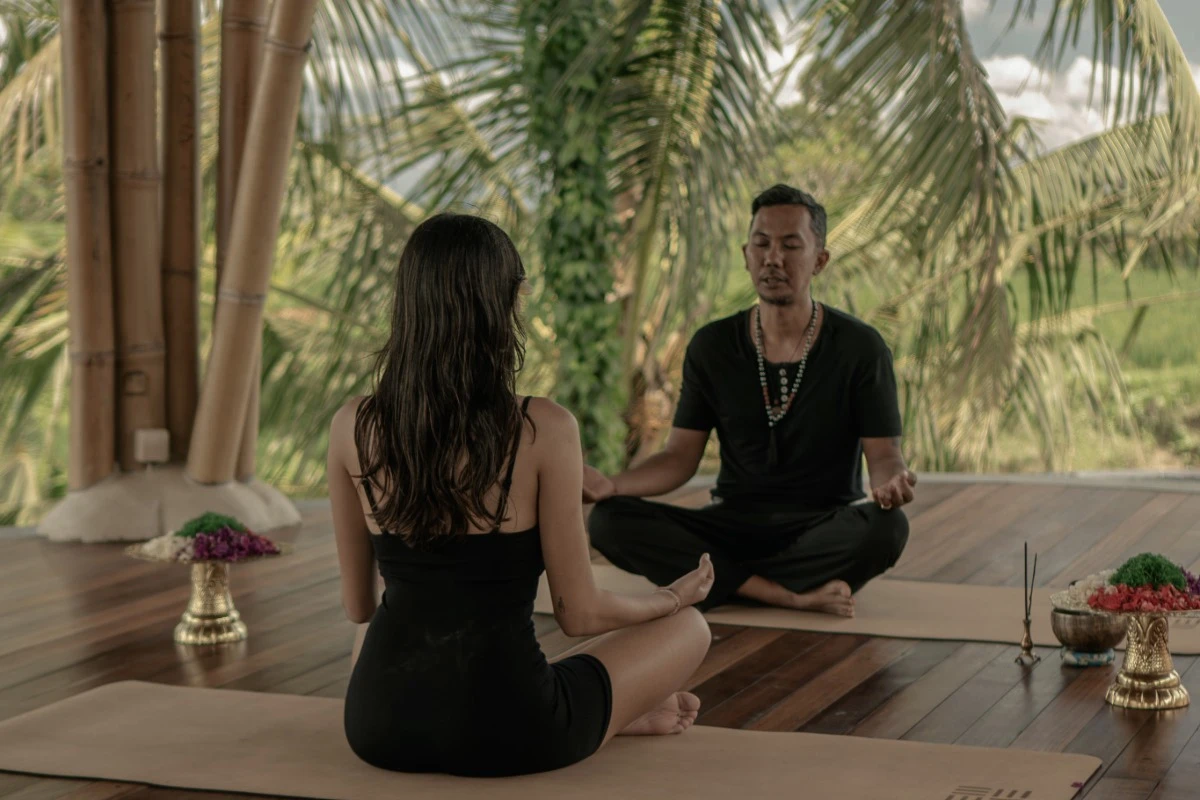
Hammana Spa Ubud offers this experience by combining traditional Turkish Hammam practices with the Balinese Wariga wellness approach. Based on a traditional Balinese calendar system, Wariga is used to identify an individual’s birth elements and guide the personalization of spa treatments and aromatic oil selection.
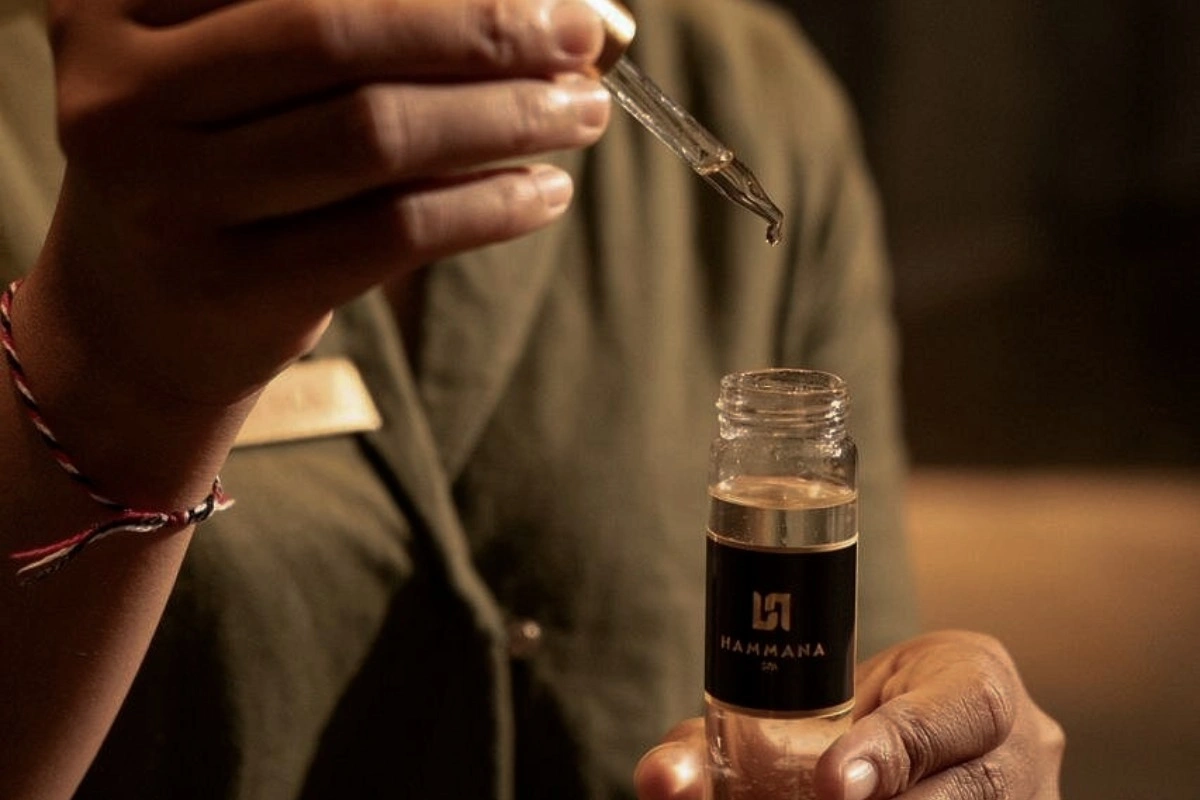
The experience begins with a warm milk foot ritual, followed by a Wariga birth reading. Guests are then introduced to 12 essential oils with different aromatic profiles and invited to create a personal blend based on their Wariga profile and fragrance preferences. The customized blend is then incorporated into the rest of the spa treatment.
The Wariga approach to fragrance selection is rooted in Balinese philosophy and tradition rather than a scientific method for determining skin compatibility. For those interested in exploring the connection between fragrance, emotions, and personal identity, Hammana Spa Ubud offers an opportunity to discover and create a signature scent through a personalized aromatherapy experience.
Frequently Asked Questions
- What is a signature scent?
A signature scent is a distinctive fragrance that you wear regularly and becomes associated with your personal identity. Choosing one depends on your fragrance preferences, lifestyle, personal comfort, and emotional connection to the scent. - How do I know which fragrance suits me?
Start by identifying the fragrance families you naturally enjoy, then test different fragrances directly on your skin. Allow a few hours for the notes to develop before deciding whether the scent suits your personal taste. - Can I have more than one signature scent?
Yes, you can have multiple signature scents for different activities, moods, seasons, or occasions. For example, a fresh citrus fragrance may suit your daily routine, while a woody scent may be more suitable for evening events. - What fragrance works well in Bali’s tropical climate?
Fragrances with citrus, green, aquatic, or light floral notes are suitable options for Bali’s tropical climate, as they offer a light and refreshing feel. However, how long a fragrance lasts depends on its formulation, concentration, skin conditions, and daily activities. - Can I create my own signature scent using essential oils?
Yes, you can combine different essential oils to create a fragrance that matches your personal preferences. Before applying the blend to your skin, dilute the essential oils with a suitable carrier oil and follow the recommended safety guidelines for each ingredient to reduce the risk of irritation.
A Scent That Grows With You
Finding a signature scent is about discovering a fragrance that reflects your personality, suits your lifestyle, and creates an emotional connection. Hammana Spa, a spa in Ubud that combines Turkish Hammam traditions with the Balinese Wariga wellness approach, offers a personalized aromatherapy experience where guests can explore different essential oils and create their own aromatic blend.
Discover the fragrance that feels right for you while enjoying a relaxing wellness experience. Book your treatment at Hammana Spa Ubud and create a personal scent that captures your preferences and memories of Bali.