Bali’s spas are home to countless treatments that work wonders for the mind, and Shirodhara, a traditional therapy rooted in India’s Ayurvedic practice, is one of the standouts. This treatment involves warm liquid poured in a slow, continuous, rhythmic stream over the forehead, known for easing stress and offering a range of other benefits for the mind and body.
If this ancient therapy has caught your attention, we’ll walk you through everything you need to know: what Shirodhara is, its benefits, and what to expect when you book a session.
What Shirodhara Means and Where It Comes From
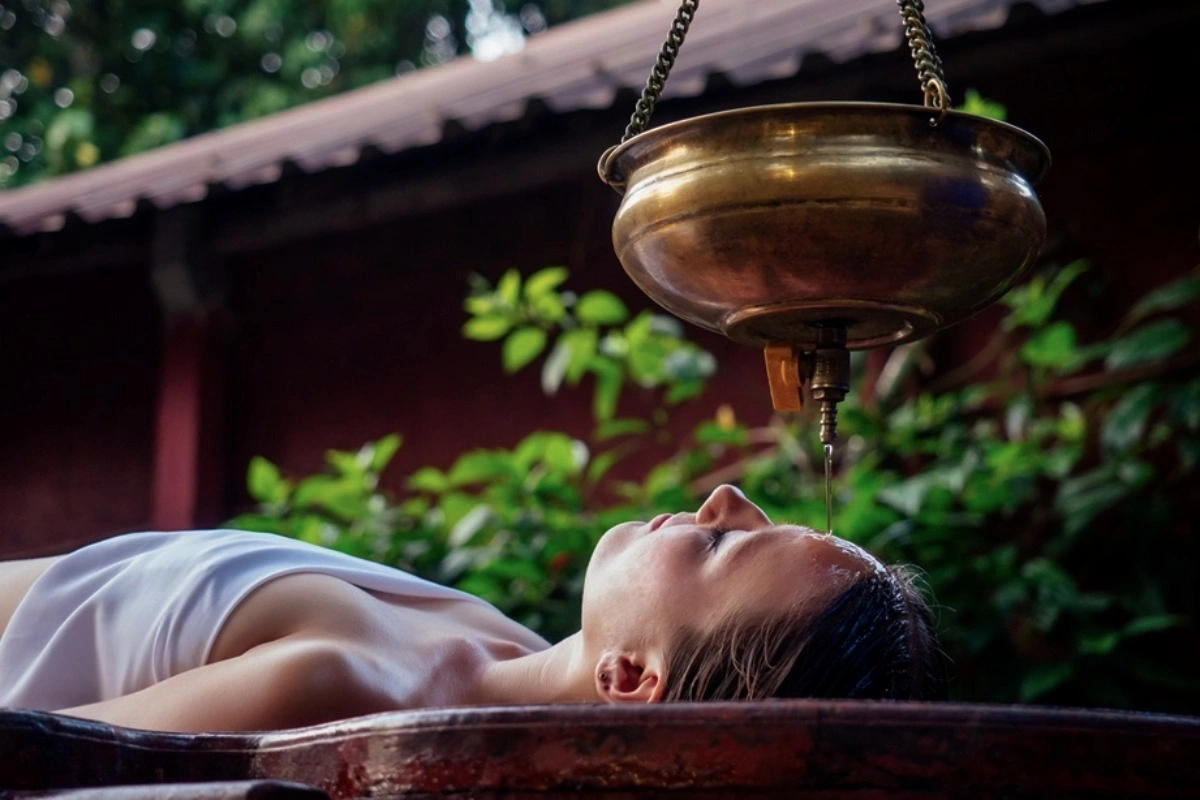
Shirodhara is a traditional therapy where warm liquid, usually herbal oil, milk, or water, is poured slowly and rhythmically over the forehead, right at the “third eye” point. The practice originates from India and is part of the ancient healing system of Ayurveda.
The word Shirodhara itself is a combination of two words: shiro, meaning head, and dhara, meaning flow or stream. This practice dates back thousands of years in India and has continued to evolve as a way to balance the body’s energy while calming the mind and nervous system.
How Shirodhara Affects the Mind and Body
Shirodhara works on both the mind and body by streaming warm oil rhythmically over the forehead, delivering deep relaxation to the central nervous system. Here’s a closer look at how this treatment works, both physically and mentally.
How It Works on the Mind
- Calms the Nervous System: The constant flow of warm oil stimulates a vital point (marma) on the forehead, directly soothing the sympathetic nervous system while activating the parasympathetic system, the body’s rest and recovery mode.
- Regulates Hormones and Neurotransmitters: This process helps lower stress hormones like cortisol while balancing serotonin, dopamine, and melatonin levels, which play a role in mood and sleep quality.
- Balances the Doshas: In Ayurveda, this treatment helps ease imbalances in vata and pitta dosha, often considered the root cause of anxiety, an overactive mind, and insomnia.
How It Works on the Body
- Boosts Blood Circulation: The warm liquid and gentle friction improve blood flow around the head, neck, and brain, increasing oxygen supply to brain cells.
- Reduces Physical Tension: The relaxing effect on the head radiates throughout the body, helping ease headaches, migraines, and tense muscles.
- Triggers Homeostasis: By calming the senses and mind, the body is activated into self-healing mode, restoring overall physiological balance.
The Benefits of Shirodhara Treatment
There are many Shirodhara benefits worth experiencing, including:
Deeper Sleep and Relief From Insomnia
The first benefit of Shirodhara therapy is deeper sleep and relief from insomnia. The gentle pressure on the forehead slows down active brain waves, quieting the mind, while also helping stop anxious thoughts at night so you can drift off faster.
Relief From Stress, Anxiety, and Mental Fatigue
The oil used during the therapy session also helps lower cortisol levels in your body. On top of that, the treatment releases physical tension around the face and head, leaving you feeling much lighter by the time the session ends.
Support for Headaches and Jet Lag Recovery
For those dealing with headaches and fatigue from jet lag, this treatment helps ease tension and migraines. It also supports your body in adjusting after long-distance travel, helping restore your natural sleep-wake rhythm to balance.
Nourishment for Hair and Scalp
Warm herbal oil also helps deeply moisturize a dry scalp. With regular sessions, it nourishes hair follicles for stronger roots, while also helping reduce dandruff and slow down early hair graying.
What to Expect During a Shirodhara Session?
If you’re planning to try this treatment, you might be a bit unsure about what actually happens once you lie down for your Shirodhara session. Here’s a breakdown of the process:
- Position: You’ll lie flat on your back on a special table, with your eyes covered by a protective cloth.
- The Flow: Warm herbal oil, heated to match your body temperature, is poured in a constant stream from a hanging vessel for about 30 to 60 minutes.
- Sensation: The rhythmic motion stimulates energy points (marma) on the head, calming the parasympathetic nervous system.
Who Shirodhara Is Best Suited For
While Shirodhara isn’t recommended for certain health conditions, this treatment is best suited if you’re experiencing one of the following:
Travelers Recovering From Jet Lag or Long Flights
If you’ve just landed after a long flight and your body feels stiff and stressed, Shirodhara can be one of the best ways to reset. This treatment helps calm an overstimulated nervous system and eases the grogginess that comes from crossing time zones, making it easier to settle into your body and start enjoying your trip.
Guests Seeking Mental Rest Rather Than Muscle Relief
Shirodhara works primarily on the mind, making it best suited for anyone feeling mentally drained, overstimulated, or stuck in a cycle of overthinking.
First-Time Ayurveda Visitors Curious About the Ritual
This treatment is gentle and welcoming for anyone trying Ayurvedic therapy for the first time. Its meditative rhythm lets you experience the philosophy behind Ayurvedic healing firsthand, without needing any deep prior knowledge of the practice.
Safety, Precautions, and Who Should Wait
There are certain conditions where it’s best to avoid or postpone a Shirodhara session, including acute infections, rashes or open wounds on the scalp, pregnant women in their final trimester, neck or head injuries, nausea, vomiting or extreme fatigue, and acute mental health conditions.
Shirodhara Within Balinese Spa Culture
Bali has built a spa culture that runs deep, with treatment spaces tucked into nearly every corner of the island, particularly in Ubud. Shirodhara is not a native Balinese healing technique, yet it has become a staple in modern wellness menus here.
How Ubud’s Wellness Character Differs From Bali’s Beach Spa Districts
When wellness in Bali comes up, Ubud always enters the conversation. Set on high ground and surrounded by rice fields and forest, the area has a spa style that leans reflective and calm.
Ubud offers a different environment and experience compared to Bali’s coastal areas such as Seminyak, Canggu, Sanur, or Uluwatu. The setting here stays notably quiet, and Shirodhara suits this atmosphere well, since the treatment requires guests to lie still for an extended period while warm oil or liquid streams over the forehead at a pace matched to Ubud’s own rhythm.
Where Ayurveda Meets Wariga Bali Wellness
Shirodhara is a treatment rooted in Ayurveda, an Indian medical system that views the body and mind as connected through dosha, or types of bodily energy. Bali holds a similar framework called Wariga, a traditional calendar system that sets the timing for ceremonies, planting, and healing based on cosmic balance and natural elements.
Some practitioners in Ubud blend these two systems rather than keeping them apart. A therapist may choose oils or timing for a Shirodhara session based on Wariga principles, adjusting the treatment to the elemental imbalance a guest feels, an approach that resembles Ayurvedic dosha theory without matching it exactly.
Experiencing Shirodhara as Part of a Fuller Ritual at Hammana Spa
Hammana Spa ranks among Ubud’s finest settings for a truly calming Shirodhara session, framed by the island’s most striking natural scenery. The spa’s ritual menu treats Shirodhara as a centrepiece rather than an afterthought, woven into a broader wellness experience.
For guests wanting the full effect, the Watugunung Deep Healing Wariga Bali Wellness package offers exactly that: Shirodhara delivered as part of a richer, multi-step ritual at Hammana Spa.
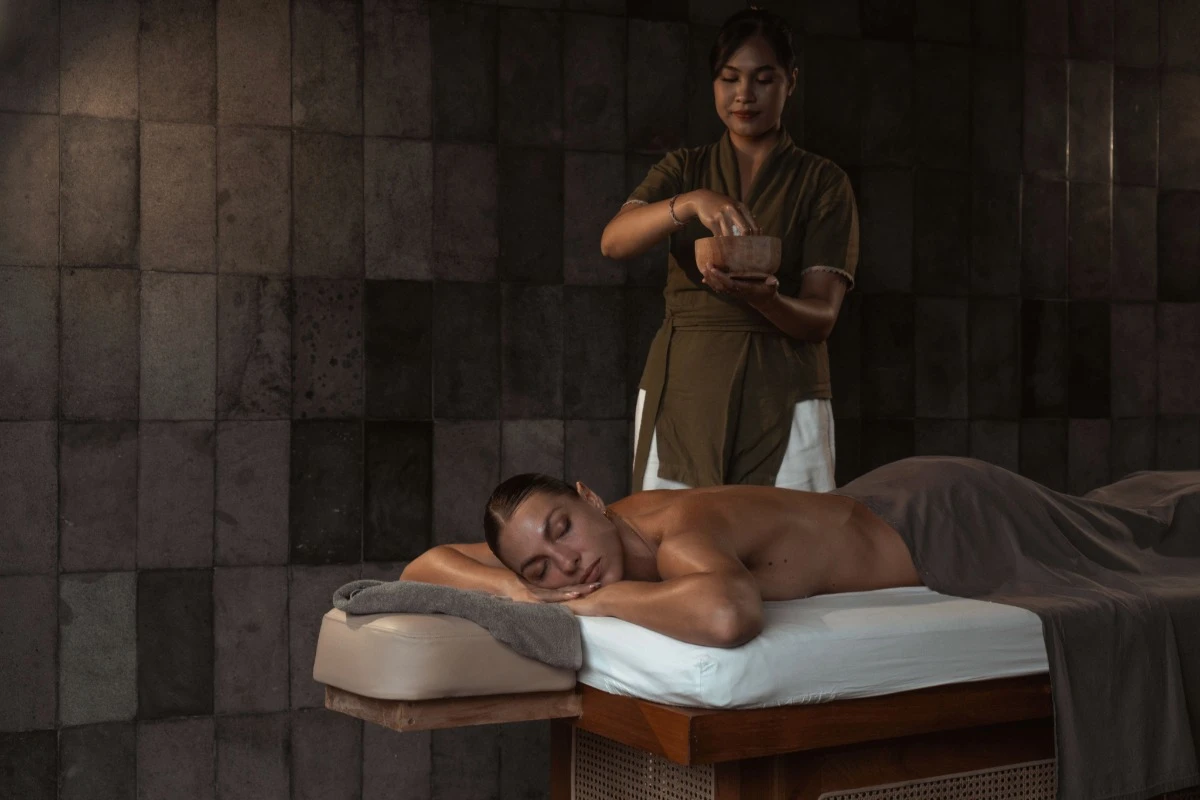
Another option, the Bali Hammana Signature Package, takes guests on a journey through three healing traditions at once, blending Moroccan, Balinese, and Indian practices into a single session. This package pairs a hammam ritual with Balinese massage and a soothing Shirodhara treatment, three traditions, one flowing ritual, and a single afternoon in Ubud you won’t want to rush.
Practical Guidance Before You Book
To get a session that feels genuinely calming and free of hassle, a few things are worth sorting out before booking, from the right time and duration to what to wear and how to care for yourself afterward.
Best Time of Day and Session Duration
One of the best times for a Shirodhara session is in the late afternoon, when the body naturally starts to slow down from the day’s activity. A single session typically runs between 45 and 90 minutes, depending on the package you choose.
What to Wear and Bring
Wearing comfortable, loose clothing makes the session easier and more relaxed, especially since you’ll change into spa attire provided on site. Avoid makeup or heavy skincare beforehand to keep the warm oil from mixing with residue around the forehead and hairline.
Bringing a hair tie is useful for keeping hair clear during the treatment. A change of clothes is also worth packing, as oil can sometimes linger even after rinsing off.
Caring for Your Hair and Skin Afterward
Shirodhara typically leaves a fair amount of oil residue in the hair, so at least one shampoo wash is recommended after the session to remove it thoroughly. A clarifying shampoo works more effectively than a regular one for lifting the oil completely.
Skin around the forehead may also feel oilier for a few hours after the session, and this is normal. Guests are generally advised to avoid heavy skincare that day, letting the oil absorb without interference.
Choosing Shirodhara as Part of Your Own Bali Wellness Journey
Choosing Shirodhara as part of your wellness journey in Bali is a mindful way to bring calm to both body and mind. If you’re ready to feel these benefits for yourself, book a session at Hammana Spa and experience it firsthand.