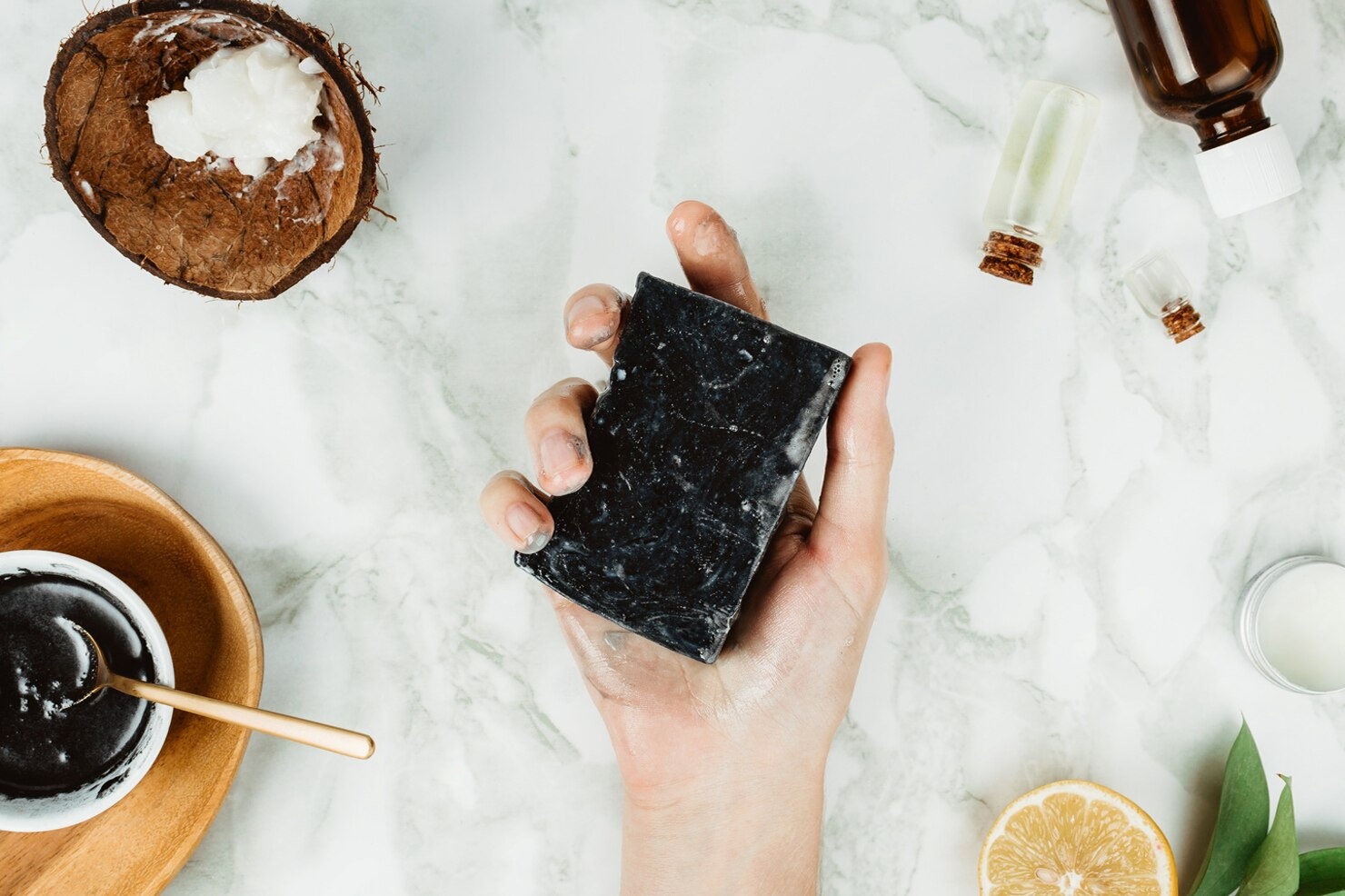
Black soap is a traditional cleansing product that plays an important role in the Moroccan hammam ritual. Also known as savon beldi, this natural, paste-like soap is usually made from olive oil and applied to warm, damp skin before being exfoliated with a special mitt called a kessa.
In this guide, you’ll learn what black soap is, how it works as part of a traditional hammam treatment, and the benefits it offers for your skin. We’ll also explain the difference between Moroccan black soap and African black soap, how to use it safely, and whether a full hammam experience or an at-home black soap routine is the better choice for you.
What Is Moroccan Black Soap?
Moroccan black soap, also known as Savon Beldi, is a traditional cleansing soap with a soft, paste-like texture rather than a solid bar. Made from saponified olive oil and crushed black olives, it usually has a dark green, brown, or black color and has been used in Morocco for centuries as part of traditional skincare rituals.
In a black soap hammam treatment, the soap is applied to warm, damp skin to soften it and prepare it for exfoliation. Instead of creating lots of foam, Moroccan black soap helps loosen dead skin cells, making them easier to remove with a special exfoliating glove called a kessa. The result is skin that feels smoother, softer, and deeply refreshed.
Is Moroccan Black Soap the Same as African Black Soap?
No, hammam black soap is different from African black soap. Although both are natural soaps with a dark color, they come from different regions and are made with different ingredients, giving them different uses and benefits.
Hammam black soap, also known as Moroccan black soap, is made from olive oil and crushed black olives. It has a soft, paste-like texture and is mainly used to soften the skin before exfoliation during a traditional hammam ritual.
African black soap, on the other hand, is a solid bar made from plant ash, cocoa pods, and natural oils. It is commonly used for deep cleansing and is especially popular for oily or acne-prone skin.
What Black Soap Actually Does for the Skin
One of the reasons Savon Beldi, or Moroccan black soap, has been used for centuries is because it does more than simply cleanse the skin. During a traditional hammam ritual, it helps soften the skin, making it easier to remove dead skin cells while leaving your skin feeling smoother and more hydrated.
Here are some of the main benefits of Beldi soap:
- Softens the Skin Before Exfoliation
The main purpose of Savon Beldi is to soften dead skin cells before exfoliation. The natural olive oil helps loosen rough, dry skin, making it much easier to remove with a kessa glove during a hammam treatment. - Helps Keep Skin Hydrated
Unlike many regular soaps that can leave your skin feeling dry or tight, Beldi soap is rich in olive oil, which helps lock in moisture. This makes it a good option for anyone looking for black soap for sensitive skin, as it cleanses gently while supporting the skin’s natural barrier. - Rich in Vitamin E and Antioxidants
Made with crushed black olives, Moroccan black soap naturally contains Vitamin E and antioxidants that help protect the skin from daily environmental stress. With regular use, it can also help improve dull-looking skin and support a healthier, more even complexion. - Deeply Cleanses the Skin
Another answer to what is black soap used for is deep cleansing. It helps remove excess oil, dirt, makeup residue, and impurities trapped inside the pores. Combined with exfoliation during a hammam ritual, it leaves the skin feeling cleaner, softer, and noticeably smoother.
Why Black Soap Is Central to the Hammam Ritual?
Without Savon Noir, also known as Moroccan black soap, a traditional hammam experience wouldn’t be complete. It plays an essential role in preparing the skin for exfoliation while creating one of the most relaxing and refreshing spa experiences.
- Softens the Skin with Warm Steam
The hammam begins in a warm steam room, where the heat naturally opens your pores. Once Savon Noir is applied, its olive oil-rich formula helps soften dead skin cells, making the skin ready for gentle exfoliation. - Prepares the Skin for Exfoliation
One of the key Moroccan black soap benefits is preparing the skin for exfoliation with a traditional kessa glove. The soap creates a smooth, moisturized surface, allowing dead skin to roll away easily without causing unnecessary irritation. This is one of the reasons it remains an essential part of authentic Moroccan spa treatments. - Supports Deep Cleansing and Relaxation
Beyond exfoliation, Moroccan black soap helps remove excess oil, dirt, and impurities from the skin. Combined with massage and steam, it leaves your skin feeling clean, soft, and refreshed while creating a calming ritual that relaxes both the body and mind.
This unique combination of cleansing and relaxation is what makes the hammam one of the world’s most memorable spa experiences.
What Happens During a Moroccan Hammam Ritual
The Moroccan hammam ancient ritual follows a series of relaxing steps designed to deeply cleanse, exfoliate, and nourish the skin. Here’s what you can expect during the experience.
- Relax in the Steam Room
The ritual begins in a warm steam room, where you’ll spend around 10–15 minutes letting your body relax. The heat helps open your pores, improve circulation, and prepare your skin for the treatments that follow. - Apply Savon Noir
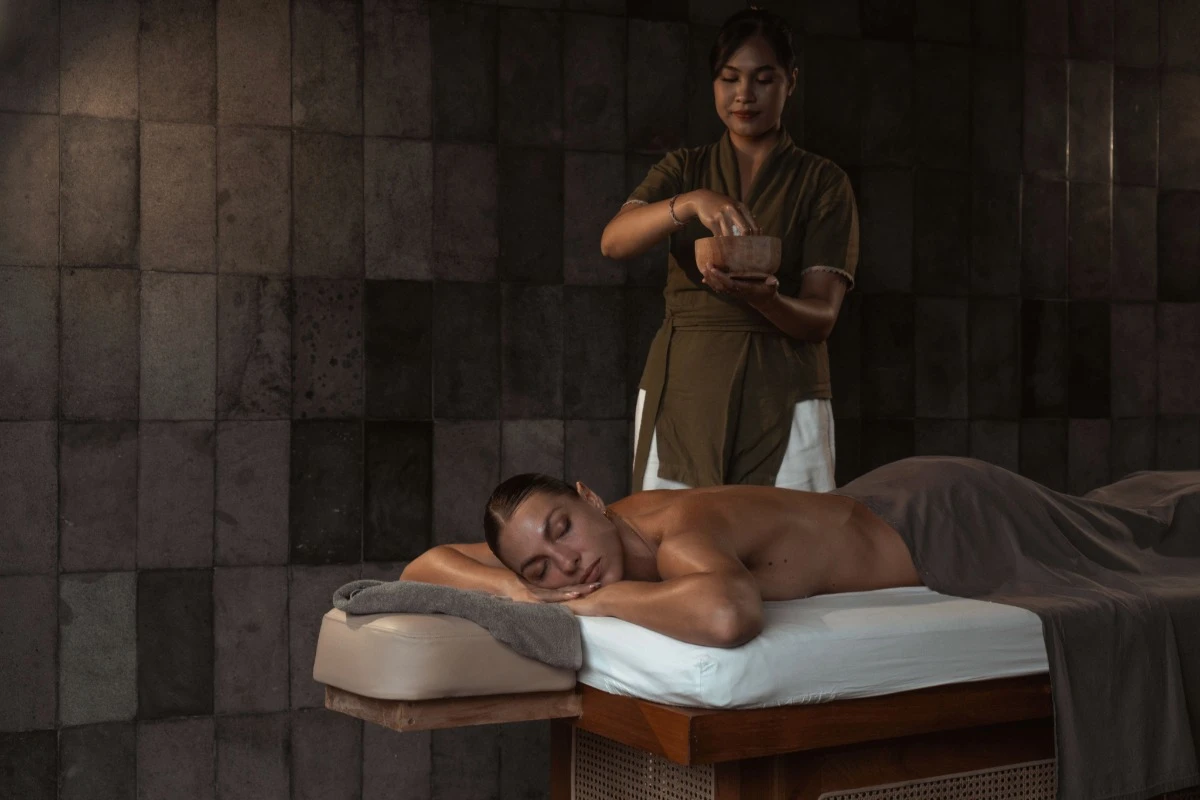
Once your skin is warm and damp, Savon Noir (Moroccan black soap) is gently massaged over your body from neck to toe. The soap is left on for about 5–10 minutes while the steam softens dead skin cells, then it’s rinsed away with warm water. - Exfoliation with a Kessa Glove
This is the signature step of the hammam ritual. A therapist uses a traditional kessa glove to exfoliate your skin, removing dead skin cells, dirt, and impurities. After the scrub, your skin feels noticeably smoother, softer, and refreshed. - Ghassoul Clay Mask
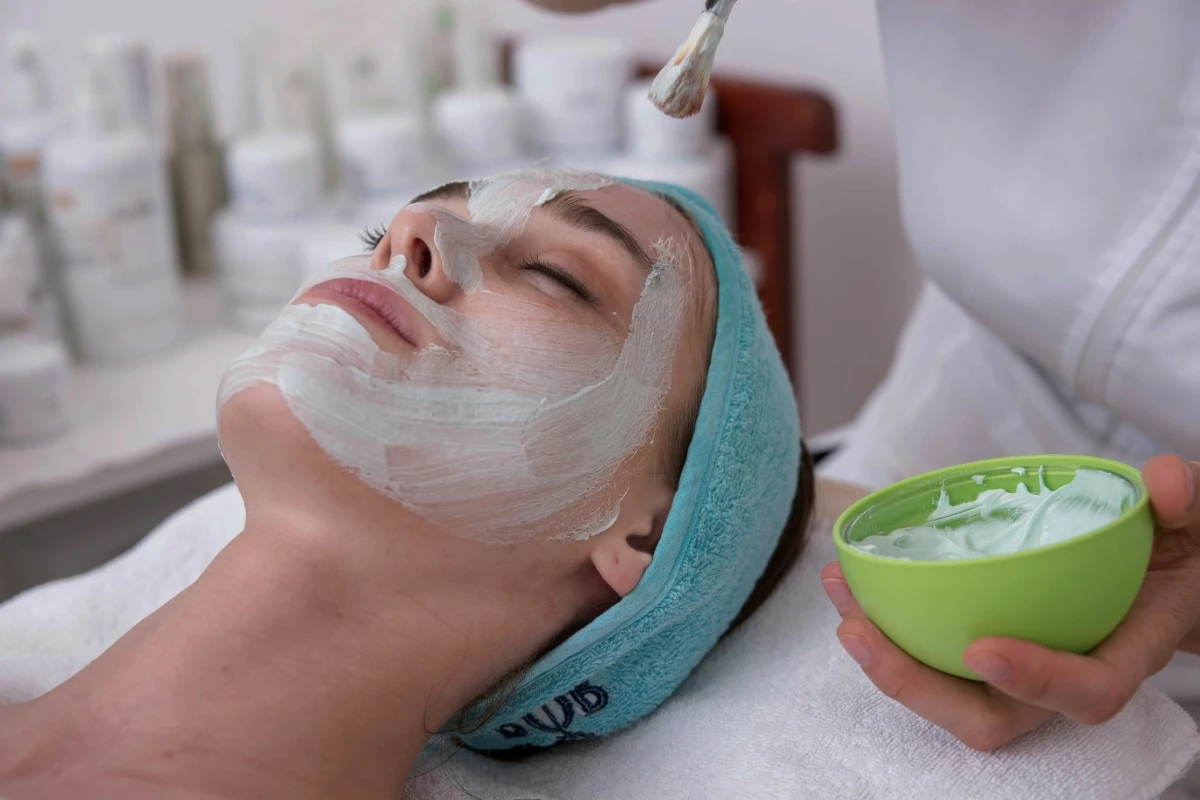
After exfoliation, your body, and sometimes your hair, is covered with Ghassoul clay, a natural mineral-rich clay from Morocco’s Atlas Mountains. The mask helps soothe the skin, absorb excess impurities, and replenish essential minerals before being rinsed off with cool water. - Argan Oil and Relaxation
The ritual ends with a light massage using pure argan oil to lock in moisture and leave the skin with a healthy glow. As you unwind, you’ll usually be served a warm glass of Moroccan mint tea, making the final moments of the experience just as relaxing as the treatment itself.
Is a Hammam Ritual Right for You?
A traditional hammam is one of the most relaxing luxury spa experiences, but it’s not the right choice for everyone. Here’s when it’s a great fit, and when you may want to skip it.
A Hammam Is a Great Choice If…
- You want deep exfoliation. If your skin feels rough, dull, or has a buildup of dead skin that regular body scrubs can’t remove, a hammam can leave your skin feeling noticeably smoother and refreshed.
- You enjoy heat and spa rituals. If you like steam rooms, body scrubs, and relaxing massages, the hammam offers a complete self-care experience that combines cleansing with relaxation.
- You’re looking for holistic wellness. Beyond skincare, the combination of steam, exfoliation, and massage helps ease muscle tension, improve circulation, and promote a deep sense of relaxation, making it a popular holistic wellness treatment.
A Hammam May Not Be Suitable If…
- You have very sensitive skin or eczema. The traditional kessa exfoliating glove can be too intense for delicate or irritated skin and may cause redness or discomfort.
- You don’t tolerate heat well. If you have asthma, heart conditions, low blood pressure, claustrophobia, or feel uncomfortable in steam rooms, it’s best to consult a healthcare professional before trying a hammam.
- You have sunburn. If you’ve recently spent too much time in the sun, especially after a beach day, wait until your skin has fully recovered before booking a hammam treatment.
- You prefer more privacy. During a traditional hammam, a therapist exfoliates your entire body while you wear minimal spa attire. If you’re not comfortable with this type of treatment, you may prefer other luxury spa experiences that offer a more private setting.
Choosing Between a Full Hammam Ritual and a Standalone Black Soap Treatment
Both options offer great skincare benefits, but the best choice depends on your budget, schedule, and the kind of experience you’re looking for.
Choose a Full Hammam Ritual
A full hammam is the best option if you want a complete spa experience with deeper exfoliation and total relaxation. The treatment usually includes steam therapy, Moroccan black soap, exfoliation with a kessa glove, a Ghassoul clay mask, and a relaxing argan oil massage.
Because the treatment is performed by a professional therapist, even hard-to-reach areas like your back are exfoliated thoroughly. The steam room also helps soften the skin, making the exfoliation more effective. A full hammam session typically takes around 1.5 to 2 hours and costs more than a regular spa treatment.
Choose a Black Soap Treatment at Home
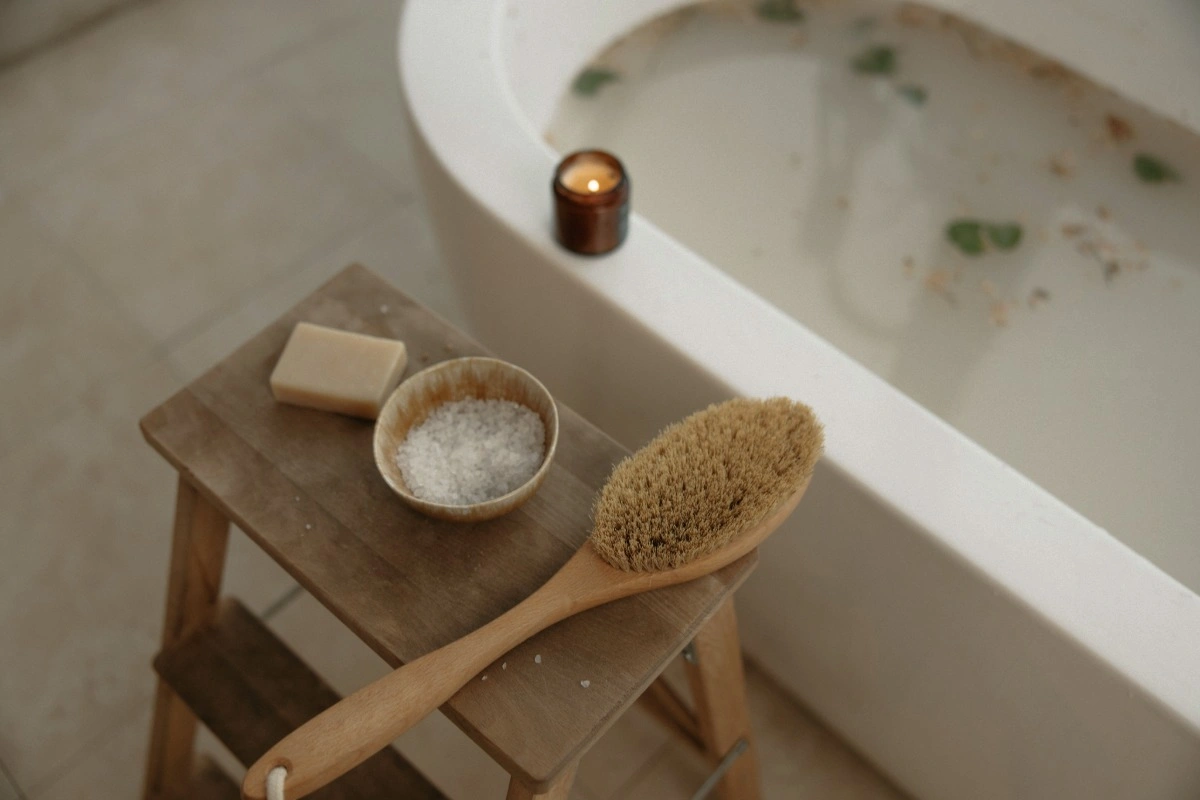
If you prefer something simple, affordable, and more private, using Moroccan black soap at home is a great alternative. All you need is Moroccan black soap and a kessa glove, which you can use after a warm shower.
This option is budget-friendly since one container of black soap can be used multiple times. You can also control how gently or firmly you exfoliate based on your skin’s needs. The routine only takes about 15–20 minutes and can easily become part of your weekly skincare routine, ideally once or twice a week.
How to Prepare for a Hammam Treatment in Bali
A little preparation before your hammam session can help you get the best results while keeping your skin comfortable and protected.
- Avoid Waxing or Shaving
Try not to shave or wax for at least two days before your treatment. Freshly shaved or waxed skin can become irritated during the exfoliation, especially when the kessa glove is used.
- Skip Lotions and Perfume
Arrive with clean skin and avoid applying lotion, body oil, or perfume beforehand. This allows the Moroccan black soap to work more effectively and prepare your skin for exfoliation.
- Don’t Go If You Have Sunburn
If you’ve recently spent time in the sun and your skin is sunburned, it’s best to postpone your hammam. The combination of hot steam and exfoliation can make sunburned skin feel more painful and may slow the healing process.
- Stay Hydrated and Arrive Early
Drink plenty of water before your appointment, as you’ll sweat during the steam session. Arriving about 15 minutes early also gives you time to relax and settle in before the treatment begins.
What to Expect Before, During, and After Your Session
If it’s your first time trying a hammam, here’s a simple overview of what happens before, during, and after the treatment.
Before the Session
- Consultation and Changing
Your visit usually begins with a short health consultation. After that, you’ll change into disposable underwear provided by the spa before the treatment starts. - Relax in the Steam Room
Next, you’ll enter a warm, humid steam room and spend around 10–15 minutes relaxing. The heat helps open your pores, loosen your muscles, and prepare your skin for exfoliation.
During the Session
- Moroccan Black Soap Application
The therapist will apply a layer of Moroccan black soap over your damp skin. The soap has a smooth, paste-like texture and is left on for a few minutes to soften dead skin cells. - Exfoliation with a Kessa Glove
After the soap is rinsed away, the therapist will exfoliate your skin using a traditional kessa glove. As the treatment continues, you’ll likely see dead skin and impurities rolling away from your body, a normal part of the process. - How It Feels
You may notice a mild tingling sensation, especially on more sensitive areas of the body. If the exfoliation feels too strong, simply let your therapist know so they can adjust the pressure.
After the Session
- Soft, Smooth Skin
Once the treatment is finished, your skin will feel noticeably smoother, softer, and deeply cleansed. It’s also normal for your skin to appear slightly pink for a short time because of the improved circulation. - Time to Relax
After the hammam, you’ll usually be invited to a relaxation area where you can cool down while enjoying herbal tea or warm mineral water. - Keep Your Skin Hydrated
To finish the treatment, most therapists apply argan oil or a gentle moisturizer to lock in hydration. Over the next few days, continue using moisturizer and sunscreen, especially if you’ll be spending time outdoors under the Bali sun.
Bringing the Ritual Into the Rest of Your Bali Wellness Journey
Black soap is much more than a traditional cleanser, it’s the foundation of an authentic Moroccan hammam, helping to deeply cleanse, exfoliate, and nourish the skin while creating a relaxing wellness experience. If you’re looking to enjoy this ritual in Bali, Hammana Spa at Equipoise Resort is one of the best places to experience an authentic hammam, combining traditional Moroccan techniques with a refined spa setting for a truly memorable treatment.
Ready to experience the benefits of black soap for yourself? Book your hammam ritual at Hammana Spa and enjoy a luxurious journey of deep cleansing, relaxation, and holistic wellness in the peaceful surroundings of Ubud.