Spa treatments for dry skin can help improve comfort and make the skin feel smoother. However, the results depend on your skin condition, especially if your skin is sensitive and needs gentle care. Proper hydration and a consistent skincare routine are essential, while facials, body scrubs, hammam treatments, and oil massages can help improve skin comfort and texture.
This article will help you compare different dry skin treatment options and choose the most suitable one based on your skin’s dryness level. You will also learn about the risks of heat and exfoliation, proper skincare after treatment, and when dry, cracked, or irritated skin requires professional care from a dermatologist.
What a Spa Can and Cannot Do for Dry Skin
Spa treatments can help dry skin feel more hydrated, softer, and more comfortable, although the results are usually temporary. Moisturizing products and gentle massages can improve skin comfort, especially when combined with a consistent skincare routine at home. Dermatologists also recommend regular moisturizing as an essential part of managing dry skin.
However, a dry skin treatment at a spa cannot cure underlying conditions such as eczema, psoriasis, or thyroid disorders, and it should not replace medical care. Excessive heat and exfoliation may also worsen dryness or irritation, so it is important to inform your therapist about your skin condition before starting any treatment.
The Dermatologist Baseline Every Treatment Is Judged Against
According to the American Academy of Dermatology, effective dry skin care starts with consistent skincare habits at home, even when receiving spa treatments. These three steps can help maintain skin hydration and support the results of a hydrating facial or other moisturizing treatments.
1. Use Warm Water and Keep Showers Short
Choose lukewarm water instead of hot water, and avoid long baths or showers, as prolonged exposure can remove the skin’s natural oils. For sensitive skin or eczema, limit bathing to around 5 to 15 minutes and gently pat your skin dry afterward. The same caution applies when using a steam room, as prolonged heat may worsen dryness.
2. Apply Moisturizer Within Minutes
Apply a fragrance-free moisturizer immediately after bathing while your skin is still slightly damp to help retain moisture. Dermatologists also recommend moisturizing several times throughout the day, using gentle motions to avoid irritating the skin.
3. Choose Creams or Ointments Instead of Lotions
Thicker creams and ointments are generally better for dry skin because they help retain moisture more effectively than lighter lotions. Choose products without added fragrance or irritating alcohols, especially when looking for the best facial for dry skin, as the products used during treatment can affect skin comfort.
Body Scrub, Hammam, Facial or Massage: How They Compare for Dry Skin
According to Healthline, these four spa treatments have different levels of risk for dry skin. Treatments involving heat and exfoliation may increase dryness or irritation, while those focused on moisturizing are generally gentler and more suitable for sensitive skin.
1. Body Scrubs
Body scrubs help remove dead skin cells and improve skin texture, making the skin feel smoother. However, excessive exfoliation for dry skin can cause irritation and worsen dryness. Choose a gentle scrub if you have dry or sensitive skin, and avoid areas with cracks, wounds, or inflammation.
2. Hammam (Turkish and Maghrebi)
A hammam spa in Bali offers a traditional steam bathing experience that may help some people feel relaxed and comfortable. However, heat, sweating, and vigorous scrubbing can irritate dry or sensitive skin. Since research on hammam treatments is limited, people with eczema or highly sensitive skin should consult a doctor first and apply moisturizer immediately after the session.
3. Facials
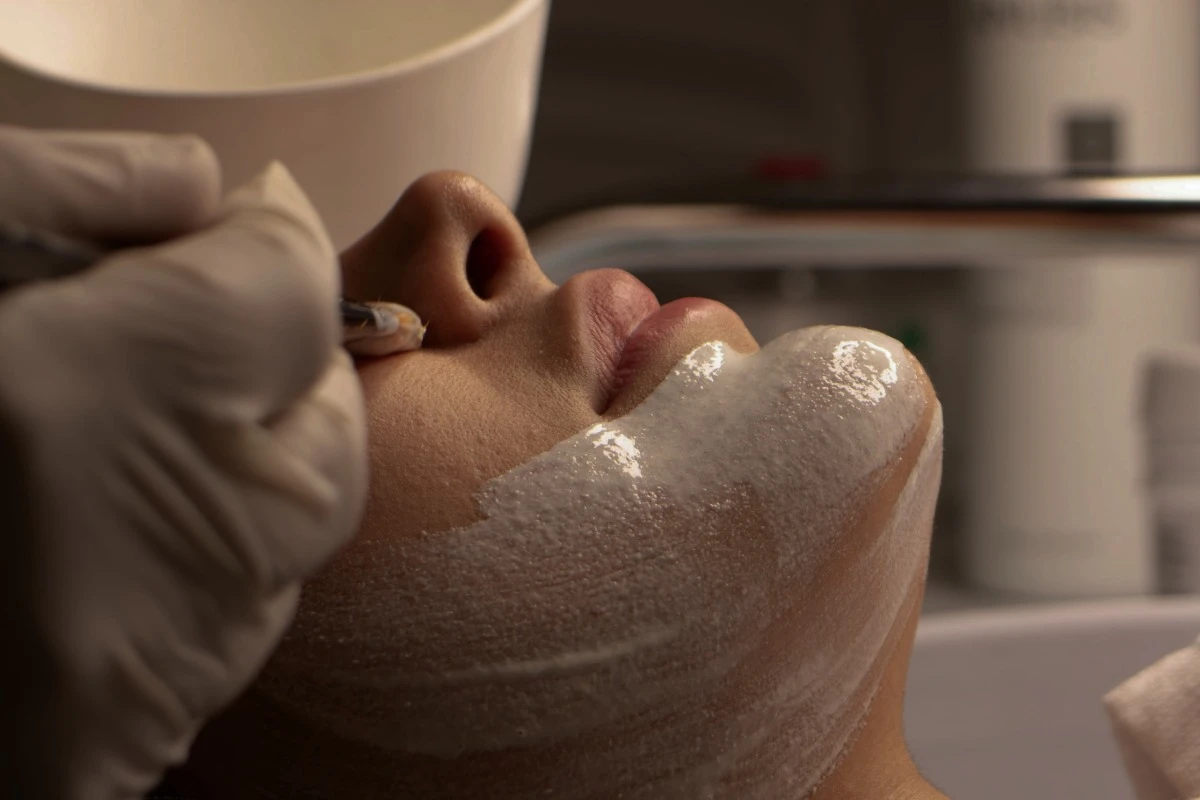
A hydrating facial for dry skin often uses moisturizing ingredients such as hyaluronic acid to help reduce roughness and flakiness. This treatment may also support a smoother appearance and glowing skin without aggressive exfoliation. However, avoid harsh extractions or scrubs, and consult a dermatologist beforehand if you have eczema or rosacea.
4. Oil Massage
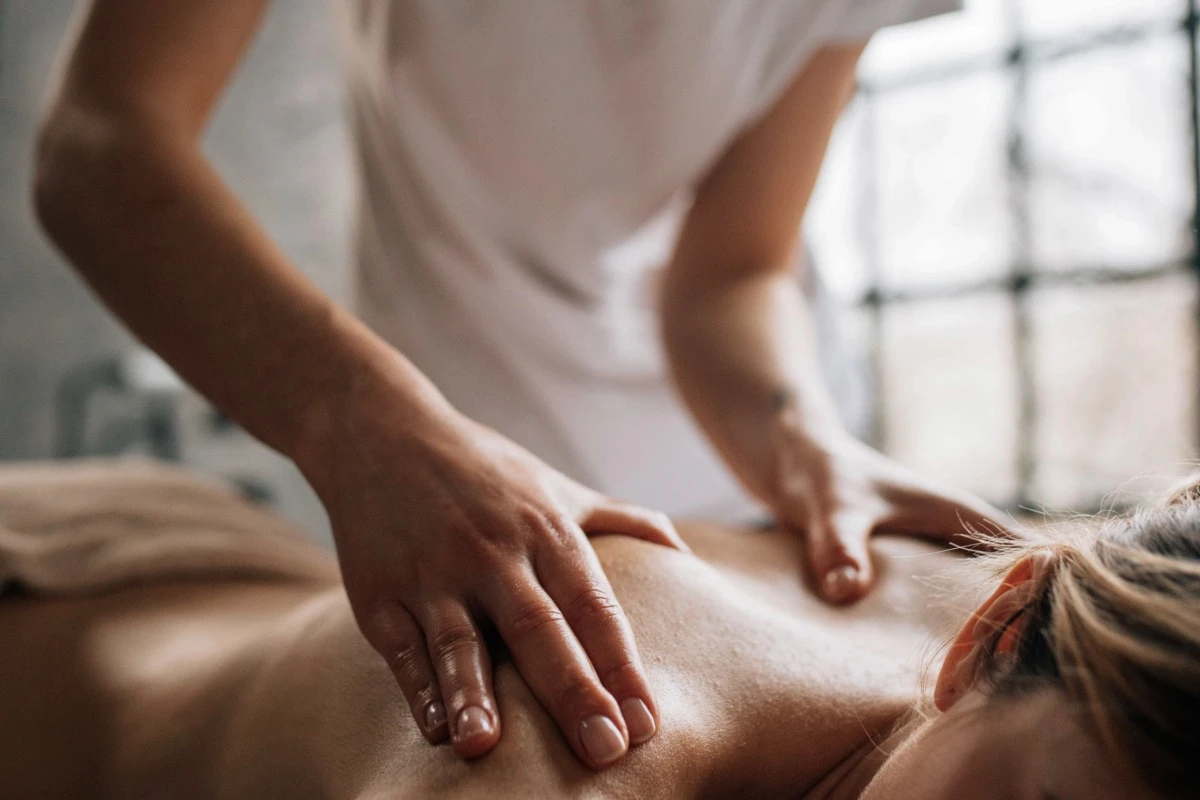
An oil massage can be a comfortable option when looking for the best dry skin treatment at a spa. Natural oils such as argan oil and virgin coconut oil help soften the skin and retain moisture, while gentle massage helps spread the oil evenly. Choose plain, fragrance-free products to reduce the risk of irritation, and inform your therapist about any allergies.
For longer-lasting results, combine spa treatments with regular moisturizing and a consistent dry skin treatment at-home routine.
Dry Skin Treatment at Hammana Spa Ubud
Located in Tegallalang, Hammana Spa Ubud combines traditional Balinese massage rituals with Turkish hammam experiences. Each session begins with a Wariga reading, a traditional Balinese practice used to personalize the treatment based on individual needs.
While this hammam spa in Ubud focuses on relaxation, guests with dry skin should choose gentle treatments and inform their therapist about their skin condition beforehand.
A traditional Balinese massage and wellness treatment can be a comfortable option, as it uses organic essential oils to help soften the skin. However, guests with sensitive skin or fragrance allergies should ask if plain, unscented oils are available.
The Boreh ritual uses a warm herbal paste, so those with dry, itchy, or easily irritated skin should check whether it is suitable before booking. Guests looking for a moisturizing facial or another treatment for dehydrated skin should also consult the spa about available options that match their skin needs.
Matching a Treatment to Your Level of Dryness
The degree of dryness determines what constitutes safe care. This classification is merely a general guide, not a diagnosis.
| Level | Signs | Reasonable options | Best avoided |
| Mild | Skin feels tight, rough, or slightly flaky | Hydrating facial, gentle oil massage | Harsh scrubs, excessive heat |
| Moderate | Scaly, itchy, or looking dull | Fragrance-free oil massage, soothing facial, short sessions | Scrubs, long hammam sessions, hot steam |
| Severe | Cracked, red, open sores, or itching that disrupts sleep | See a dermatologist first | Spa treatments until the skin has been checked |
Source: Mayo Clinic and American Academy of Dermatology
When to Skip the Spa and See a Doctor
Spa treatments are not always suitable for every skin condition. If you experience any of the following symptoms, consult a dermatologist before booking a skin hydration treatment or other spa services.
- Persistent dryness: Your skin remains dry or continues to worsen despite regular moisturizing and home care.
- Cracked or infected skin: You notice open wounds, deep cracks, or signs of infection, such as pus.
- Severe irritation: Large areas of your skin become red, scaly, or peeling, or itching becomes severe enough to disturb your sleep.
- Existing skin conditions: If you have eczema, psoriasis, or rosacea, consult your doctor before trying a facial treatment, body scrub, or hammam session.
- Side effects of cancer treatment: Your skin becomes unusually dry or thickened due to cancer therapy.
Aftercare for the First 72 Hours
Proper skincare during the first three days after a spa treatment can help maintain moisture and reduce the risk of irritation. Understanding how to hydrate dry skin is important for keeping your skin comfortable after treatment.
- Moisturize regularly: Apply a fragrance-free moisturizer while your skin is still slightly damp after bathing. Reapply throughout the day to maintain hydration.
- Use lukewarm water: Avoid hot showers and keep bathing time short. Gently pat your skin dry instead of rubbing it.
- Avoid exfoliation and heat: Skip body scrubs, saunas, steam rooms, and hot baths to prevent further dryness or irritation.
- Protect your skin from the sun: Limit direct sun exposure, as UV rays may worsen skin dryness and sensitivity after treatment.
- Avoid irritating products: Choose skincare products without added fragrance or harsh alcohols, as these ingredients may irritate dry skin.
If redness, itching, or stinging becomes worse after treatment, stop using any products or treatments that may be irritating and consult a dermatologist.
Dry Skin Spa Questions, Answered
1. Can spa treatments cure dry skin?
No. Spa treatments for dry skin can help improve skin comfort and texture, but they cannot treat underlying conditions such as eczema or psoriasis. If your skin remains dry despite regular home care, consult a dermatologist.
2. Are body scrubs safe for dry skin?
Yes, as long as the scrub is gentle and not used too often. Excessive exfoliation can cause irritation, so avoid scrubbing areas with cracks, wounds, or inflammation.
3. Is a hammam suitable for dry skin?
It depends on your skin condition. Humid steam may feel soothing, but heat and sweating can cause irritation for some people. Since research on hammam treatments is limited, keep sessions short and apply moisturizer afterward.
4. How often should I get a facial?
For dry or sensitive skin, getting a dry skin facial every six to eight weeks is generally enough. Choose treatments that focus on hydration and avoid harsh exfoliation or extractions.
5. Which oils are suitable for massage?
Sunflower oil and virgin coconut oil can help soften the skin and retain moisture. Choose fragrance-free oils, as added scents and essential oils may trigger allergic reactions in sensitive skin.
6. Can I visit a spa if I have eczema, psoriasis, or rosacea?
Consult your dermatologist before booking any treatment for dry skin, especially facials, body scrubs, or hammam sessions. Inform your therapist about your skin condition and any allergies before starting the treatment.
Planning Skin-Friendly Spa Days for the Rest of Your Trip
Choosing the right dry skin treatment during your Bali trip can help maintain skin comfort and hydration. Focus on gentle treatments that suit your skin condition, and avoid excessive heat or exfoliation. Regular moisturizing and proper aftercare are also important for keeping your skin healthy throughout your holiday.
If you are looking for a spa in Ubud, Hammana Spa Ubud offers a combination of traditional Balinese massage and Turkish hammam experiences in Tegallalang. Inform your therapist about your skin condition to help select a suitable treatment. Book your session at Hammana Spa Ubud and enjoy a relaxing wellness experience during your Bali getaway.