Muscle recovery is often associated with medical care, yet spa rituals have long been embraced as a natural way to help the body rest and restore. Beyond being a place to unwind, these sanctuaries are known to ease stiffness and bring a deeper sense of relaxation.
From heat therapy to massage, various wellness techniques are widely enjoyed for their soothing effects on aching limbs. This article explores several treatments worth trying when you’re looking to release everyday tension and feel more refreshed.
What Muscle Recovery Really Needs, and Where a Spa Fits
After engaging in strenuous activities or high-intensity exercise, muscle fibers may experience microscopic damage, which can lead to stiffness, soreness, and discomfort. To help the muscles recover and gradually ease this tension, the body needs three essential elements: proper macronutrient intake, adequate hydration, and quality rest.
These principles are supported by research on post-exercise recovery through the 4Rs Framework, which emphasizes the importance of rehydration, refueling, repairing, and resting to support the body’s natural recovery process.
Meanwhile, spa treatments, particularly massage therapy, can serve as a complementary recovery approach, supporting physical comfort and mental relaxation alongside these essential recovery needs.
Massage therapy may support recovery in several ways. Through gentle pressure and targeted techniques, it can help relieve muscle tension, ease areas of tightness commonly known as muscle knots, and promote a greater sense of relaxation. Research also suggests that massage can help reduce delayed-onset muscle soreness (DOMS), the discomfort often experienced after intense physical activity.
Beyond physical relief, the calming experience of a spa treatment may help reduce perceived stress, encourage relaxation, and improve overall well-being. While massage does not replace proper nutrition, hydration, or rest, it can be a valuable addition to a balanced recovery routine, helping the body feel more comfortable and restored.
Heat Rituals That Ease Tight Muscles
Among the many spa treatments available, one that may help relieve muscle soreness is a heat ritual. It is a structured heat therapy practice that combines warmth with sensory elements, breathing techniques, and cooling methods to support physical recovery and calm the mind.
Here are some heat rituals that may help relieve tight muscles and promote relaxation.
Steam Before or After Activity
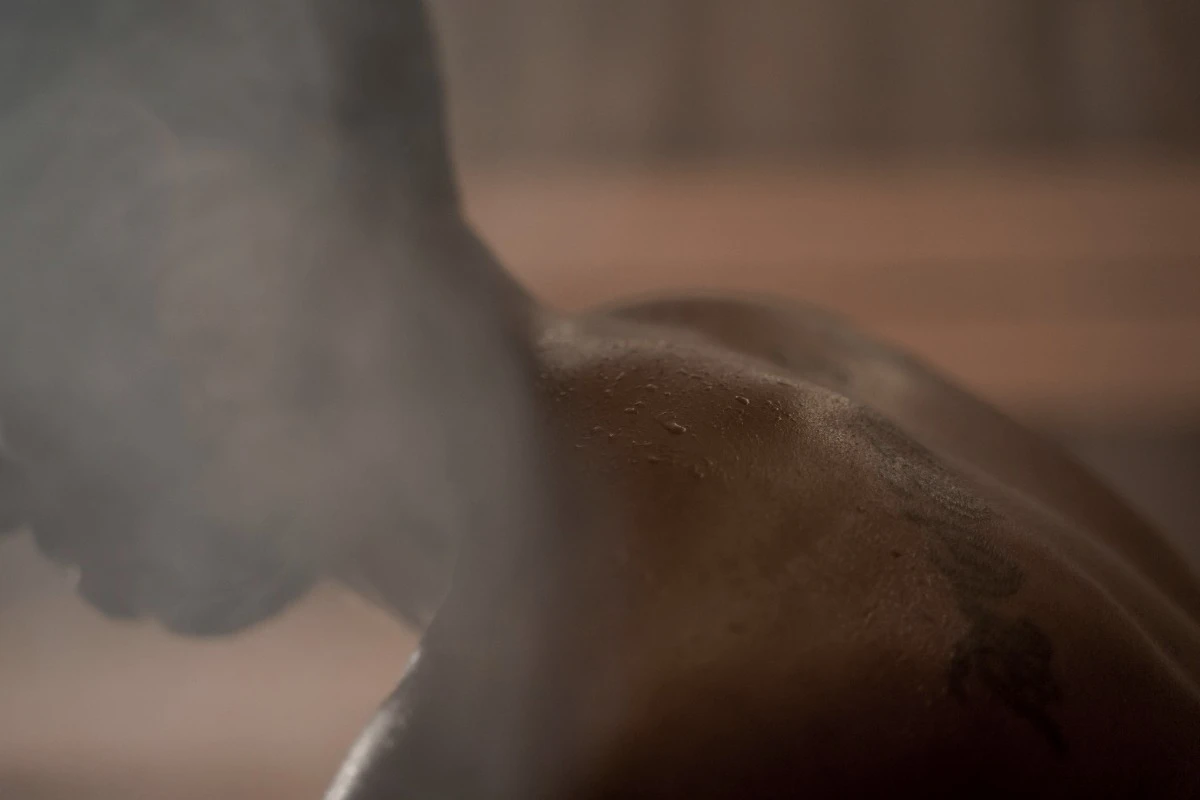
In spa treatments, steam therapy is often used at the beginning or end of a session. It can be enjoyed as a facial steam or a full-body experience in a steam room, especially after physical activities such as exercise.
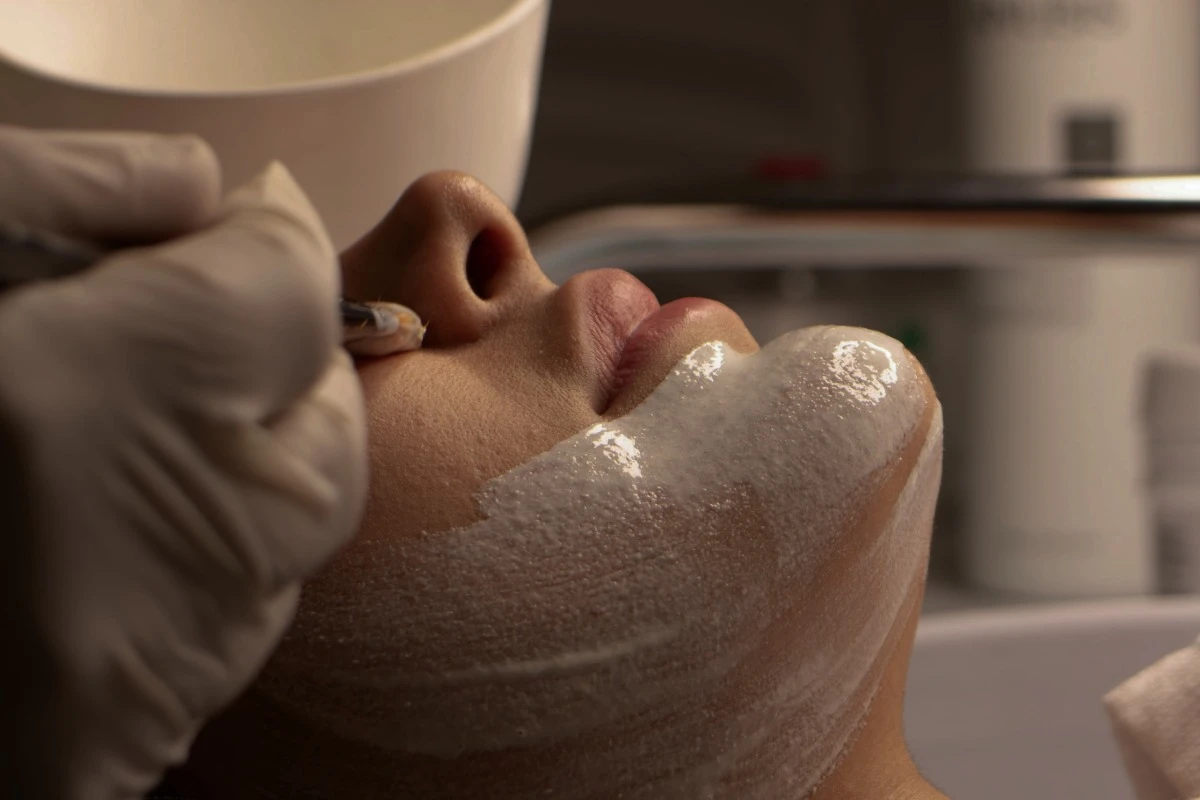
This ritual helps prepare the skin and relax the body. When used before a spa treatment, the warmth and moisture can help soften the skin and loosen surface impurities, making it easier to cleanse.
After a treatment or physical activity, steam therapy may help ease muscle tension, soothe the body, and promote relaxation. The warmth can also temporarily soften the skin, preparing it for the application of skincare products.
Warm Mineral Soaks
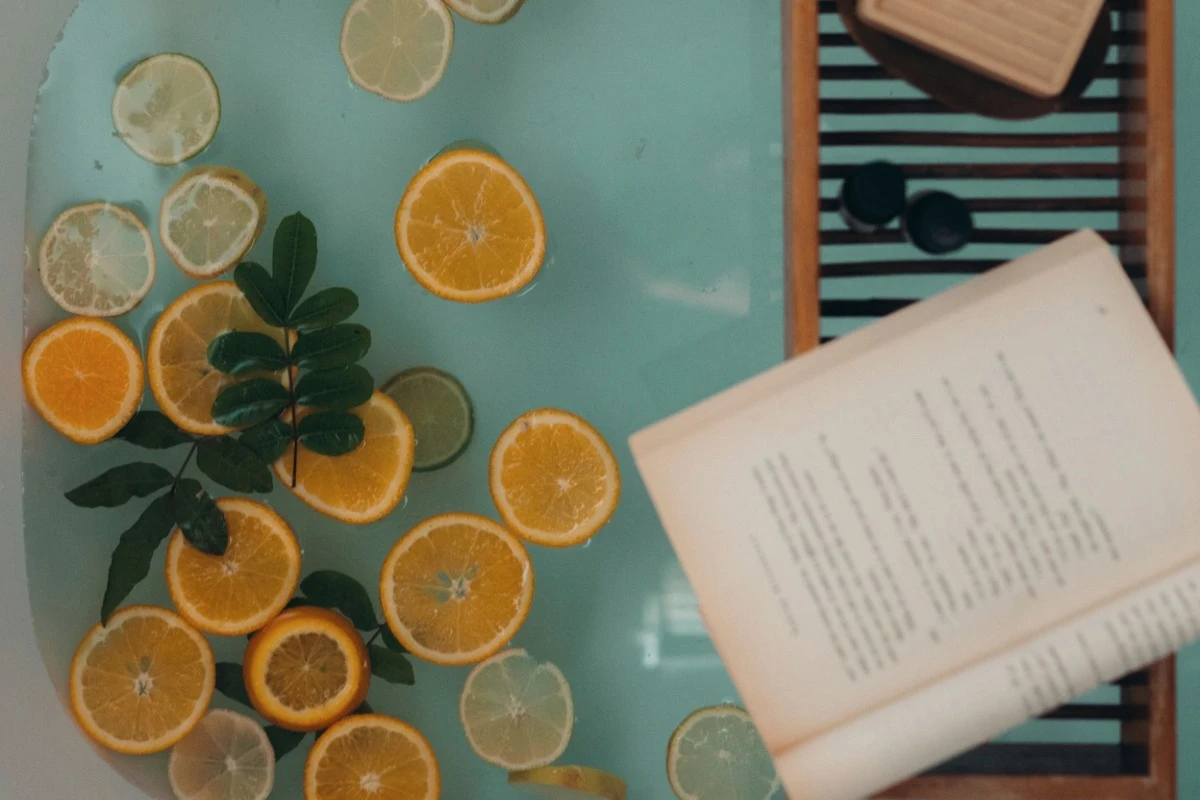
Warm mineral soaks are a type of therapy that involves soaking the body in warm, mineral-rich water containing minerals such as sulfur, magnesium, calcium, and potassium. The water may come from natural hot springs or be prepared with special mineral bath salts.
The gentle warmth of the water can help the body relax, ease stiffness, and provide comfort to the muscles and joints. According to a study published in the journal Medicine, bathing in thermal mineral water may help reduce pain, improve joint function, and enhance quality of life in people with osteoarthritis.
Another review published in Rheumatology International also suggests that mineral water therapy may help relieve joint discomfort. As part of a spa treatment, warm mineral soaks can be a soothing way to help the body rest, ease muscle tension, and promote relaxation after strenuous physical activities.
Herbal Boreh Warmth
Indonesia also has its own traditional heat therapy using natural herbal ingredients. In Bali, this practice is known as Boreh, a traditional Balinese herbal paste made from a blend of spices and applied to the body to create a natural warming sensation. It has long been used in Balinese wellness traditions to help ease body aches, relieve muscle tension, and support overall well-being.
According to a study published in Balale’ Journal of Anthropology, there are three types of Boreh ritual commonly used in Bali: Boreh Anget, a warming herbal paste; Boreh Miyik, made from flowers; and Boreh Tis, made from fruits and vegetables.
Each type serves a different purpose, including skincare, relaxation, and traditional body care. Among them, Boreh Anget is commonly used by the Balinese to warm the body and help relieve muscle aches, joint and bone discomfort, headaches, and other physical complaints. It is also traditionally believed to support blood circulation and maintain overall body wellness.
As part of a spa treatment, Boreh offers a comforting way to ease muscle tightness, promote relaxation, and experience Bali’s traditional approach to natural wellness.
Massage Rituals for Tired Muscles
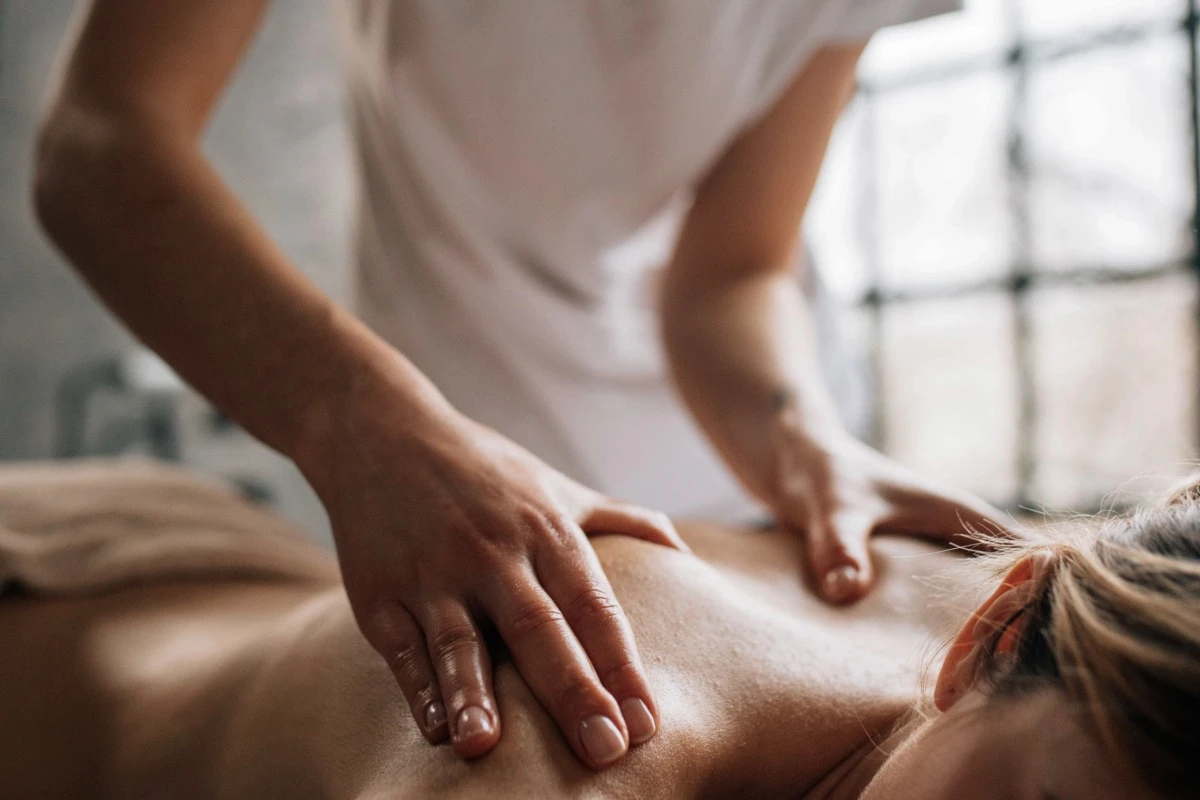
Besides heat rituals, massage is also one of the most common spa treatments used to relieve tired and sore muscles. It involves a series of massage techniques designed to ease muscle tension, reduce discomfort, and support the body’s natural recovery process after intense physical activity or stress.
According to a study published in Frontiers in Physiology, massage therapy may help reduce delayed-onset muscle soreness (DOMS) after strenuous exercise. Another scientific review on post-exercise recovery also found that massage can be particularly helpful in reducing muscle soreness and feelings of fatigue.
There are several massage techniques commonly used to help relieve muscle tension and discomfort, including:
- Deep Tissue Massage: A massage technique that uses firm, focused pressure to target deeper layers of muscles and connective tissue. It may help relieve persistent muscle tension, stiffness, and tightness.
- Hot Stone Massage: A technique that uses smooth, heated stones, usually placed on specific areas of the body or used during massage. The gentle warmth helps relax tense muscles and provides a soothing sensation without requiring excessive pressure.
- Balinese Massage: A traditional Balinese massage technique that combines rhythmic movements, thumb pressure, kneading, and skin rolling. These techniques help ease muscle tension, encourage relaxation, and provide a calming experience for the body and mind.
- Swedish Massage: A gentle massage technique that uses long, flowing strokes and light kneading movements. It helps relax tired muscles, ease mild stiffness, and promote overall relaxation, making it a comfortable option after a long day of physical activity.
Beyond these techniques, many other types of massage are available, each offering different approaches to relaxation and muscle comfort. The most suitable treatment usually depends on your body’s condition, personal preferences, and the level of muscle tension or discomfort you experience.
Warm and Cool Contrast Ideas
Muscle soreness and stiffness can be relieved not only through massage and heat therapy, but also by combining warm and cool temperatures. This practice is commonly known as contrast therapy, which involves alternating between warm and cold water to help the body recover after physical activity.
According to a study published in PLOS ONE, contrast water therapy may help reduce muscle soreness after exercise compared to passive rest without any specific recovery treatment.
In spa treatments, this therapy is commonly performed by alternating between warm and cool showers or soaking in pools with different water temperatures. It can also involve enjoying a sauna session followed by a cool shower, helping the body feel refreshed, relaxed, and more comfortable after strenuous activities.
A Recovery Sequence for Your Kind of Activity
Every physical activity has a different level of intensity, which means your muscle recovery needs may also vary. Choosing the right spa treatments based on your activities can help your body feel more relaxed and comfortable. If you’re looking for a suitable spa recovery sequence, here are some recommendations:
- Light Activities (Walking & Yoga): After light physical activities, you can start with a simple ritual such as warm mineral soaks to help your body relax, followed by a gentle massage to ease muscle tension.
- Moderate Activities (Cycling & Swimming): You can choose steam therapy to enjoy soothing warmth and relaxation, followed by a Balinese massage or another suitable massage technique to help relieve tired and sore muscles.
- Intense Activities (Gym, Running & Hiking): You can try contrast therapy to help reduce muscle soreness after exercise, followed by a massage with light to moderate pressure, depending on your body’s condition and comfort level.
- Daily Fatigue & Stress: You can choose traditional Balinese Boreh or hot stone massage to help ease muscle tension while enjoying a comforting warmth that relaxes the body and calms the mind.
Habits Around the Spa That Help Recovery Last
To make the relaxing benefits of your spa treatment last longer, you should not rely on the treatment alone. Your daily habits also play an important role in helping your body recover and maintaining that refreshed feeling. Here are a few simple things you can do to get the most out of your spa experience.
Immediate Post-Spa Habits
- Stay Hydrated: Drink enough water to keep your body hydrated and support normal kidney function, especially after treatments involving heat or sweating.
- Avoid Intense Workouts: Give your muscles time to rest and avoid strenuous physical activities immediately after your spa treatment.
- Keep Your Skin Clean: Avoid heavy makeup or unnecessary skincare products if your skin feels sensitive after a facial or body treatment.
- Wait Before Showering: If your treatment involves nourishing oils or body products, consider leaving them on your skin for a while, following your therapist’s recommendations.
Evening Habits (Day of Treatment)
- Eat Light Before Your Treatment: Have a light meal or snack before your spa session and avoid heavy meals that may leave you feeling uncomfortable.
- Limit Alcohol and Caffeine: Avoid alcohol and consider limiting caffeine before your treatment, especially if your goal is to relax and enjoy a restful evening.
- Get Quality Sleep: Try to go to bed a little earlier after your treatment to allow your body to rest and support its natural recovery process.
Who Should Take Extra Care With Heat, Cold, or Pressure
Although spa treatments such as heat therapy and massage are designed to help the body relax and ease muscle tension, certain health conditions may require extra care. In some cases, it is better to avoid these treatments or consult a doctor before trying them. Here are some conditions that need special attention:
- Pregnant Women: Excessive heat should be avoided during pregnancy. If you want to enjoy a massage, choose a prenatal massage performed by a professionally trained and qualified therapist.
- People with Heart or Blood Pressure Conditions: If you have heart problems or uncontrolled blood pressure, consult your doctor before trying treatments such as saunas, cold plunges, or contrast therapy.
- People with Sensitive Skin: Skin conditions such as open wounds, irritation, or sensitive skin may react poorly to extreme temperatures or certain herbal ingredients, potentially causing discomfort or further irritation.
- People with Circulation or Nerve Problems: Poor circulation or reduced sensitivity to temperature can increase the risk of injury during heat or cold therapy. It is best to consult a healthcare professional before trying these treatments.
Always inform your spa therapist about any health conditions or concerns before starting a treatment. This helps ensure that the temperature, massage pressure, and treatment techniques are suitable for your body’s needs.
Muscle Recovery FAQs
What Is the Fastest Way for Muscle Recovery?
One of the most effective ways to support muscle recovery is by combining proper post-workout nutrition, light active movement, and suitable recovery treatments. These habits help restore energy, support muscle tissue repair, and reduce stiffness after intense physical activity.
How Long Should I Stay in a Hot Tub for Muscle Recovery?
For muscle recovery, soaking in a hot tub for around 10–15 minutes can be a comfortable starting point. The warm water may help relax tense muscles, ease stiffness, and provide a soothing sensation after physical activity. Make sure the water is not too hot, stay hydrated, and leave the tub if you feel dizzy or uncomfortable.
Is a Sauna Good for Muscle Recovery?
Yes, a sauna may help relax tired muscles, ease stiffness, and promote overall relaxation after exercise. The heat increases skin blood flow and encourages sweating, creating a warming sensation that can help the body feel more comfortable. However, its ability to speed up muscle tissue repair is not yet well established. Allow your body to cool down and rehydrate before entering a sauna.
Are Massages Good for Muscle Recovery?
Yes, massage therapy can help reduce muscle soreness, relieve tension, and promote relaxation after physical activity. According to a study published in Frontiers in Physiology, massage may help reduce delayed-onset muscle soreness (DOMS) after strenuous exercise. Choosing the right massage technique and pressure based on your body’s condition can make the experience more comfortable.
Is a Hot Bath Good for Muscle Recovery?
Yes, a warm bath may help ease muscle stiffness, reduce feelings of tension, and promote relaxation after a long day of physical activity. The warmth can provide temporary relief from discomfort, making it a simple addition to your recovery routine. However, a hot bath does not necessarily accelerate the healing of damaged muscle fibers.
Building a Recovery Rhythm You Can Return To
Experiencing muscle soreness, whether from intense physical activity or other causes, can be uncomfortable. Spa treatments can be one way to help ease this discomfort, relieve muscle tension, and promote relaxation.
If you’re looking for muscle recovery and relaxation, don’t forget to add Hammana Spa Ubud to your must-visit list. With a variety of spa rituals designed to help ease muscle soreness, surrounded by the calming atmosphere of Ubud, you can leave your discomfort behind and enjoy a relaxing moment in a peaceful setting.