Steam therapy is a wellness treatment that uses warm steam to help the body relax before other spa treatments. It is commonly included in wellness spas, hammam rituals, and massage sessions to loosen tight muscles, soften the skin, and prepare the body for the next treatment.
This article explains what steam therapy is, how it works, its potential benefits, and why it is often recommended before a massage. You will also learn the differences between steam rooms, steam tents, and hammam rituals, along with simple safety tips, preparation advice, and guidance for choosing the right spa experience in Bali.
What Is Steam Therapy?
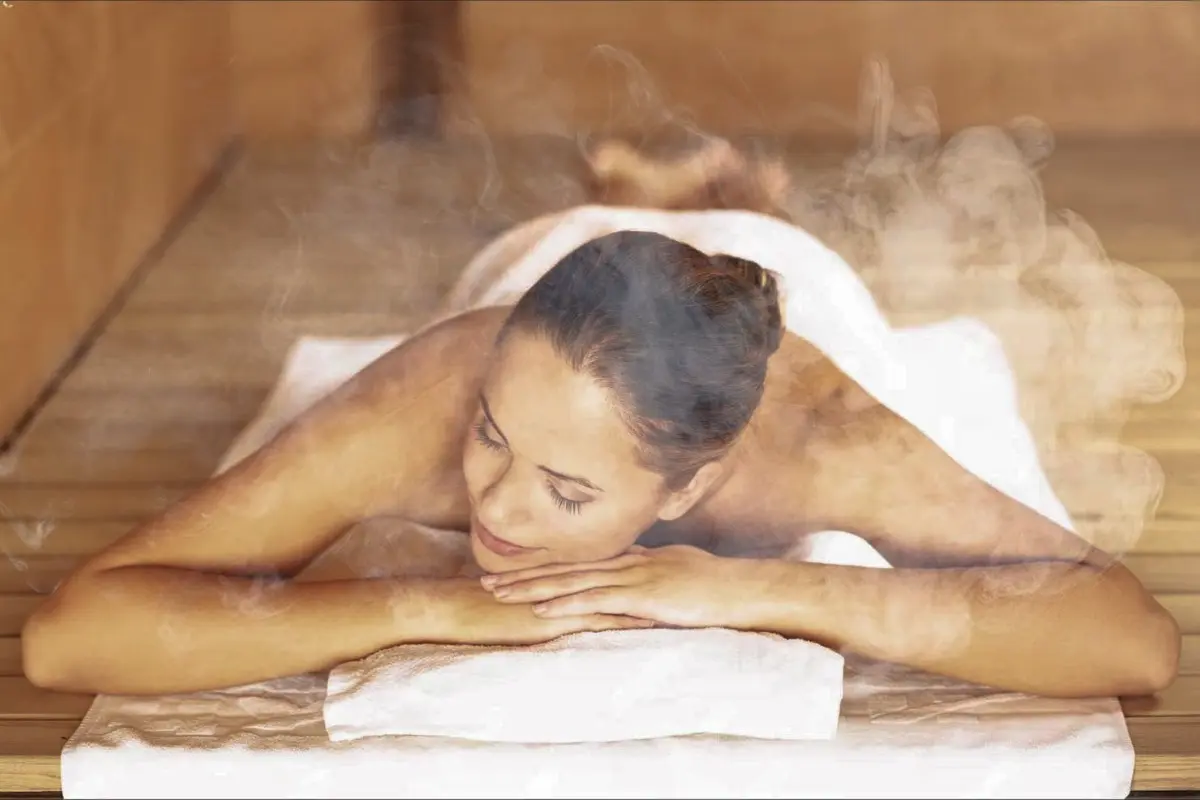
Steam therapy is a body treatment that uses warm water vapor, usually at around 40–50°C with very high humidity. Often offered as part of hydrotherapy at a wellness spa, a steam bath encourages several natural responses in the body.
- Supports circulation: The heat widens the blood vessels, helping blood and oxygen flow more easily to the muscles.
- Relaxes tight muscles: Warm steam helps loosen tense muscle tissue and may reduce stiffness or soreness.
- Opens the pores: Steam softens the skin and helps remove surface impurities, making it easier for oils and spa products to absorb.
- Makes breathing feel easier: Moist air can help loosen mucus in the nose and throat.
Unlike a dry sauna, a steam bath uses warm, humid air. This makes the experience feel gentler on the skin and less drying for the throat.
Why Steam Therapy Is Recommended Before a Massage
Using steam therapy before a massage works like a gentle warm-up for the body. The heat and moisture prepare the muscles and skin, helping the massage feel more comfortable and effective.
Here are some of the main steam room benefits before a massage:
- Supports muscle relaxation: The warmth helps soften tight muscle fibers, so the therapist may not need to apply heavy pressure at the start of the session.
- Improves the massage experience: Heat therapy increases blood flow, which can help the body feel looser and more relaxed during treatment.
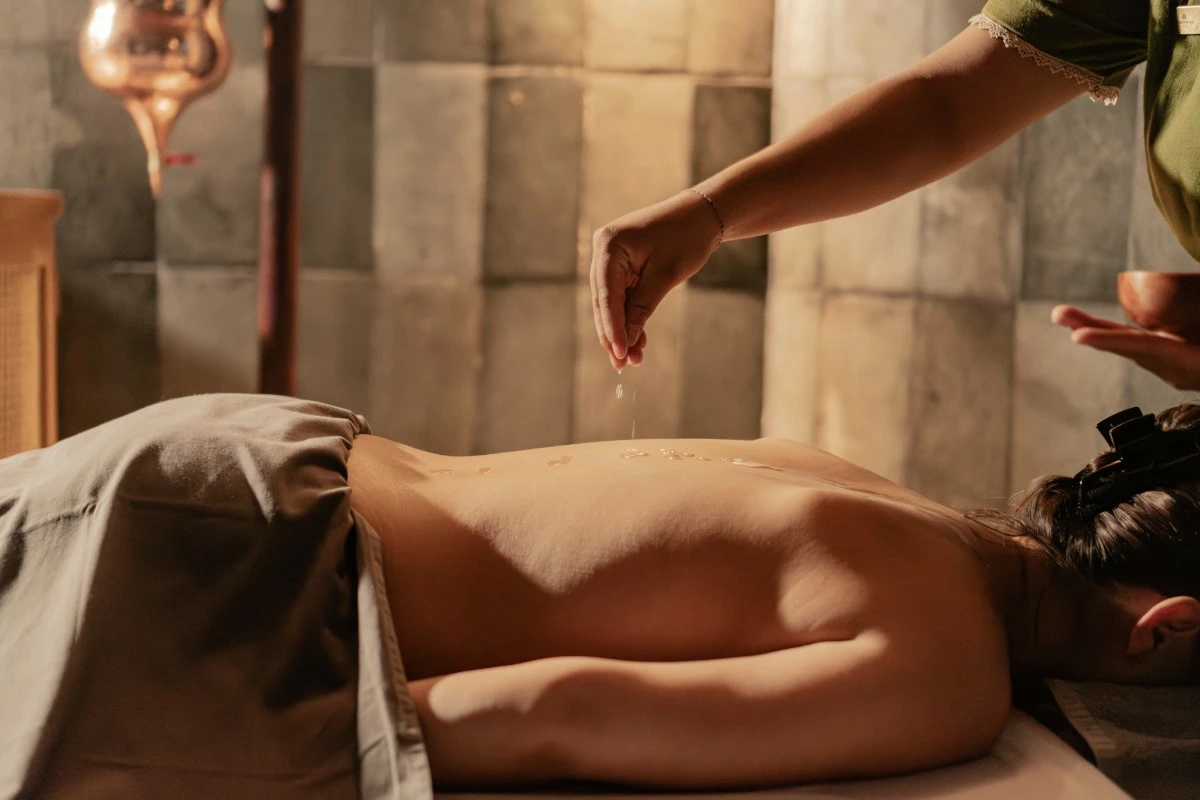
- Prepares the skin for massage oils: The warm steam softens the skin, allowing massage oils, aromatherapy products, or body lotions to spread and absorb more easily.
- Helps calm the mind: Sitting in a wet sauna and breathing slowly can create a peaceful transition into the massage session.
Combining steam therapy with massage can help the muscles feel more flexible, prepare the skin for treatment, and support deeper overall relaxation.
Steam Room, Steam Tent, or Full Hammam Ritual: Choosing the Right Format
- Steam Tent
A portable steam tent is a practical and private option for enjoying spa steam therapy at home. It is suitable for light sweating, relaxing tired muscles, or unwinding after a long day without sharing the space with anyone else.
The tent usually fits only one person, and the steam may not feel as strong or even as a professional facility. However, it is affordable, convenient, and easy to use whenever needed. - Steam Room
A steam room spa is a good choice for people who want to relax their muscles or feel refreshed after exercise. Since it is a dedicated room, the heat and humidity are usually more stable and spread evenly throughout the space.
The main downside is limited privacy because the room may be shared with other guests. Cleanliness can also vary depending on how well the spa, gym, or wellness centre maintains the facility. - Full Hammam Ritual
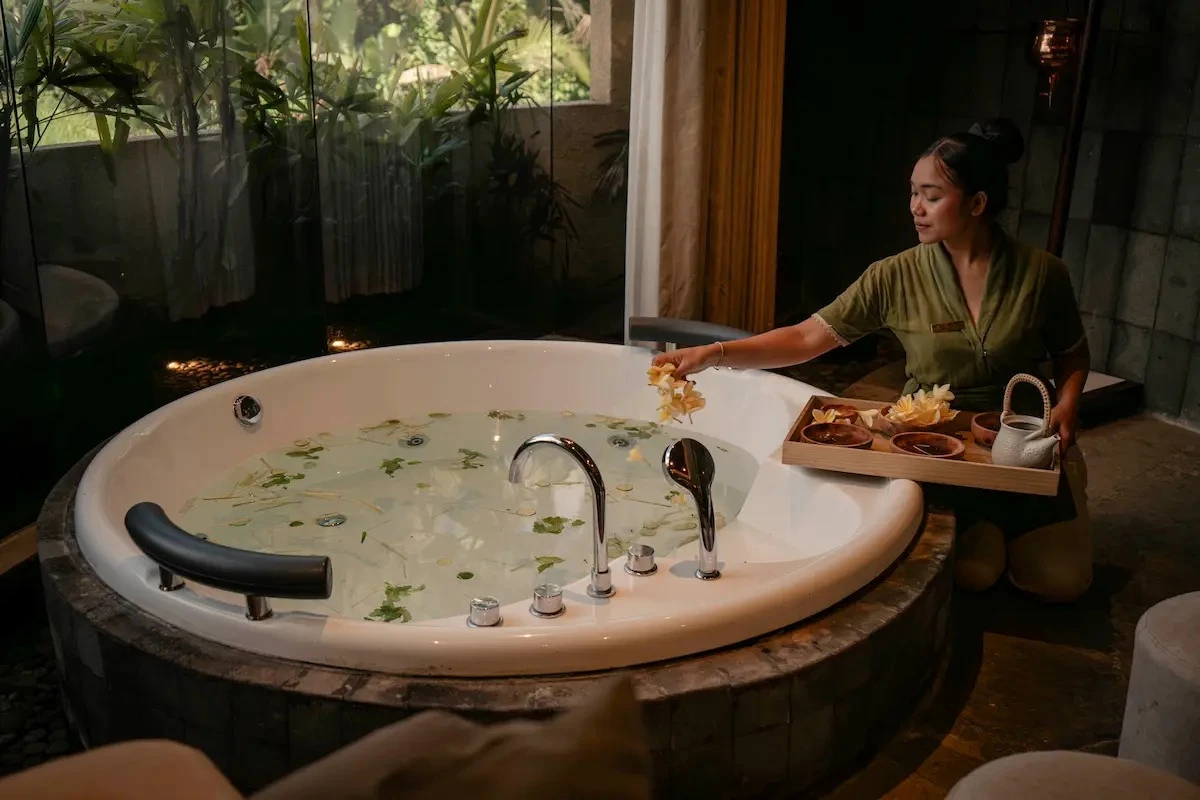
A hammam steam room experience is a complete Middle Eastern-inspired body treatment. It usually combines warm steam, black soap, deep exfoliation with a Kessa glove, rinsing, and sometimes a relaxing massage.
This option is ideal for anyone looking for deeper cleansing, smoother skin, better circulation, and full-body relaxation. Since the treatment takes more time and usually costs more, it works best as an occasional pampering ritual rather than a regular daily treatment.
How Long to Steam Before Different Types of Massage?
Using a steam room before a massage can warm the muscles, support circulation, and make the fascia or connective tissue feel more flexible. The ideal steaming time depends on the massage treatment you choose.
Relaxation or Swedish Massage: 10–12 Minutes
For a relaxation or Swedish massage, around 10–12 minutes is usually enough. This helps calm the mind and loosen mild muscle tension without making the body feel tired or dehydrated before the treatment.
Deep Tissue or Sports Massage: 15–20 Minutes
Deep tissue and sports massage focus on tight muscles, knots, and stiff fascia. Steaming for around 15 minutes, with a maximum of 20 minutes, can help soften the muscles and make deeper massage techniques feel more comfortable.
Aromatherapy or Lymphatic Drainage Massage: 8–10 Minutes
These treatments use lighter pressure and gentle techniques, so a shorter steam session is better. Around 8–10 minutes is enough to warm the body, soften the skin, and support the use of essential oils without causing heavy sweating.
As part of your massage preparation, avoid staying in the steam room for more than 20 minutes. Afterward, take a 10–15 minute break to shower with lukewarm water, dry off, and drink water before starting the massage.
For anyone wondering whether to use the steam room before or after a massage, steaming beforehand is generally better for loosening the muscles. Using it after a massage may feel relaxing, but too much heat can increase dehydration.
What to Expect Minute by Minute During a Pre Massage Steam Session
Here is a simple look at what you may experience during a typical pre-massage steam session.
- Minutes 0–3: Getting Used to the Heat
The body begins adjusting to the warm and humid air. The skin starts to feel warmer, while the moisture may make breathing feel more comfortable. - Minutes 4–8: Increased Circulation and Sweating
The blood vessels begin to widen, circulation increases, and light sweating starts. Tight areas such as the shoulders and neck may begin to feel softer. - Minutes 9–12: Deeper Relaxation
The muscles continue to warm, and the fascia becomes more flexible. The body starts moving into a calmer state, helping reduce both physical and mental tension. - Minutes 13–15: Fully Warmed Up
By this stage, the muscles are usually ready for the massage. It is also a good time to leave the steam room before you begin feeling dizzy, weak, or dehydrated.
Many wellness centres offering a steam room Ubud experience combine steaming with massage to create a smoother and more relaxing spa journey.
Why Steam Therapy Can Be Helpful for Travelers in Bali
For travelers in Bali, steam therapy can do more than help you relax. It may also support physical recovery after long journeys, outdoor activities, and busy days exploring the island.
- Helps Clean the Skin
Bali’s humid weather, strong sun, sunscreen, and road dust can leave the skin feeling clogged. One of the common steam therapy benefits is that warm steam encourages sweating and softens buildup on the skin, making it easier to cleanse afterward. - Supports Muscle Recovery
Long flights, surfing, hiking Mount Batur, and walking around tourist attractions can leave the body feeling stiff and sore. The warmth helps improve blood flow and relax tired muscles, making steam therapy a useful recovery step before a massage. - Helps the Body Adjust to the Climate
The tropical heat in Bali can feel tiring, especially during the first few days of a trip. A short and controlled steam session may help the body become more comfortable with warmth, but it should never replace proper hydration, rest, and protection from the sun. - Prepares the Body for a Balinese Massage
Using steam before a traditional Balinese massage can help loosen tight muscles and make the body feel more flexible. This allows the therapist to work on pressure points more comfortably and may improve the overall massage experience.
Who Should Be Careful with Steam Therapy?
Although there are several steam therapy benefits, the high heat and humidity are not suitable for everyone. Some people should speak with a doctor before using a steam room.
- People with Heart or Circulation Conditions
Anyone with heart disease, uncontrolled high blood pressure, or circulation problems should be careful. Heat causes blood vessels to widen and can place additional stress on the cardiovascular system. - Pregnant Women
Pregnant women should consult a healthcare professional before using steam therapy. High temperatures can raise the body’s core temperature, which may be unsafe, especially during early pregnancy. - People with Sensitive or Irritated Skin
Steam may worsen conditions such as rosacea, active eczema, or sunburn. Travelers with red, inflamed, or recently sunburned skin should allow it to recover before entering a steam room. - Anyone Who Is Dehydrated or Has Consumed Alcohol
Avoid steam therapy after drinking alcohol or when feeling dehydrated. The heat increases sweating and may lead to dizziness, weakness, or fainting. - People with Asthma or Breathing Problems
Warm steam may feel soothing for some people, but dense and humid air can make breathing more difficult for others. Anyone with severe asthma or another respiratory condition should check with a doctor first.
How to Prepare for a Steam and Massage Session
A little preparation can help you enjoy the steam and massage more comfortably while reducing the risk of dizziness, dehydration, or skin irritation.
- Drink Enough Water
Steam makes the body sweat, so hydration is important. Drink one or two glasses of water around one to two hours before your session to help prevent headaches, weakness, or dizziness. - Eat a Light Meal
Have a small meal or snack about one to two hours beforehand. Avoid arriving on an empty stomach, but do not eat a heavy meal either, as lying face down during the massage may feel uncomfortable. Fruit, toast, or another light snack is usually enough. - Steam First, Then Massage
The best order is to use the steam room before your massage. Warm steam helps loosen tight muscles and prepare the skin, making the massage feel more comfortable. Steaming afterward may also remove the massage oils and essential oils left on the skin. - Shower Before the Session
Take a quick shower to remove sweat, lotion, deodorant, and excess oil from the skin. Clean skin allows the steam and massage products to work more effectively. - Remove Jewelry and Contact Lenses
Take off metal jewelry before entering the steam room, as it can heat up quickly and become uncomfortable against the skin. It is also safer to remove contact lenses because the hot, humid air may irritate the eyes. - Wear Loose, Comfortable Clothing
After the treatment, your body may still feel warm and slightly damp. Choose loose cotton clothing that is easy to put on and comfortable to wear.
Building Steam Therapy Into a More Intentional Bali Wellness Routine
For travelers looking for the best hammam spa in Ubud, Hammana Spa is a strong choice thanks to its calming atmosphere and thoughtfully designed wellness rituals. By combining steam therapy with body cleansing, exfoliation, and massage, the experience helps relax tired muscles, refresh the skin, and prepare the body for deeper rest.
Make steam therapy part of your Bali wellness journey with a hammam-inspired treatment at Hammana Spa. Book your session through the official Hammana Spa website and enjoy a more complete way to relax, recover, and reconnect in Ubud.