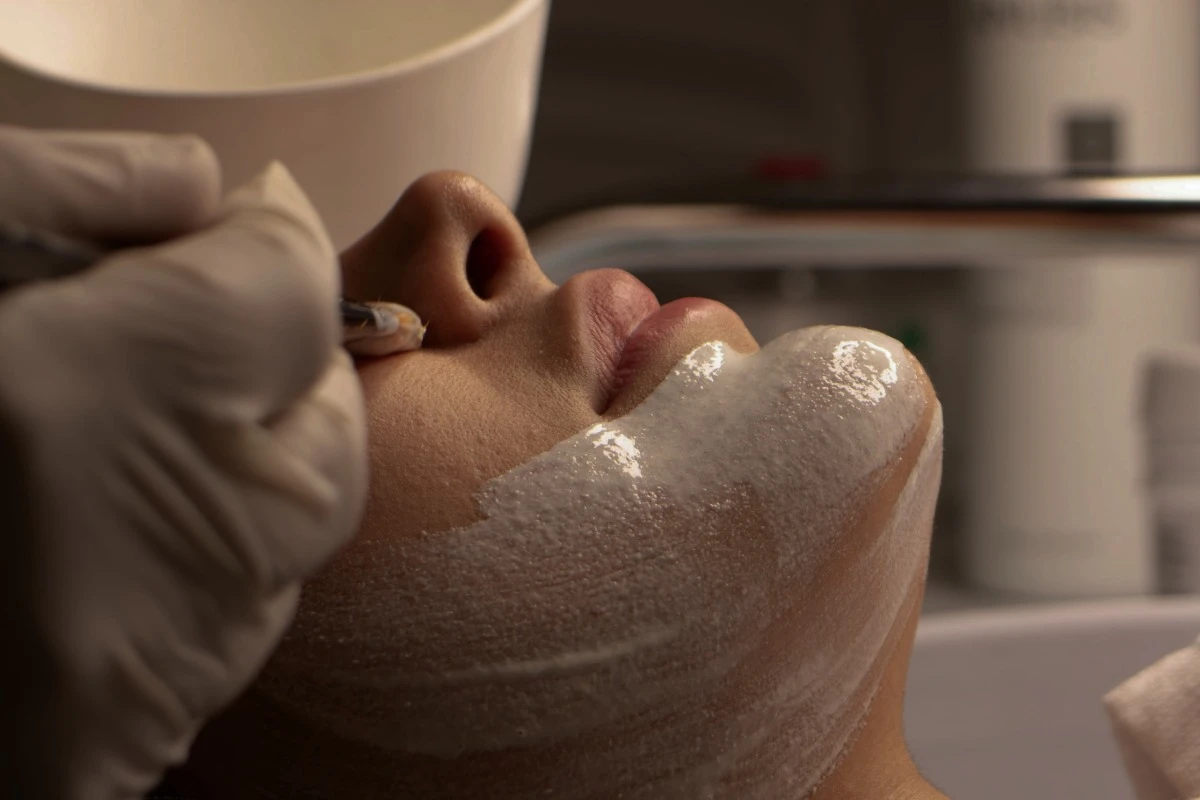
Heat therapy is a soothing ritual that many people turn to when their muscles feel tight, tired, or sore, and it may help the body unwind while supporting healthy circulation. As the name suggests, it uses gentle warmth to restore a sense of ease.
Heat therapy vs massage is a comparison that comes up often among people exploring recovery options, since both can ease muscle discomfort but take very different approaches. In this guide, we look at how each one functions and what the research actually says, so you can choose what fits your routine best.
What Heat Therapy and Massage Actually Do to Tired Muscles
Heat therapy and massage are two physical care methods commonly used to help the body relax. They can be combined or enjoyed one after the other, yet each works in its own way.
How heat therapy works
Heat therapy works by applying warmth to areas of the body that feel tense or sore, encouraging its natural physiological responses. The warmth may widen blood vessels, allowing circulation to improve and carry extra oxygen to the tissue.
As a result, stiff muscles can become softer and more pliable, while the gentle heat may also change how pain signals are sensed, so discomfort seems lighter.
How massage works
Massage uses pressure, friction, and manipulation on soft tissues such as muscles, tendons, ligaments, and blood vessels, with the aim of encouraging circulation and relaxation. This hands-on work may help move blood toward tense areas, bringing in more oxygen and nutrients while helping clear metabolic waste more quickly.
Kneading and rubbing movements can also help loosen tight fibers and ease knots, while touch and firm strokes send signals to the brain that may lower stress hormones and encourage feel-good ones. Working on connective tissue may further keep joints supple and help ease stiffness.
What the Research Says About Heat Therapy for Muscle Recovery
Many people still overlook heat therapy, treating it as a soft alternative that delivers little in the way of results. Yet a number of scientific studies support it as a legitimate tool for easing muscle soreness after exercise. Here is what the research says.
Heat compared with doing nothing
A meta-analysis in Physical Therapy in Sport (Wang et al., 2021) pooled 32 randomized controlled trials with more than a thousand participants. It found that applying warmth after exercise reduced pain more than passive recovery, both within the first 24 hours and afterward.
Heat compared with cold
Cold may look like the natural opposite of heat, yet the same meta-analysis found no meaningful difference in pain between the two. Cold eased discomfort for roughly 24 hours, but its effect afterward was unclear.
A study by Petrofsky et al. (2015) found cold slightly better at relieving pain, although both options protected muscle tissue when used soon after training. Cold also carries a trade-off, since a 2022 review in Sports Medicine – Open noted that early cooling can reduce sprint performance after sprint training.
Where the evidence is weak
Evidence specific to warming remains fairly limited. The same 2022 Sports Medicine – Open review noted that few trials have tested it as a recovery method, though early signs look promising for endurance and sprint training.
For whole-body exposure such as hot water immersion and sauna, a 2025 systematic review of nine acute studies found split results: four showed no effect, four showed a benefit, and one showed worse performance recovery.
What the Research Says About Massage for Muscle Recovery
Compared with heat therapy, massage is far more popular as a way to ease sore muscles. But does the science back it up more strongly? Here is what the research shows.
Soreness and creatine kinase
A 2017 review in Frontiers in Physiology combined the results of eleven trials with 504 participants in total. It found that people who got a massage after hard exercise felt less sore than people who did nothing, at 24, 48, and 72 hours afterward.
The same review found lower blood levels of creatine kinase, an enzyme that leaks into the blood when muscle fibers are damaged, along with better muscle strength. A 2018 review comparing different recovery methods agreed.
It named massage as the most effective way to cut soreness and tiredness, and as one of the strongest for calming inflammation markers.
Timing after exercise
Research does not point to one best time for a massage. In the 2017 review, soreness eased more when the session came 48 to 72 hours after exercise than at 24 hours, with the biggest drop at 48 hours. However, session length and timing differed a lot from one study to the next.
Results for early massage are mixed. In a small study of 20 college students, a 20-minute Swedish massage (a gentle, flowing style) right after squats lowered soreness at 24 hours, but the difference was no longer clear at 48 hours.
An older trial of 31 people found no real difference in soreness between the massaged and non-massaged groups over 48 hours.
Heat Therapy vs Massage: Side-by-Side Comparison
You may feel torn between the two methods, but the best choice really depends on your needs and what you are dealing with. If you are still unsure, here is a general comparison of both:
| Heat therapy | Massage | |
| Eases soreness | Yes, in the first day or so | Yes, for up to about 3 days |
| Reduces muscle damage markers | Not clear | Some evidence of yes |
| Boosts strength or performance | Results differ from study to study, because each one tested a different type of heat and exercise | Some evidence of yes |
| Best timing | Soon after exercise | Anytime, but often works best 1 to 2 days after |
| Strength of evidence | Moderate, with limited study quality | Moderate, with varied study methods |
| Bottom line | A simple way to ease soreness | Slightly more evidence for soreness and recovery |
Does Heat Before Massage Work Better Than Either Alone?
So far, no research has directly compared warming up the muscles before a massage with simply getting a massage after exercise. The closest evidence comes from a study of people with lower back pain, where a single device delivered both treatments at once.
Pain relief was about as good as standard physical therapy, so neither option had a clear edge, although fatigue and mood improved slightly more with the combined approach.
That study was also small, with only 40 participants, and it did not look at soreness after exercise. Using both is fine if it feels more comfortable, but there is no proof yet that either one works better.
A simple sequence for a spa day
If you are planning a spa day or want to try a heat and massage ritual, a simple order keeps it enjoyable. Here is a sequence you can follow:
- Start with a warm soak, steam therapy, or heat pack to loosen your muscles and help your body unwind.
- Move on to a massage while you feel relaxed, focusing on any areas that feel stiff.
- Finish with quiet rest, a glass of water, and a gentle stretch so the calm stays with you on the way home.
- Keep the temperature comfortably warm, never too hot, and ask for lighter pressure if your muscles feel very sore.
Which Should You Choose? A Recovery Decision Guide
As mentioned earlier, the best therapy is the one that matches what your body needs. Here is a general guide to help you decide.
Choose heat therapy if:
- Your muscles feel stiff and tight after exercise.
- You want an easy, affordable option you can do at home, such as a warm compress or a warm bath.
- You need something soothing before bed.
Choose massage if:
- Soreness lingers one to two days after your workout.
- You want to ease tension in a specific area.
- You need time to fully unwind and have someone who can do the massage for you.
Combine both if:
- You have plenty of free time for a longer session.
- You want a more comfortable, spa-day experience.
Who Should Skip Heat or Check With a Doctor First
Heat therapy is generally safe for most people. However, if any of the conditions below apply to you, take extra care or speak with a doctor before trying it.
- You have a fresh injury, swelling, or inflammation, such as a sprain in the last two to three days, because heat can make the swelling worse.
- Your skin has reduced feeling, for example from diabetes or nerve damage, so a burn might go unnoticed.
- You have poor circulation or a suspected blood clot.
- You have heart disease or high blood pressure, especially before using a sauna or hot soak.
- You are pregnant and planning to use a sauna or hot tub.
- You have an open wound, an infection, or irritated skin, such as sunburn or dermatitis.
- You have a joint implant or a known tumor in the area you want to warm.
Whatever your situation, keep the heat comfortably warm, never too hot. Stop right away if the pain increases, swelling appears, or your skin turns very red. If nothing improves after about a week, see a doctor or physiotherapist.
How Hammana Spa Ubud Applies Both
If you want to experience both heat therapy and massage in Ubud, put Hammana Spa Ubud at the top of your list. Set within the Equipoise Resort complex in Kenderan, it is a hammam spa that blends two worlds: soothing heat therapy and traditional Balinese healing.
Its hammam packages weave the two together into a single journey. Romantic Rice Paddies begins with a cleansing ritual that gently heats the body, followed by a deeply relaxing session that melts away tension, and ends with a flower bath overlooking the rice paddies, a celebration of connection.
The Hammana Spa Signature Package starts with the purifying warmth of the hammam, continues with a Balinese treatment to restore balance and harmony, and concludes with Shirodhara, a gentle stream of warm oil poured over the forehead to quiet the mind and awaken inner peace.
Beyond those packages, you can also choose from body treatments such as Hammam Maghribi, Turkish Hammam, and Balinese Hammam, along with a steam and jacuzzi ritual and a hot and cool jacuzzi. Each one relies on gentle heat to cleanse your body and leave you comfortably relaxed.
The spa also sits in Kenderan village, known for its tropical forest views and lush green rice fields. Alongside a complete, well-structured treatment experience, the beauty of the surroundings helps calm and refresh you.
Frequently Asked Questions
- How do you give heat therapy at home?
You can use a heating pad, a warm towel compress, or a warm bath. For a simple compress, dip a clean cloth in warm water, wring it until it is just damp, and lay it on the sore muscle. Place a thin cloth between your skin and the heat source, skip any creams beforehand, and keep the temperature comfortably warm, never too hot. Avoid falling asleep with a heating pad on so your skin does not blister. - Does heat therapy actually work?
For easing muscle soreness after exercise, the research is fairly supportive. Heat helps reduce discomfort, especially when used soon after a workout. However, it has not been shown to help your strength or performance bounce back faster, so it is best seen as a way to soothe soreness and add comfort. - When should you avoid heat therapy?
Skip heat on a fresh injury or swollen area, skin with reduced feeling, open wounds, infections, or irritated skin. Talk to a doctor first if you have heart disease, high blood pressure, circulation problems, or you are pregnant and want to use a sauna or hot tub. - How long can you use heat therapy?
Aim for 15 to 20 minutes per session. Let your skin return to its normal temperature before repeating, and keep it to a few times a day at most. If the pain has not improved after about a week, or it gets worse, see a doctor or physiotherapist.
Building a Recovery Routine That Fits Your Body
Heat therapy and massage are both ways to ease muscle pain, but they work differently. Heat uses temperature to loosen stiff muscles, while massage relies on a therapist’s pressure and touch.
Researchers have studied both extensively. Results vary from study to study, but overall they are considered effective and safe when used in moderation and matched to your needs. If you want to build a recovery routine that suits your body, check in with Hammana Spa Ubud, then book a session that fits what you are feeling.