If you’re after one of Bali’s most relaxing treatments, jacuzzi therapy deserves a spot on your list. Warm, high-pressure water works its magic through hydrotherapy, massage, and pure relaxation, all rolled into one soothing soak.
Spas and wellness spots across the Island of the Gods have made jacuzzi therapy a staple, often set against some of Bali’s most beautiful natural backdrops. Before you dive in, here’s everything worth knowing first.
What Jacuzzi Therapy Actually Does to Your Body?
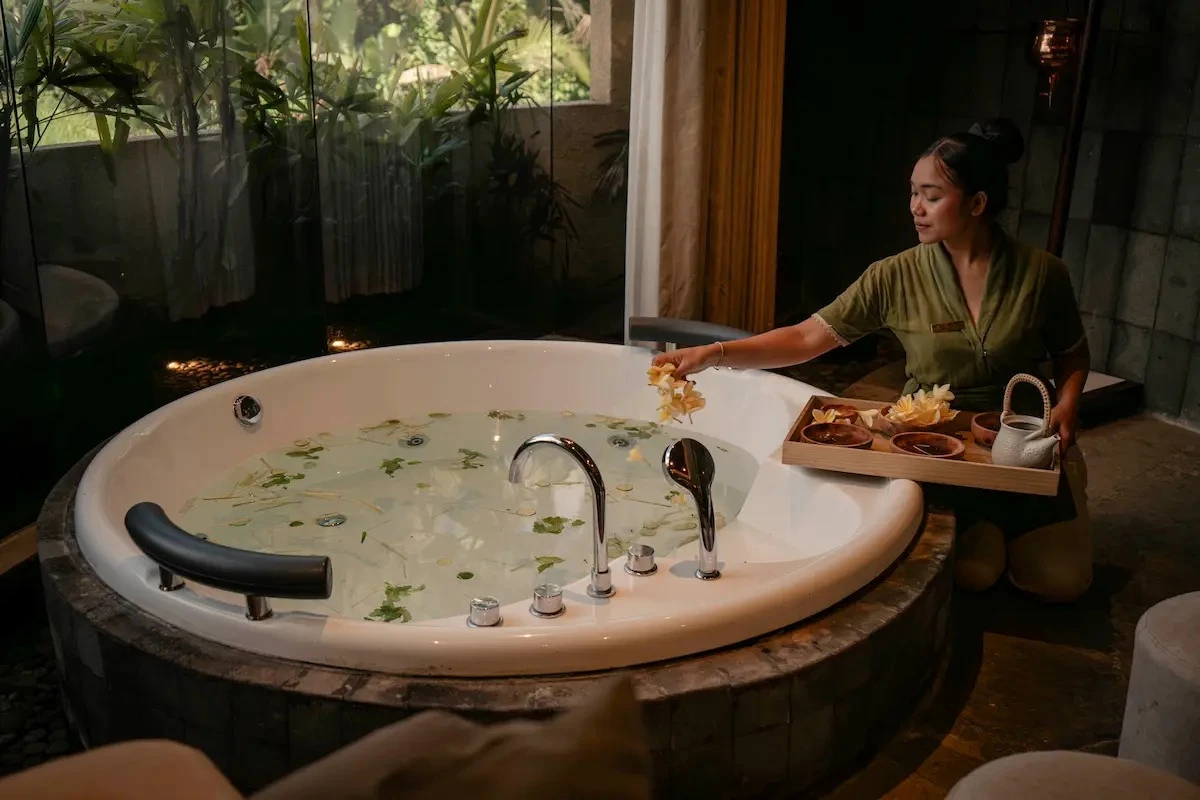
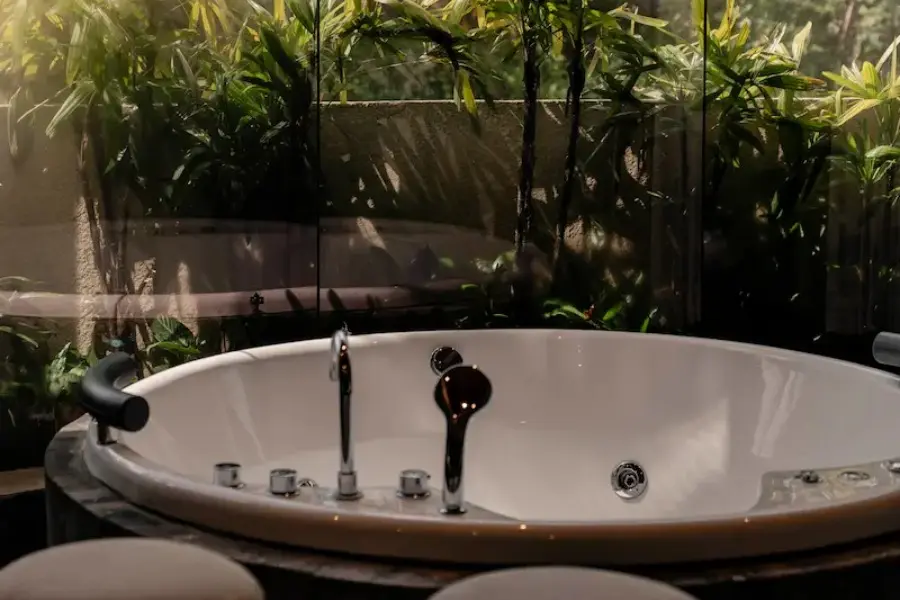
Jacuzzi therapy is a form of hydrotherapy performed in a warm pool or tub fitted with high-pressure water jets. These jets create a massage-like effect on the body, helping improve blood circulation, ease muscle pain, and support both physical and mental relaxation.
There’s a wide range of jacuzzi benefits worth knowing about. Warm water helps dilate blood vessels, allowing blood and oxygen to flow more efficiently to muscles and other organs throughout the body, while the pressure from the water jets works like a gentle massage, easing tension and relieving pain in the back or joints.
The buoyancy created inside a jacuzzi can also reduce the effective weight of your body by up to 90 percent, significantly easing pressure on the spine and joints. Beyond the physical benefits, this therapy also triggers the release of endorphins, helping calm the mind and improve sleep quality afterward.
Relaxation vs. Recovery: Understanding the Difference
Not everyone runs a jacuzzi session for the same reason. Some simply want relaxation to release built-up tension, while others use it for a more targeted recovery session.
To understand the difference between relaxation and recovery use of a jacuzzi, here’s what’s worth knowing.
Relaxation in a Jacuzzi
- Calms the mind: Warm water in the jacuzzi signals the brain to lower stress hormones and settle into a more relaxed state.
- Resets the nervous system: Buoyancy reduces the load on your body, helping ease physical tension and muscle tightness you usually don’t even notice.
- Preps you for sleep: Soaking temporarily raises body temperature, which then helps you sleep more deeply once it drops back down.
Recovery in a Jacuzzi
- Boosts blood circulation: Heat widens blood vessels, allowing oxygen and nutrients to reach tired, sore muscles faster.
- Targeted hydromassage: Pulsing jets help release deep muscle knots and reduce tension after exercise.
- Supports mobility: The warmth in a jacuzzi loosens connective tissue and joint stiffness, helping overall body movement function better.
The Mental Reset Most Visitors Don’t Expect
Beyond physical benefits like easing sore muscles and improving blood circulation, jacuzzi therapy also offers a deeper effect on your mental state. You’ll notice a sense of mental clarity afterward, a kind of reset that goes further than simple relaxation.
The combination of warmth, a floating sensation, and stillness pulls your attention away from racing thoughts, usually without you even realizing it. Many visitors describe feeling lighter and more at ease after soaking, as if the water absorbed more than just physical tension.
This effect is closely tied to a reset in the nervous system. Lowered stress hormones and muscles that are no longer tense help calm the mind, creating space for real mental rest.
Where Warm Water Therapy Fits Inside a Balinese Wellness Ritual
Long before jacuzzis were introduced, Bali already had its own traditional healing practices rooted in water as a source of therapy. Melukat purification rituals and the warm herbal soaks used in boreh treatments are just two examples, with water always serving as a core element in the island’s approach to wellness.
In that sense, jacuzzi therapy shares the same lineage as these Balinese traditions, just in a more modern form. The core idea remains the same, using water, warmth, and stillness together to cleanse both the body and mind, rather than just one or the other.
Many spas, resorts, and wellness spots across Bali now blend jacuzzi sessions with elements drawn from these traditional healing practices, pairing them with aromatic oils, natural herbs, and calming Balinese surroundings to slow things down and quiet the mind for a moment.
How to Schedule Your Jacuzzi Session for Maximum Benefit
To get the most out of a jacuzzi therapy session, proper scheduling matters. This often means pairing it with other spa treatments, like massage, at the right moment, whether that’s before, after, or during a broader wellness day, since good timing shapes how much benefit you actually get from the session.
Before a massage
You can schedule a session before your massage. Soaking during this window helps warm up your muscles and loosen tense areas, making it easier for the therapist to reach problem spots once the massage begins.
If you’re planning a jacuzzi session before your massage, keep these points in mind:
- Warm up your body to loosen tight muscles.
- Improve blood flow so your therapist can work more effectively.
- Limit your soak to 10 to 15 minutes.
- Once done, cool your body down completely before the massage begins.
After a massage
Besides doing it before a massage, you can also schedule a jacuzzi session afterward to extend the treatment’s effects and keep blood flow steady while your muscles stay relaxed longer. This soak also helps flush out any lingering tension that might surface after the massage.
If you’re planning to soak after your massage, here are a few things to keep in mind:
- Wait until your body temperature returns to normal before starting your jacuzzi session.
- Drink a glass of water first to stay hydrated.
- Soak for around 15 minutes to help calm your nervous system.
- Let your muscles rest without pushing into heavy stretching afterward.
As part of a wellness day
If you want your jacuzzi session to be part of a full wellness day, this treatment works well as a pause between other treatments, giving your body time to reset before moving on to the next session, making the whole wellness experience feel more relaxed and complete.
Here’s what to keep in mind if you want to include a jacuzzi session as part of your wellness day:
- Start your morning with light stretching or yoga.
- Take time to soak midday to reset your mood.
- Follow your soak with a healthy meal or calming herbal tea.
- End the day by sleeping early to get better quality rest.
What To Know Before Booking A Session
If you’re planning to try this treatment, there are a few important things to know, especially the time and temperature limits, health conditions to avoid, along with physical preparation and spa etiquette.
Time and Temperature Limits
- Limit your soak to a maximum of 15 to 20 minutes per session to prevent overheating.
- Make sure the water temperature doesn’t exceed 40°C (104°F).
- Rest or step out of the water immediately if you feel nauseous or dizzy.
Health Conditions to Avoid
- If you’re pregnant or have heart disease or high blood pressure, avoid using a jacuzzi without a doctor’s approval.
- Skip the session if you have a skin infection, open wounds, a fever, or aren’t feeling well.
- Avoid sedatives or alcohol before and during your session.
Physical Preparation and Spa Etiquette
- Shower or rinse your body before getting into the water.
- Avoid eating a heavy meal within 1 to 2 hours beforehand.
- Drink enough water to prevent dehydration from the warm temperature.
- Arrive about 10 to 15 minutes early so you can prepare calmly.
How Jacuzzi Therapy Compares To Other Water-Based Treatments In Bali
As mentioned earlier, Bali offers plenty of treatments that use water as their main medium, from melukat to several others. Each of these treatments carries its own set of benefits for the body.
Comparing jacuzzi therapy against these other water-based treatments reveals some clear differences. Understanding those differences can help you figure out which one actually fits what your body needs.
Jacuzzi vs. Melukat
Melukat is a spiritual purification ritual performed using water at sacred springs or temples, aimed at cleansing the soul rather than physically relaxing the body. Jacuzzi therapy, on the other hand, works on a physical level, using heat and water pressure to ease muscle tension and support mental relaxation without any religious purpose like melukat.
Jacuzzi vs. Watsu (Water Healing)
Watsu, or water healing, is a form of aquatic bodywork where a therapist supports and stretches your body as you float in warm water, blending shiatsu-style touch with the sensation of floating. Jacuzzi therapy, in comparison, is simpler and more self-directed, letting you experience its effects without needing a therapist’s assistance.
Jacuzzi vs. Flower Bath
Flower bath treatments lean more into sensation and aroma, soaking in warm water scattered with island flowers like frangipani or jasmine for a calming effect through natural fragrance. Jacuzzi therapy, by contrast, leans more into the therapeutic side through water jet pressure, making it a better fit if you’re looking to recover sore muscles rather than simply enjoy a relaxing scent.
Mistakes First-Time Visitors Make With Jacuzzi Therapy
There are a few common mistakes first-timers often make during jacuzzi therapy, especially around timing, temperature, hygiene, and preparation. Here are some mistakes worth avoiding:
- Soaking too long: Step out of the water every 15 minutes to cool down, since excess heat can trigger dizziness or dehydration.
- Water temperature too hot: Keep the temperature around 40°C (104°F) or lower to avoid overheating.
- Forgetting to hydrate beforehand: Drink enough water before and after your soak to replace fluids lost through sweating.
- Skipping a shower first: Natural skin oils, makeup, and lotion can contaminate the water and irritate your skin if not rinsed off beforehand.
- Wearing an unwashed swimsuit: Leftover detergent residue can disrupt the water’s chemical balance and cause foaming.
- Drinking alcohol before or during a soak: This can lower blood pressure and increase the risk of fainting.
Building a Wellness Routine That Lasts Beyond Your Holiday
Jacuzzi therapy is one option worth adding to your wellness routine, extending its benefits well beyond your holiday. Paired with other treatments and Bali’s natural beauty, the benefits go beyond the physical, reaching a deeper sense of calm as well.
If you’d like to try it yourself, Hammana Spa offers two options: the Steam & Jacuzzi Ritual for a cleansing, mineral-rich soak, or the Hot & Cool Jacuzzi for an invigorating hot-and-cold hydrotherapy journey. Book your session now and feel the difference for yourself.