A spa flower bath in Bali is a relaxing experience that combines warm water, fresh flower petals, and aromatherapy oils to soothe both body and mind. It’s different from Melukat though, while a flower bath is all about wellness and relaxation, Melukat is a sacred spiritual purification ritual led by a priest at a holy water source.
This article will walk you through the cultural meaning behind flowers in Bali, the different types commonly used, and the key differences between a spa flower bath and the Melukat ritual. You’ll also get a look at the actual steps involved in a flower bath session.
What a Flower Bath Actually Is in Balinese Spa Culture
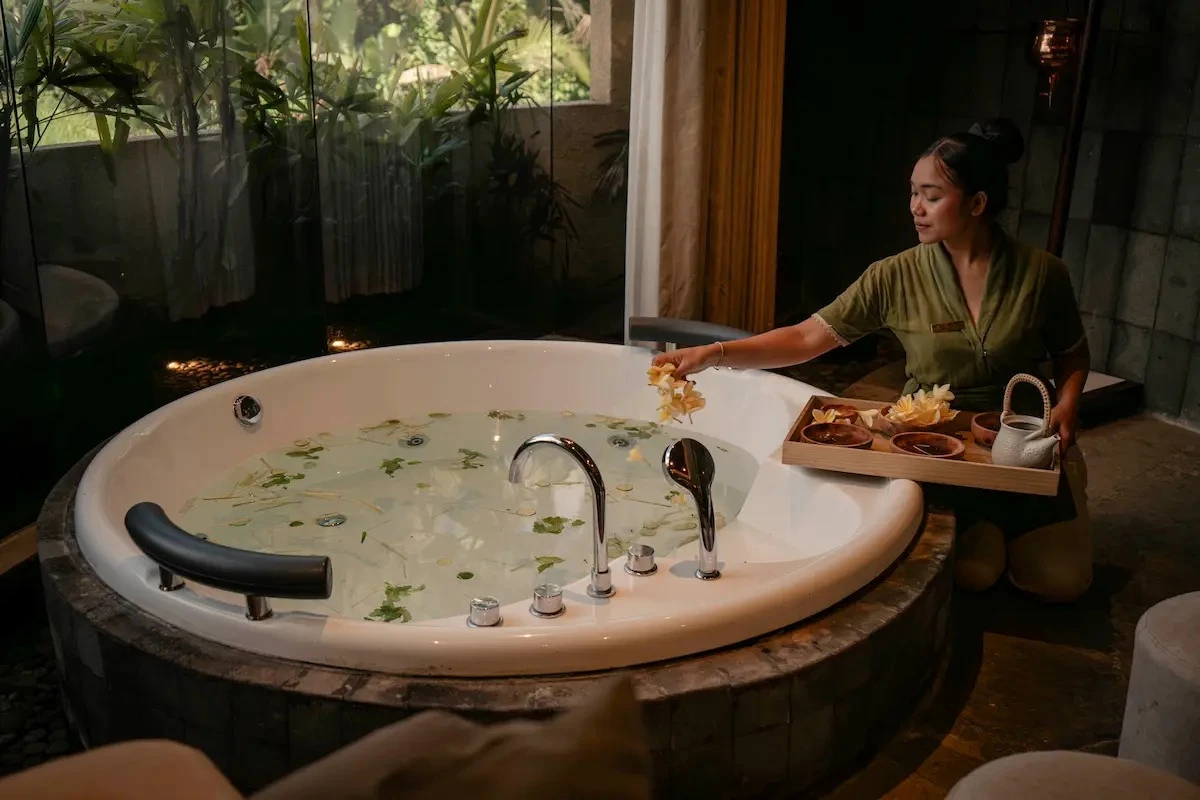
A mandi bunga (flower bath) in a Bali flower bath spa is a full body treatment made to help you relax and wake up your senses. It usually involves soaking in a tub filled with warm water, aromatherapy oils, and hundreds of colorful fresh flower petals, like roses, frangipani, jasmine, and hibiscus, often arranged into pretty mandala patterns.
In most spas today, a flower bath Bali experience is the perfect way to end a traditional Balinese massage or lulur (body scrub) session. The warm water and essential oils help open your pores and get your blood flowing, while the flower petals gently hydrate your skin and fill the air with natural aromatherapy that calms the mind and melts away stress.
The Spiritual and Cultural Roots of Bathing With Flowers
The tradition of bathing with flowers and water goes deep into Balinese Hindu values, where nature is seen as a bridge connecting people with the Creator. Flowers (puspa) and water (tirta) play a big role in everyday Balinese life, symbolizing gratitude, purity, and balance with nature (Tri Hita Karana).
This connection between flowers and water shows up most clearly in Melukat, a purification ritual for the soul and mind (sarira semaya) that takes place at temples or sacred water sources. While a bali flower bath has evolved into a modern wellness in Bali experience without any religious ceremony attached, it still draws its roots from the same idea: that flowers are natural healers, capable of clearing away negative energy.
Which Flowers Are Commonly Used in a Balinese Flower Bath?
The petals picked for a Balinese flower bath aren’t just there to look pretty. Each one brings its own scent and skin benefits, working together to pamper your senses:
- Kamboja (Frangipani): This iconic Balinese flower has a bold yet calming scent. It’s often seen as a symbol of welcome and is known to help ease mental tension.
- Rose: Brings a sweet, luxurious fragrance while helping to moisturize and soothe skin that’s sensitive or a little red.
- Jasmine: Has a soft, delicate scent that’s great for fighting anxiety and helping your nervous system settle into deep relaxation.
- Hibiscus & Ylang Ylang (Kenanga): Hibiscus is packed with antioxidants that refresh the skin, while ylang ylang brings an exotic touch that makes the essential oils feel even more therapeutic.
Where the Flower Bath Fits Within a Full Balinese Spa Ritual
In most flower bath spa packages (like a Balinese Healing or Pampering Package), the bali spa flower bath comes last, often as the highlight of the whole experience. The full balinese spa ritual is built to flow step by step, so your body gets the most out of each stage:
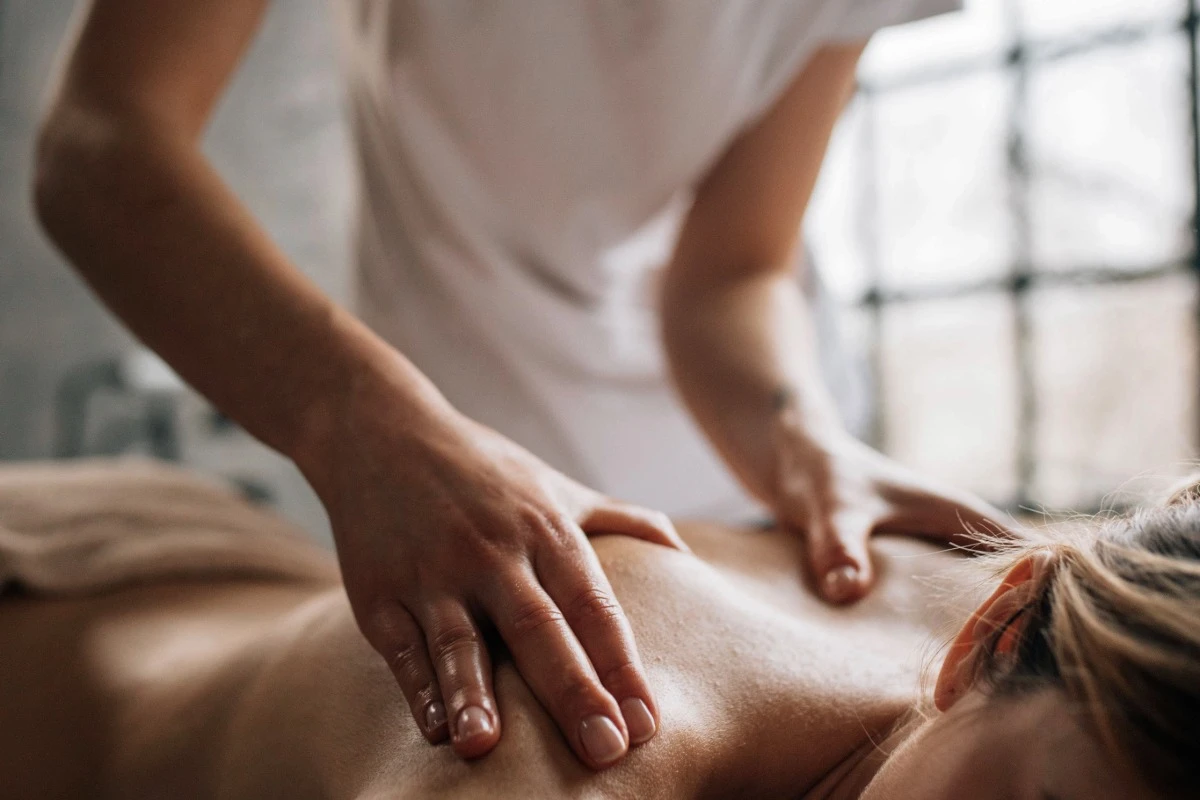
- Traditional Balinese Massage: It starts with a massage using medium to firm pressure, combining long strokes and thumb techniques to loosen tight muscles and get your blood flowing.
- Body Scrub (Boreh): Once your muscles are relaxed, a natural scrub like boreh spices or a turmeric rice blend is used to exfoliate dead skin and warm up the body.
- Flower Bath (The Grand Finale): After rinsing off the scrub, you soak in warm water filled with flower petals for about 20 to 30 minutes. This is your time to soak up the essential oils, rinse away any leftover scrub, and just relax before the session wraps up.
The Sensory and Wellbeing Reasons Behind the Ritual
So what is a flower bath, really, and why does it feel so good? It works by engaging all your senses at once, creating a multi sensory experience that helps you sink into deep relaxation:
- Natural Aromatherapy: The scent of essential oils and fresh flower petals travels straight to your brain’s limbic system, the part that controls emotions and stress. This helps bring your cortisol levels down almost instantly.
- Warm Water Therapy (Hydrotherapy): The warm water opens up your blood vessels, boosts circulation, and eases tension in your joints and muscles after a massage.
- Visual and Tactile Balance: Seeing the flower petals arranged so neatly is calming on its own, and the soft feel of petals against your skin adds to that sense of peace and wellbeing.
Together, these are some of the biggest flower bath benefits people come back for, it’s not just about the scenery, it genuinely helps your body and mind unwind.
What Happens During a Balinese Flower Bath at a Spa?
Curious what mandi bunga (flower bath) is actually like in practice? Here’s a simple rundown of the flower bath ritual and what usually happens during a session:
- Bath Preparation and Filling: Your therapist will get the warm water ready, mix in aromatherapy oils, and scatter fresh flower petals in a nice pattern right before you step in.
- Privacy Time (20 to 30 Minutes): Once your massage or body scrub is done, you’ll get some quiet alone time in a private room or an outdoor spa space.
- Hot Drink Serving: A warm herbal tea, like ginger or lemongrass, is usually brought to you while you soak, helping keep you hydrated from the inside.
- Rinse Off: After the bath, you’ll rinse off with clean water to wash away any leftover oil or petals before getting dressed again.
How to Choose a Meaningful Flower Bath Experience in Bali
Want your flower bath to actually feel special, not just look good for photos? Here are a few things worth checking when picking a spa in Bali.
- Flower Freshness and Water Hygiene: The best spas use fresh petals picked that same day, so the scent really comes through. It’s also worth making sure they keep things clean, like scrubbing the tub and changing the water for every guest.
- Spa Ambiance and Location: Pick a spot that matches the vibe you’re after. If you’re drawn to nature, a flower bath Ubud experience usually comes with views of lush forests or calming rice paddies. Prefer the beach instead? Areas like Uluwatu or Nusa Dua offer that stunning open ocean backdrop.
- Commitment to Eco-Sustainability: Look out for spas that keep things sustainable, sourcing flowers from local farmers, using natural oils free from synthetic chemicals, and handling wastewater responsibly.
Whether you go for an Ubud flower bath surrounded by greenery or a coastal one by the sea, choosing a spa that cares about these details makes all the difference.
Carrying the Ritual’s Meaning Beyond the Spa Visit
At the end of the day, a flower bath is more than just a pretty way to end your spa treatment. It’s a moment to slow down, let your senses reset, and carry a little bit of that Balinese calm with you long after you’ve left the tub. If you’re looking for a spa in Ubud that really gets this ritual right, Hammana Spa is worth putting on your list. Set at Equipoise Resort in Kenderan, Tegallalang, it’s known for combining a scenic flower bath with rice paddy views alongside Balinese healing and Turkish hammam rituals, making it one of the standout places to experience this tradition properly.
Ready to soak in your own flower bath moment surrounded by Ubud’s rice fields? Book your treatment at Hammana Spa and give yourself a full, unhurried ritual of relaxation, from massage to petals to that final quiet soak.