Sound healing is a wellness practice that uses sound vibrations to help the body and mind relax while supporting emotional well-being. In Bali, especially around Ubud, it has become a popular wellness experience through sound baths, singing bowl sessions, and guided meditation.
This article explains what sound healing is, how it works, and what you can expect during a session. It also explores its possible benefits, current research, and practical tips for choosing the right sound healing experience in Bali based on your wellness goals and travel plans.
What Is Sound Healing?
Sound healing therapy is a holistic wellness practice that uses tones, vibrations, and different healing frequencies to help the body and mind enter a deeply relaxed state. The basic idea is that sound can calm the nervous system, reduce mental tension, and help you feel more balanced.
During a sound healing session, instruments create vibrations that move through the room and around the body. Rather than physically “realigning” cells or organs, these sounds may support relaxation by encouraging slower breathing, focused attention, and a calmer mental state.
Common Instruments Used
- Singing Bowls
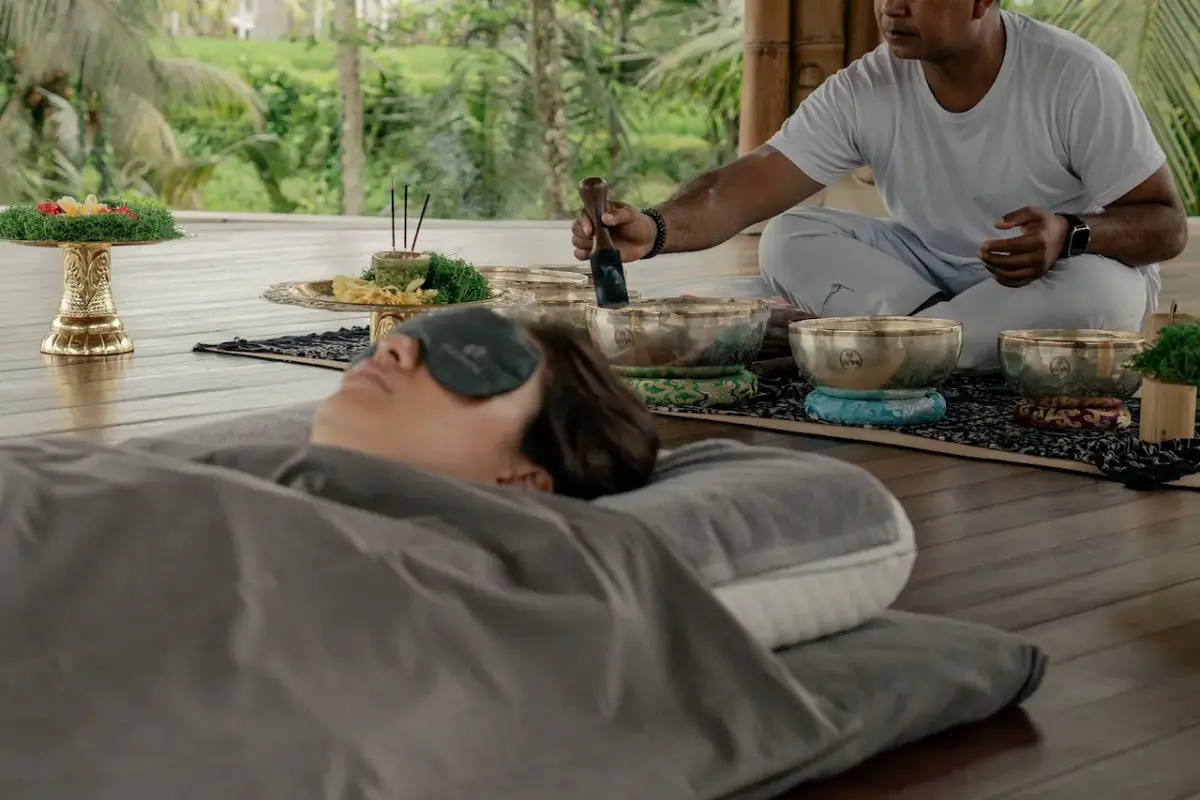
Tibetan metal bowls and crystal singing bowls produce long, resonant tones. Their gentle vibrations are commonly used to support relaxation and create a peaceful atmosphere. - Gongs and Chimes
Gongs create deep, layered waves of sound, while chimes add softer and lighter tones. Together, they can help reduce mental distractions during sound healing meditation. - Tuning Forks
Tuning forks produce specific tones and may be held near certain areas of the body. Practitioners use them to create focused vibrations and encourage relaxation around areas that feel tense.
A sound healing session can feel like a reset for the nervous system. The calming sounds may help shift your attention away from stress and toward a slower, more meditative state.
How Sound Healing Works on the Body and Mind?
- Physical Vibrations
Because much of the human body is made up of water, sound vibrations can be felt as well as heard. During a sound bath, tones from gongs or singing bowls may create gentle sensations through the body, helping the muscles relax and making physical tension feel less noticeable. - Brainwave Entrainment
One explanation for how sound healing works is brainwave entrainment, where the brain may gradually follow the rhythm of steady, repetitive sounds.
In an active state, the brain is often linked with Beta waves, which support thinking and alertness. Slower sounds used in singing bowl therapy may encourage Alpha waves associated with relaxation or Theta waves linked with deeper meditation and drowsiness. - Calming the Nervous System
Soft and rhythmic sounds may help reduce fight-or-flight activity and support the body’s rest-and-digest response. This can slow breathing, ease muscle tension, and create a greater sense of calm.
For this reason, some people explore sound healing for anxiety, stress relief, meditation, or chakra balancing. However, responses vary, and sound therapy should be viewed as a complementary wellness practice rather than a replacement for professional medical or mental health care.
Overall, sound therapy may help the body and mind shift from a tense, alert state into a calmer and more restful one.
How Sound Healing Supports Emotional Balance
Sound healing is a popular wellness therapy because the calming tones can help the mind and body slow down. During sound healing in Bali, sessions often use Tibetan singing bowls, gongs, and other instruments to create a deeply relaxing atmosphere.
- Supports the Body’s Relaxation Response
The slow, gentle sounds used in sound bath therapy may help activate the parasympathetic nervous system, also known as the body’s rest-and-recovery mode. This can support slower breathing, a steadier heart rate, and a general feeling of reduced tension. - Helps Quiet an Overactive Mind
When you are stressed, it can be difficult to stop repetitive thoughts. The steady tones of Tibetan singing bowls or a gong bath give the mind something simple to focus on, which may make overthinking feel less intense and create a calmer mental space. - Eases Physical Tension
Stress often shows up as tightness in the neck, shoulders, and back. The combination of sound, stillness, and slow breathing may help the muscles relax, although the vibrations should not be considered a physical massage or medical treatment. - May Support Better Sleep
The deep relaxation created during a sound healing session may make it easier to unwind before bedtime. Some people find that they fall asleep more easily after a session, especially when sound healing is combined with a consistent sleep routine.
Overall, sound healing can be a gentle way to relax and manage everyday stress, but its effects can vary from person to person.
Is Sound Healing Backed by Science?
- What Current Research Suggests
Research shows that singing bowls, gongs, and other sound-based practices may create measurable changes in relaxation and stress levels. Some small studies have reported slower heart rates, improved mood, and reduced feelings of tension or anxiety after a session.
Researchers have also explored whether steady, low-frequency sounds may influence brain activity and support the parasympathetic nervous system, which helps the body rest and recover. However, evidence for specific brainwave changes, cortisol reduction, and other biological effects is still limited and not consistent across all studies.
One study published in the Journal of Evidence-Based Integrative Medicine found that participants felt less tense, anxious, tired, and depressed after a singing bowl meditation. These findings suggest possible sound meditation benefits, but they do not prove that every sound healing method produces the same results. - Vibroacoustic Therapy
Vibroacoustic therapy is a more structured treatment that delivers low-frequency sound vibrations directly through a chair, bed, or other device. It has been studied for conditions such as chronic pain, muscle tension, and fibromyalgia, but the results remain mixed and more high-quality research is needed. - Research Limits to Keep in Mind
So, is sound healing scientifically proven? There is promising evidence that it may support short-term relaxation, stress reduction, and emotional well-being. However, research is still developing, and many studies involve small groups or only measure how people feel immediately after one session.
Sound healing is best treated as a complementary wellness practice, not a cure for chronic illness or a replacement for professional medical or mental health treatment.
What to Expect During Your First Sound Healing Session
Trying sound healing in Bali for the first time is usually simple, comfortable, and beginner-friendly. You do not need any meditation experience or special skills to join a session.
- Getting Comfortable
A session usually lasts around 60 to 90 minutes. You will normally lie on your back on a yoga mat in Savasana, with a pillow, eye mask, and blanket provided to help you relax. - During the Session
Once the instruments begin, simply close your eyes, breathe naturally, and listen. There is no need to move or follow a complicated routine.
You may notice gentle vibrations around your chest or head, a feeling of warmth, or a sense that your body feels heavy or light. Some people drift into a half-awake state, see dream-like images, or simply enjoy a quieter mind. - After the Session
The practitioner usually ends the session slowly with soft bells or chimes. Afterwards, you may feel calm, refreshed, slightly sleepy, or more aware of your surroundings.
Many sound healing Ubud sessions recommend drinking water afterwards and taking a few quiet minutes before continuing with the rest of your day.
Where to Experience Sound Healing in Bali
- Pyramids of Chi
Located in Tegallalang, Pyramids of Chi is one of the most well-known places for sound healing Ubud experiences. Its large pyramid-shaped buildings are specially designed to enhance acoustics, making the vibrations from gongs, singing bowls, and other instruments feel more immersive.
The venue offers regular sound bath sessions inside its pyramid rooms. Some experiences also combine sound vibrations with lighting, meditation, and aromatherapy to create a deeper sense of relaxation. - The Yoga Barn
The Yoga Barn is a popular holistic wellness center surrounded by greenery in central Ubud. Its relaxed and welcoming atmosphere makes it a comfortable place for beginners exploring sound healing Bali for the first time.
Sound healing sessions may include singing bowls, guided meditation, and breathing exercises. The group setting is generally inclusive and suitable for travelers who want a simple introduction to sound therapy. - Hammana Spa Ubud
Hammana Spa in Kenderan offers a more private and luxurious approach to holistic wellness. Its treatments combine body relaxation, water-based therapies, hammam rituals, and calming sensory experiences.
Sound therapy may be included as part of selected spa or body-restoring treatments. This makes it a suitable option for guests looking for a quieter and more exclusive sound healing Ubud experience. - Svaha Spa Bisma Ubud by Svaha Wellness
Svaha Spa Bisma is located on Jalan Bisma and offers spa treatments in a peaceful tropical setting. Its wellness approach combines traditional Balinese massage with calming elements such as singing bowl vibrations.
The singing bowl experience can complement massage and body treatments, making it ideal for travelers who want both physical relaxation and mindful sound therapy during their sound healing Bali journey.
Combining Sound Healing With Other Wellness Experiences
Combining sound healing with other wellness treatments can create a more complete relaxation experience. Each practice works in a different way, helping the body release tension while the mind becomes calmer and more focused.
Balinese Massage
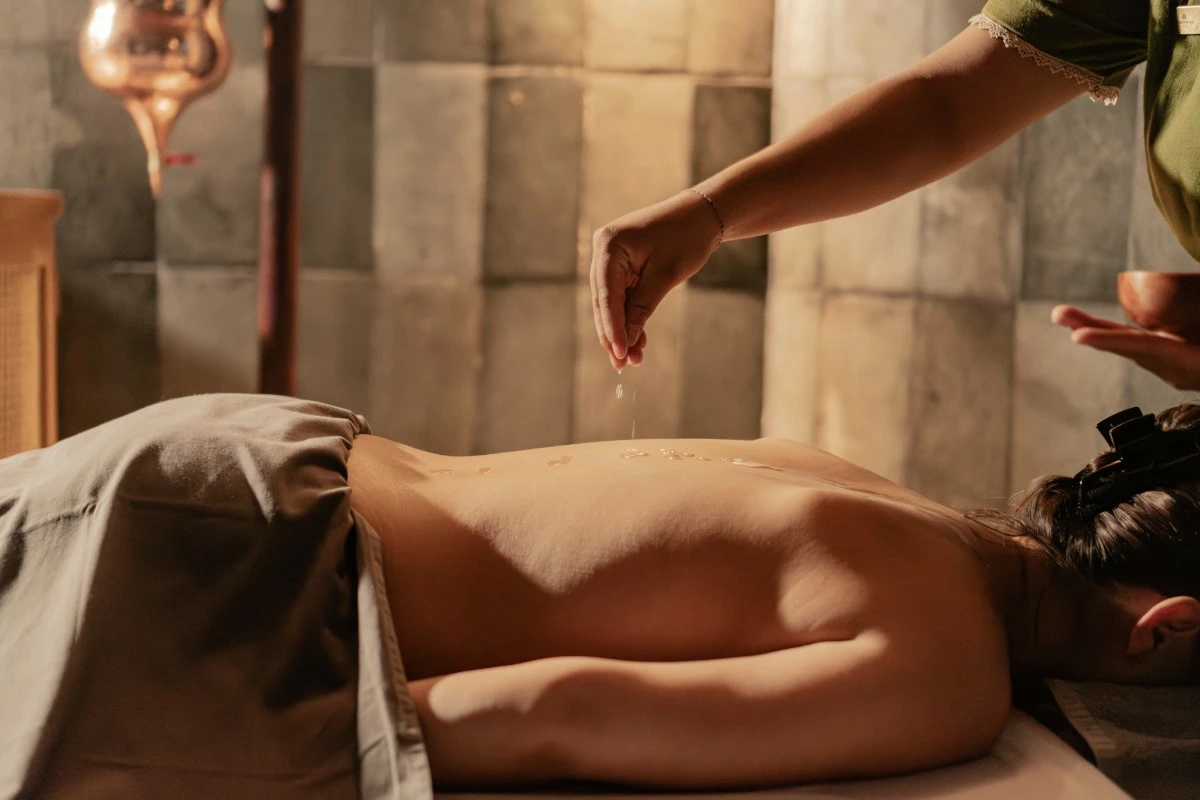
Balinese massage uses firm but gentle pressure to relax tight muscles, while singing bowl sounds add a calming sensory element. The massage helps ease physical tension, and the sound vibrations may support deeper relaxation during the treatment.
Together, they can leave the body feeling lighter and the mind more settled after the session.
Hammam Rituals
A hammam ritual combines warm steam, cleansing, and exfoliation with the relaxing atmosphere of a sound bath. The heat helps loosen the muscles and makes it easier for the body to unwind before the sound healing begins.
This combination creates a soothing head-to-toe experience that supports both physical comfort and mental calm.
Yoga and Breathwork
Yoga and breathwork pair naturally with sound healing. Gentle movement and controlled breathing help slow down a busy mind, while the sounds of gongs or singing bowls make it easier to stay present.
This combination can create a deeper and more focused meditation experience, especially for people who find it difficult to relax in silence.
Spa Wellness Journeys
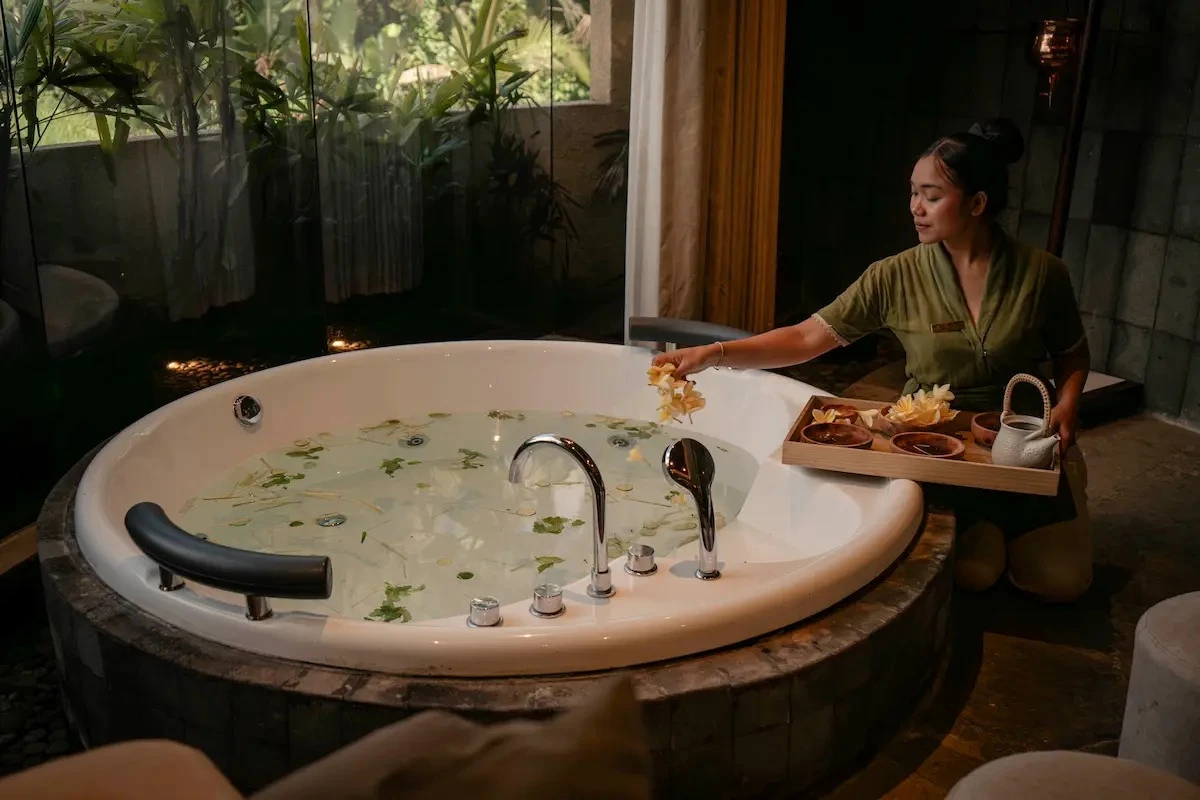
A spa wellness journey may combine treatments such as a body scrub, flower or herbal bath, massage, and a closing sound healing session. Each step is arranged to gradually relax the body and calm the senses.
The result is a complete wellness experience that supports physical relaxation, refreshed skin, and a greater sense of inner balance.
Tips for Choosing a Sound Healing Experience in Bali
- Choose Between a Group or Private Session
A group sound bath is a good choice for beginners or travelers looking for a more affordable experience. Sharing the session with other participants can also create a calm and supportive atmosphere.
A private session is better if you prefer more privacy, feel highly stressed, or want the experience adjusted to your personal comfort and wellness goals. - Consider the Setting
The location can shape the overall experience. Holistic studios, acoustic spaces, and open-air venues surrounded by Ubud’s rice fields often feel more immersive and meditative.
For a more complete wellness day, choose a spa or resort that combines sound healing with massage, water therapy, or a hammam ritual. - Check the Facilitator’s Experience
Look for a session led by an experienced or properly trained facilitator. A good practitioner should know how to use the instruments safely, guide the session at a comfortable pace, and support participants if strong emotions come up. - Match the Duration to Your Schedule
A standard session usually lasts around 60 to 90 minutes, making it easy to fit between sightseeing or other activities.
A half-day or full-day retreat is more suitable when relaxation and recovery are the main focus of your Bali trip. - Prioritize Physical Comfort
Choose a venue that provides a comfortable mat, neck support, and a blanket. Since you may be lying down for most of the session, proper support can make it much easier to relax fully.
Finding Greater Balance Through Sound Healing
For travelers looking for a more private and luxurious sound healing experience, Hammana Spa stands out as one of the best options in Ubud. Its peaceful Kenderan setting, holistic treatments, and combination of sound therapy, hammam rituals, and body relaxation create a complete wellness journey for both physical and emotional calm.
Experience a deeper sense of balance and relaxation by booking your sound healing journey at Hammana Spa Ubud. Reserve your session and discover a more mindful way to unwind in the heart of Bali.