If you’re looking for a relaxation experience that goes beyond the usual, a Moroccan hammam might just be what your body has been asking for. This traditional treatment from the Maghreb region has been practiced for centuries, and the benefits it offers go far beyond simple relaxation.
In a single session, it works to exfoliate dead skin cells, deeply cleanse the skin, improve blood circulation, detoxify the body, and ease muscle tension. If you’ve been curious about this ancient ritual and what it can actually do for you, this article will walk you through everything.
The Origins of the Moroccan Hammam
Moroccan hammam is a traditional Moroccan steam bath that has been around for hundreds of years. The practice combines steam bathing, exfoliation, and relaxation in one session, using black Moroccan soap known as beldi soap and a kessa glove to deeply cleanse and detoxify the skin.
Historically, the Moroccan hammam ritual traces its roots back to Roman and Byzantine bathing traditions, which were later adapted by Arab civilisations in the 7th century alongside the spread of Islam. What began as a space for ritual purification, such as wudu and obligatory ghusl, gradually evolved into a central part of social life and beauty care, a role it continues to hold today.
The Romans introduced public bathing complexes across North Africa, with sites like Hammam Essalihine, also known as Aquae Flavianae in ancient Algeria, laying the early foundations for the bathing culture that would later flourish in Morocco. When Arab civilisations arrived in the 7th century, these traditions were reshaped in alignment with Islamic values, placing equal emphasis on cleanliness and spiritual purity.
At a time when most Moroccan homes had no private bathrooms, public hammams were built in nearly every neighbourhood, serving not just as bathing facilities but as gathering places where residents came together to socialise and exchange news.
What Happens During a Traditional Moroccan Hammam
Moroccan hammam takes you through a full traditional bathing ritual built around deep detoxification and exfoliation. Here’s what the experience actually looks like, step by step:
- Warming up: You start by settling into a steam-filled room for around 10 to 15 minutes. The warmth eases your muscles and opens your pores, preparing your body for everything that follows.
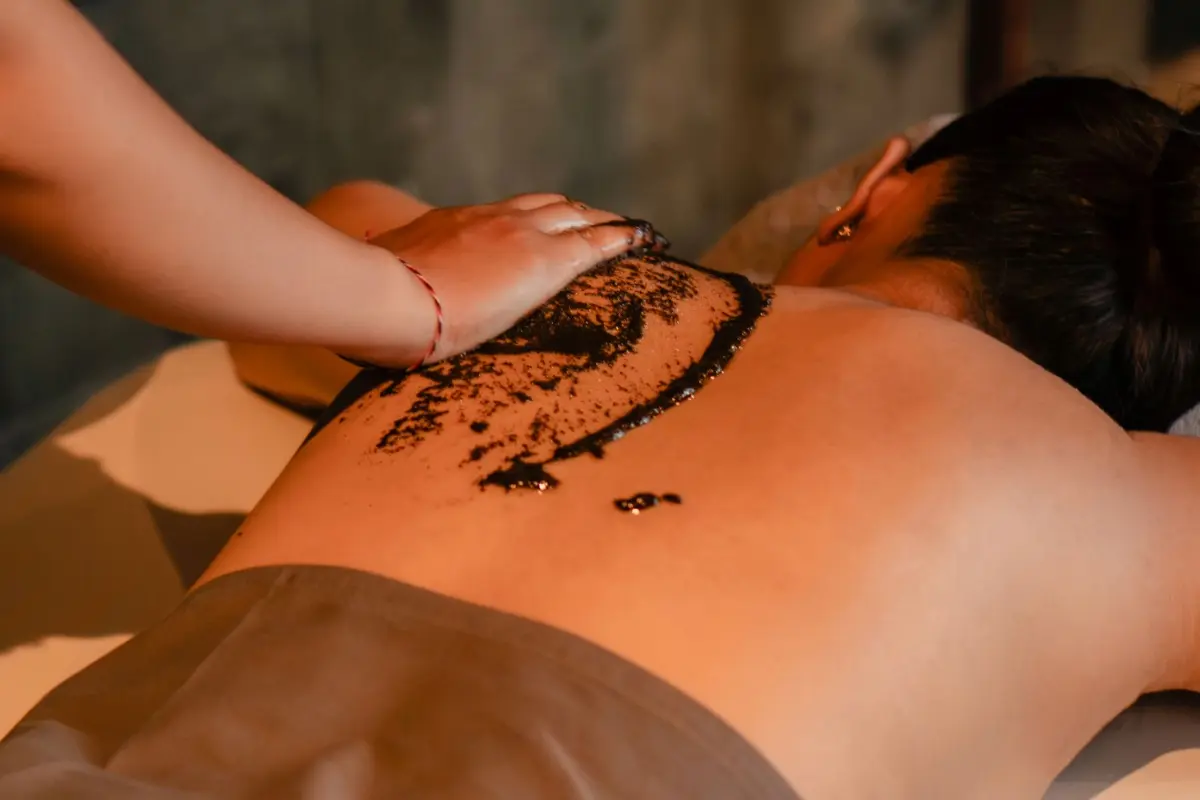
- Black soap application: Your therapist coats your body in beldi soap, a thick, deeply nourishing black soap made from olive oil and eucalyptus. It’s left on the skin to fully absorb and soften before the next step.
- Exfoliation: This is where things get satisfying. Using a kessa mitt, your therapist firmly works across your entire body, visibly lifting away dead skin cells and leaving your skin noticeably smoother.
- Rinse and mask: Once rinsed, a layer of rhassoul clay is applied, sourced from the mineral-rich Atlas Mountains. It draws out impurities, nourishes the skin, and gets rinsed away to reveal a fresh, clean layer underneath.
- Massage and hydration: The session winds down with an argan oil massage to lock in moisture, followed by a warm cup of traditional tea to rehydrate and bring you gently back to the world.
The Ingredients Behind the Results
A Moroccan hammam session relies on four key ingredients and tools, each playing a specific role in delivering that deep cleanse and lasting relaxation:
- Moroccan black soap (Savon Beldi): A unique gel-textured soap made from olive oil and crushed olive paste. It works to soften the skin and prepare the pores before the exfoliation process begins.
- Ghassoul clay (Rhassoul): A mineral-rich clay mask sourced from the Atlas Mountains. It draws out impurities, deeply cleanses the pores, and nourishes the skin all at the same time.
- Kessa mitt: A rough-textured scrubbing glove made from coarse fibres, used to thoroughly remove dead skin cells after the black soap has done its work.
- Argan oil: A plant-based oil packed with antioxidants and vitamin E, applied in the final step to deeply moisturise, lock in hydration, and leave your skin feeling calm and smooth.
The Benefits of a Moroccan Hammam
Moroccan hammam offers more than just a moment of relaxation. Here are some of the key benefits:
- Deep exfoliation that lifts away dead skin cells, leaving your skin visibly brighter, smoother, and naturally glowing.
- Opens up the pores to draw out toxins and impurities from deep within the skin.
- Melts away stress, soothes sore muscles, and leaves your body feeling lighter as blood circulation improves.
Moroccan Hammam Versus Other Treatments You Might Already Know
With so many relaxation treatments out there, the Moroccan hammam is one that often flies under the radar. Yet what it offers is just as impressive as some of the most popular treatments around.
Here’s how Moroccan hammam compares to a few other well-known options:
Moroccan Hammam vs Turkish Hammam
Both share the same ancient roots, but the experience feels quite different. Moroccan hammam takes a gentler, more nourishing approach, using ingredients like beldi soap, rhassoul clay, and argan oil to leave your skin healthier and deeply relaxed. Turkish hammam, on the other hand, leans toward a more vigorous full-body scrub on a heated marble slab, with less focus on skincare ingredients.
Moroccan Hammam vs Balinese Massage
Balinese massage and Moroccan hammam are two completely different experiences. Balinese massage works deeply into the muscles using long strokes, acupressure, and aromatherapy oils to release tension and improve circulation.
Moroccan hammam takes a different direction entirely, focusing on cleansing and renewing the skin from the outside in. If muscle relief is what you need, Balinese massage is the answer. But if you’re looking for glowing, deeply cleansed, and relaxed skin, Moroccan hammam is the better pick.
Moroccan Hammam vs Sauna or Steam Room
While both use steam and heat to promote sweating and open up the pores, the two experiences are quite different. Moroccan hammam takes a far more comprehensive approach, pairing steam with active exfoliation, deep cleansing, and skin nourishment for a treatment that benefits both the body and the skin. A sauna or steam room, by contrast, is largely a passive experience where you simply sit and let the heat do its work.
How to Prepare for Your First Moroccan Hammam
Before You Arrive
- Avoid shaving or waxing at least 24 to 48 hours before your session to prevent skin irritation.
- Skip your usual body lotion, perfume, or oils so your pores can open up fully during the treatment.
- Keep your meal light before the session, so you stay comfortable throughout.
What to Bring
- A spare pair of underwear, as you’ll be asked to undress during the treatment, though the spa will guide you on what to wear.
- Your favourite body moisturiser to apply after the session.
What to Do After a Hammam Session
- Drink plenty of water or herbal tea to replenish fluids lost during the steam process.
- Apply body oil or lotion while your skin is still damp so it absorbs better and stays extra soft.
- Take advantage of this moment to apply your best serum or face moisturiser as your skin is more receptive to nutrients right after the treatment.
- Rest for 15 to 30 minutes, lying down or sitting quietly, to let your nervous system fully settle after the session.
- Wear loose, breathable cotton clothing to avoid irritating your freshly treated skin.
- Hold off on intense exercise or heavy physical activity for a few hours so your pores can fully recover.
Experiencing a Moroccan Hammam in Bali
Bali is widely known as a wellness hub, offering a wide range of relaxation treatments that can be tailored to what your body needs and the kind of experience you’re looking for, including the Moroccan hammam.
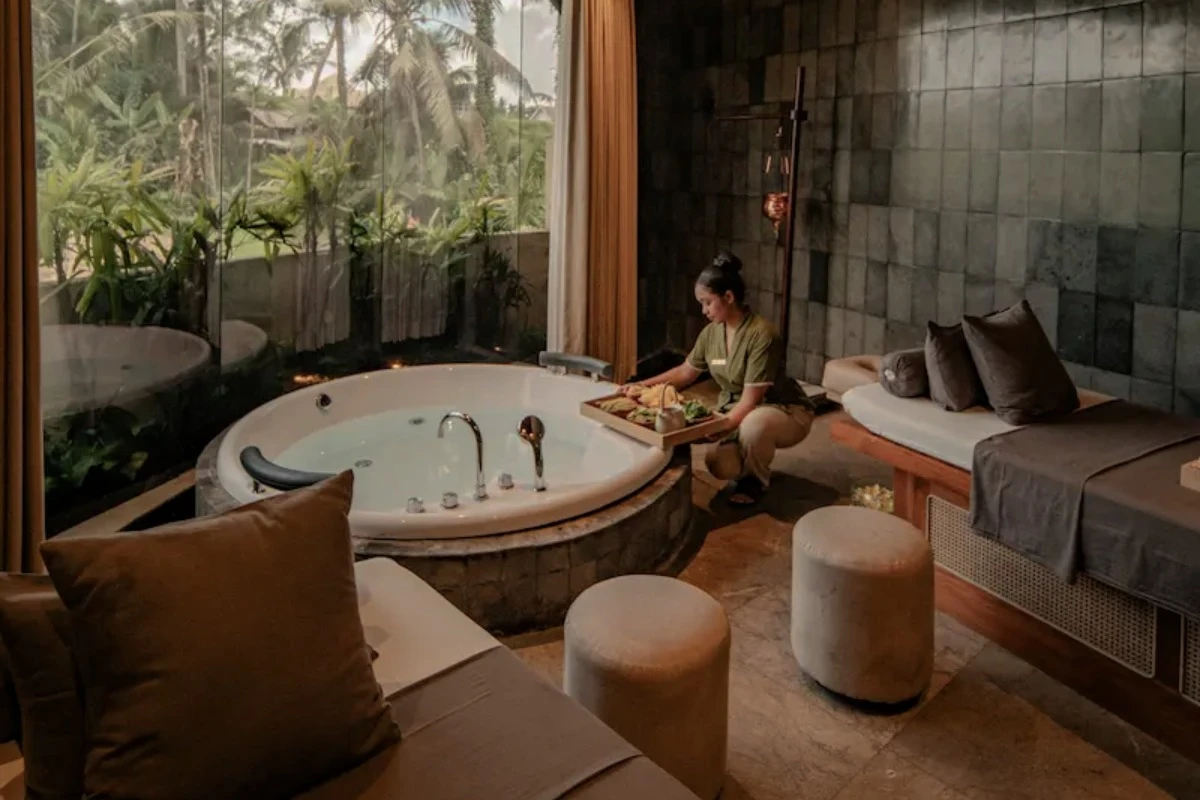
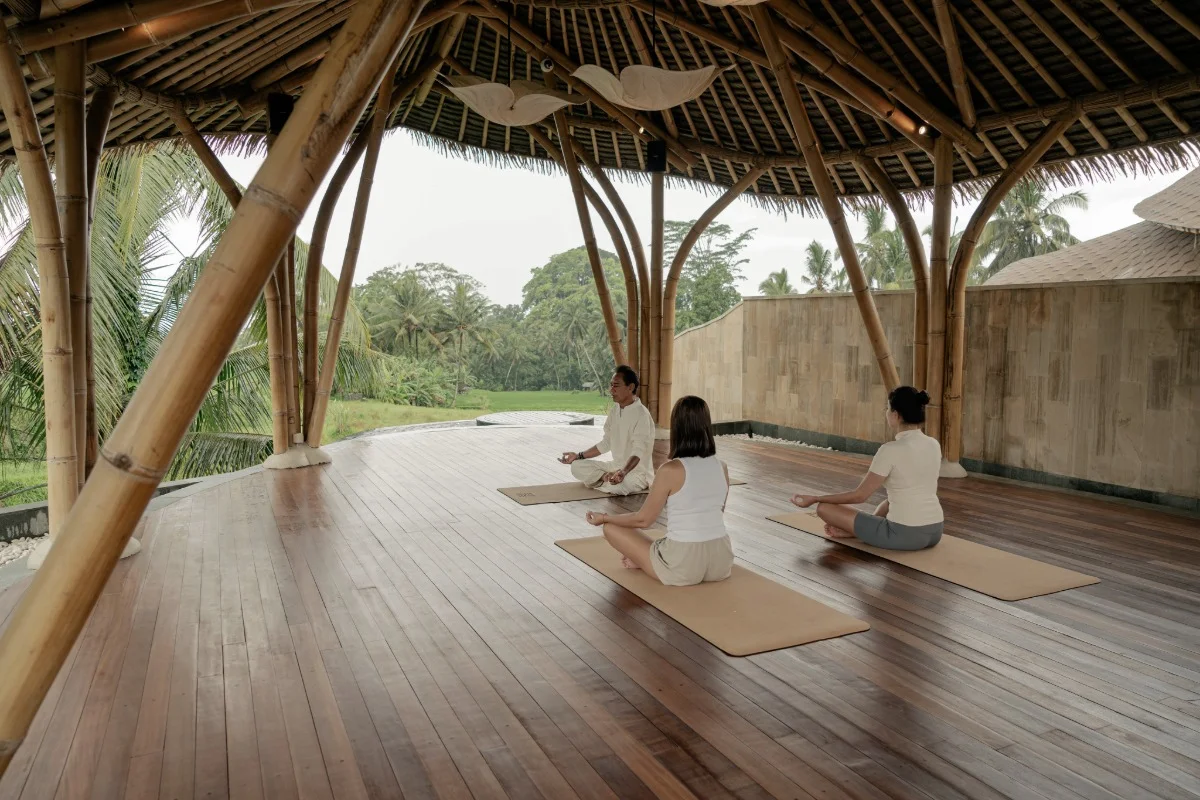
If you’re keen to try this traditional Moroccan bathing ritual, Hammana Spa Ubud is one of the best places to experience it. Set within Equipoise Resort in Ubud, surrounded by lush tropical forest that feels naturally calming and restorative, this luxury spa brings together the ancient hammam tradition with the holistic healing wisdom of Wariga Bali Wellness for an experience that feels truly one of a kind.
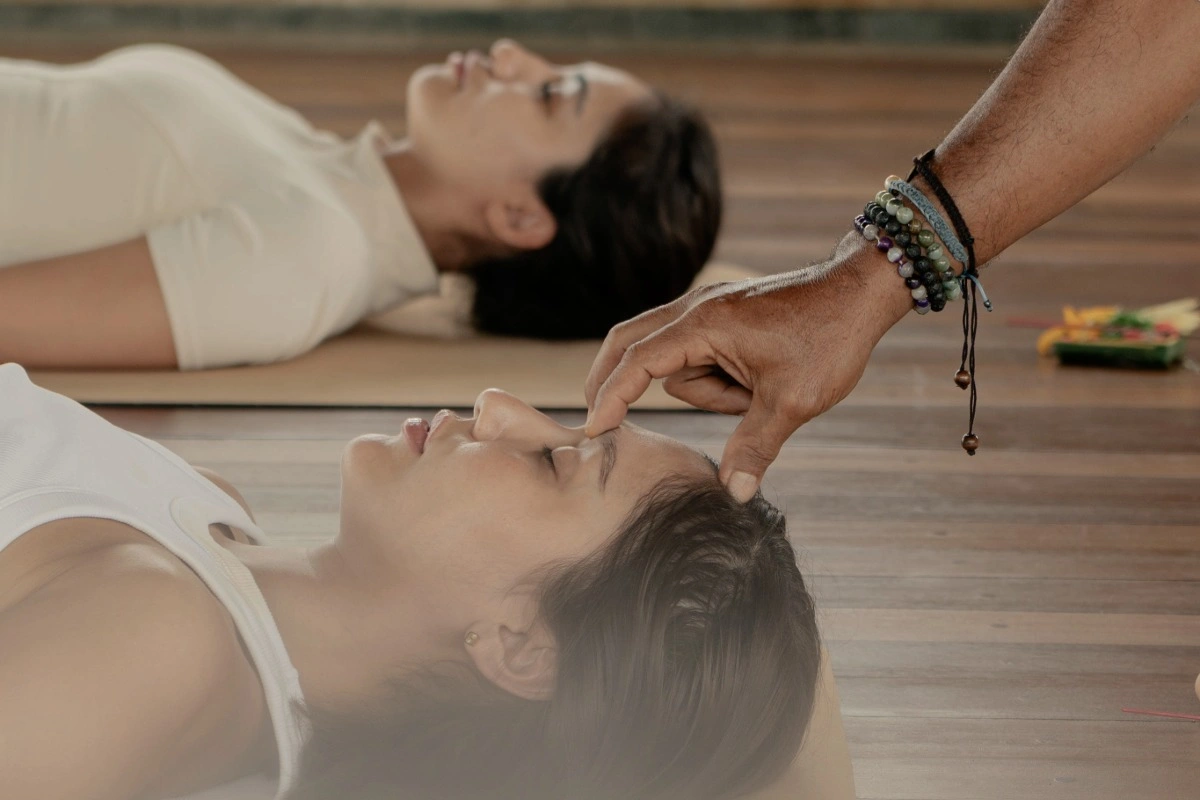
At Hammana Spa, every detail of your visit is thoughtfully curated. Before your treatment begins, you’ll be guided through the Wariga Bali Wellness system, a personalised approach rooted in Balinese Life Path philosophy, to determine the treatments, scents, and rituals that are most aligned with your needs.
Open every day from 10 am to 9 pm, Hammana Spa is ready to take you through an unforgettable journey of relaxation and deep cleansing, guided by professional therapists in a five-star setting.
Why the Moroccan Hammam Remains Relevant Today
Centuries old yet still as relevant as ever, the Moroccan hammam continues to stand the test of time. With its wealth of benefits and deeply calming treatment process, a single session gives you more than just relaxation; it deeply cleanses, exfoliates, and nourishes your skin all at once.
Hammana Spa is the place to experience all of that in Bali. With skilled therapists, five-star facilities, and service that genuinely impresses, you’ll be guided into a state of deep cleansing and relaxation that stays with you long after you leave. Reserve your session now and feel the difference for yourself.