Holistic wellness is an approach to health that looks at the whole person, including physical, mental, emotional, and lifestyle well-being. It goes beyond spa treatments by focusing on creating a healthy balance between the body and mind through positive habits and sustainable wellness practices.
This article will help you understand what holistic wellness means, how it differs from self-care and general health, and how it can support your overall well-being. Here is holistic wellness explained simply, with a focus on caring for the body and mind together.
Why Holistic Wellness Means More Than Relaxation?
Holistic wellness is more than simply relaxing or taking a break from stress. It is a long-term approach to creating balance between your body, mind, emotions, lifestyle, and the environment around you.
Activities like a massage or spa day can be helpful forms of self-care, but their effects may only last for a short time. Holistic health looks deeper by helping you understand the possible causes of imbalance and build healthier habits that support lasting well-being.
Here is why holistic wellness goes beyond relaxation:
- Supporting Every Part of Your Well-Being: Holistic wellness considers physical health, mental wellness, emotional strength, and spiritual balance rather than focusing on only one area.
- Focusing on Prevention: Instead of waiting until stress becomes overwhelming, this approach encourages healthy daily habits such as balanced meals, regular movement, quality sleep, and proper rest.
- Understanding the Root Cause: Relaxation may ease stress for a while, while holistic health helps you recognize the habits, thoughts, or lifestyle patterns that may be causing it.
- Strengthening the Mind Body Connection: Practicing mindfulness helps you notice signals from your body and emotions earlier, allowing you to respond before stress leads to exhaustion or burnout.
Common Misconceptions That Keep People From Trying It
Many people hesitate to begin their wellness journey because of common myths about holistic wellness. In reality, most of these beliefs are not true and may stop people from discovering simple ways to improve their overall health.
Here are some common misconceptions about holistic wellness:
- It Is Too Expensive or Luxurious: Some people believe holistic healing always involves luxury resorts, costly retreats, or high-end spa treatments. However, it can begin with affordable daily habits such as eating balanced meals, getting enough sleep, staying active, and managing stress.
- It Is Only About Mysticism: Holistic wellness is sometimes linked only to spiritual or unusual practices. In fact, many of its principles are connected to modern health research, including the benefits of meditation, stress management, and digestive health for emotional wellness.
- It Takes Too Much Time: You do not need to completely change your lifestyle overnight. A wellness journey can begin with small and realistic steps, such as taking short breaks, improving your sleep routine, or adding more movement to your day.
- It Is Only for People Who Are Sick: Holistic healing is not only used to deal with existing health problems. It can also support prevention by helping you maintain emotional wellness, physical wellness, and a healthier balance between your body and mind.
The Core Elements That Make a Wellness Practice Truly Holistic
To understand what is holistic wellness, it helps to look at how different areas of life work together. A practice is truly holistic when it supports physical health, mental and emotional balance, and a deeper sense of inner calm.
This holistic approach to health focuses on the whole person rather than treating each concern separately. It is about creating a holistic lifestyle that supports lasting balance and overall well-being.
Physical Renewal Through Movement and Touch
Physical wellness is an important part of whole person wellness. The body needs regular movement, proper rest, and healthy ways to release tension.
- Movement and Exercise: Activities such as yoga, stretching, walking, or regular exercise can improve circulation, support flexibility, and help the body feel stronger.
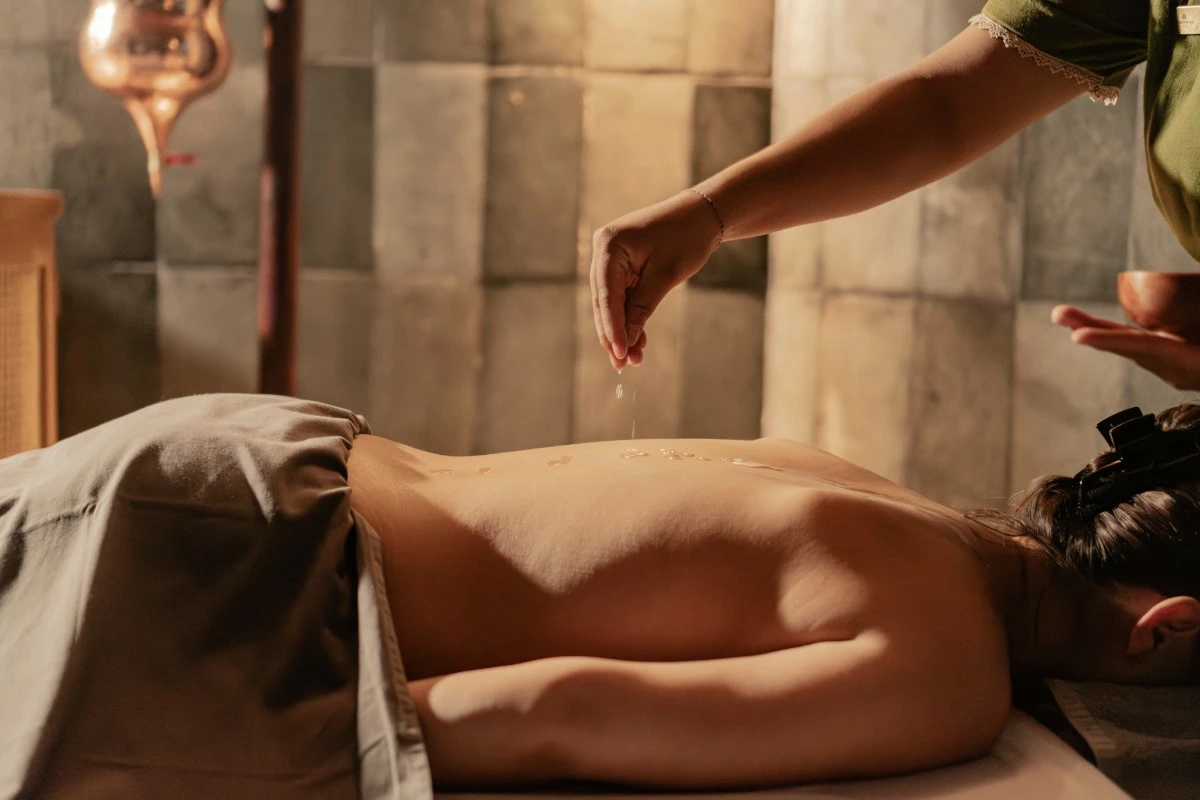
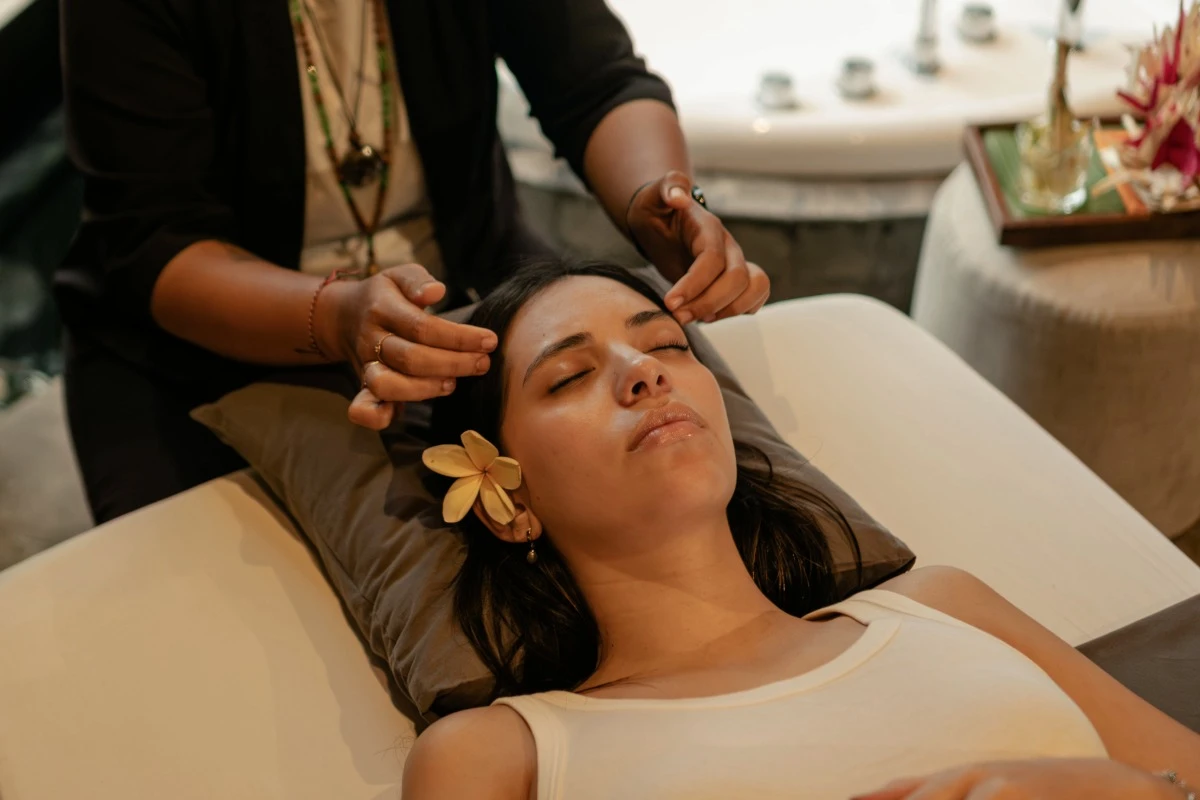
- Healing Through Touch: Massage, bodywork, and physical therapy may help ease muscle tension, reduce stress, and support the body’s natural recovery process. These treatments are often an important part of holistic healing Bali experiences.
Mental and Emotional Balance
Physical health is closely connected to your thoughts and emotions. When stress is left unmanaged, it can affect energy levels, sleep quality, focus, and overall health.
- Managing Stress: Simple practices such as meditation, breathing exercises, and journaling can help you process emotions and feel more balanced.
- Building Mental Strength: Learning to respond calmly to challenges and taking regular breaks from negative news or digital distractions can help maintain a clearer and healthier mindset.
Spiritual and Sensory Alignment
This part of holistic wellness does not always relate to religion. It is more about connecting with yourself, your surroundings, and the things that give your life meaning.
- Connecting with Nature: Sensory grounding practices, such as walking barefoot on grass, breathing in natural scents, or listening to birds and flowing water, can help bring your attention back to the present moment.
- Finding Inner Calm: Making time for reflection, gratitude, and quiet moments can help you feel more peaceful, even during a busy day.
Together, these elements create better mind-body wellness by supporting physical strength, emotional balance, mental clarity, and inner harmony.
Holistic Wellness Compared With Self-Care and Integrative Health
Although holistic wellness, self-care, and integrative health are often used in the same conversation, they have different purposes and approaches to well-being.
- Holistic Wellness vs. Self-Care
Holistic wellness is a broader lifestyle approach that looks at the whole person. It considers how physical, mental, emotional, spiritual, and environmental health are connected and influence one another.
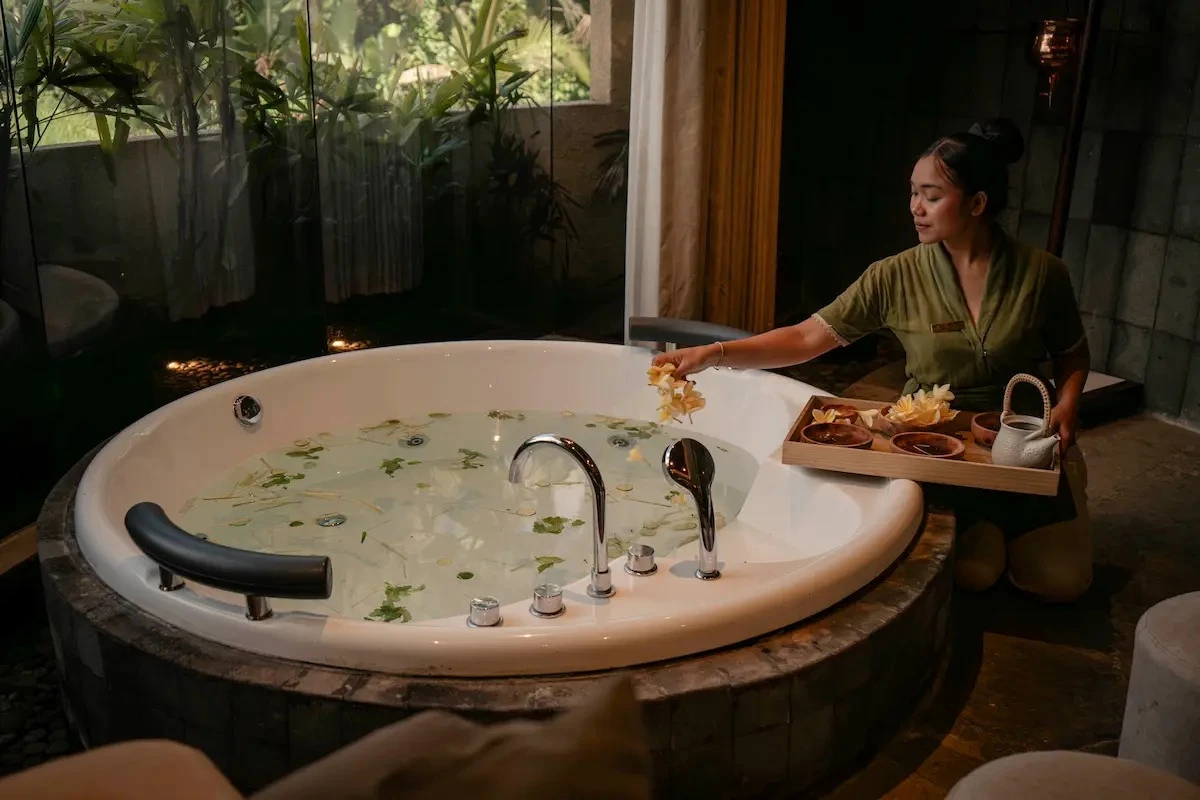
Self-care, on the other hand, refers to the specific actions you take to support your health and manage everyday stress. These actions may include taking a warm bath, reading a book, exercising, or getting enough sleep.
Simply put, holistic wellness is the overall roadmap, while self-care is one of the daily steps along the way. Regular self-care activities are part of wider holistic wellness practices that support long-term mind-body balance. - Holistic Wellness vs. Integrative Health
Integrative health is a medical approach that combines conventional treatments, such as medication, specialist care, or surgery, with complementary therapies like acupuncture, chiropractic care, or nutritional support. Its main focus is providing patient-centered clinical care.
Holistic wellness focuses more on everyday lifestyle choices and prevention outside a medical setting. It encourages habits such as balanced eating, regular movement, proper sleep, mindfulness, and stress management before serious health concerns develop.
For example, someone managing a long-term health condition may use integrative wellness by working with doctors and complementary therapists. At the same time, they may follow holistic wellness practices at home to support their daily health and overall balance.
A holistic wellness retreat can also introduce these habits through movement, healthy meals, relaxation, mindfulness, and other activities designed to support the body and mind together.
How Bali Expresses Holistic Wellness?
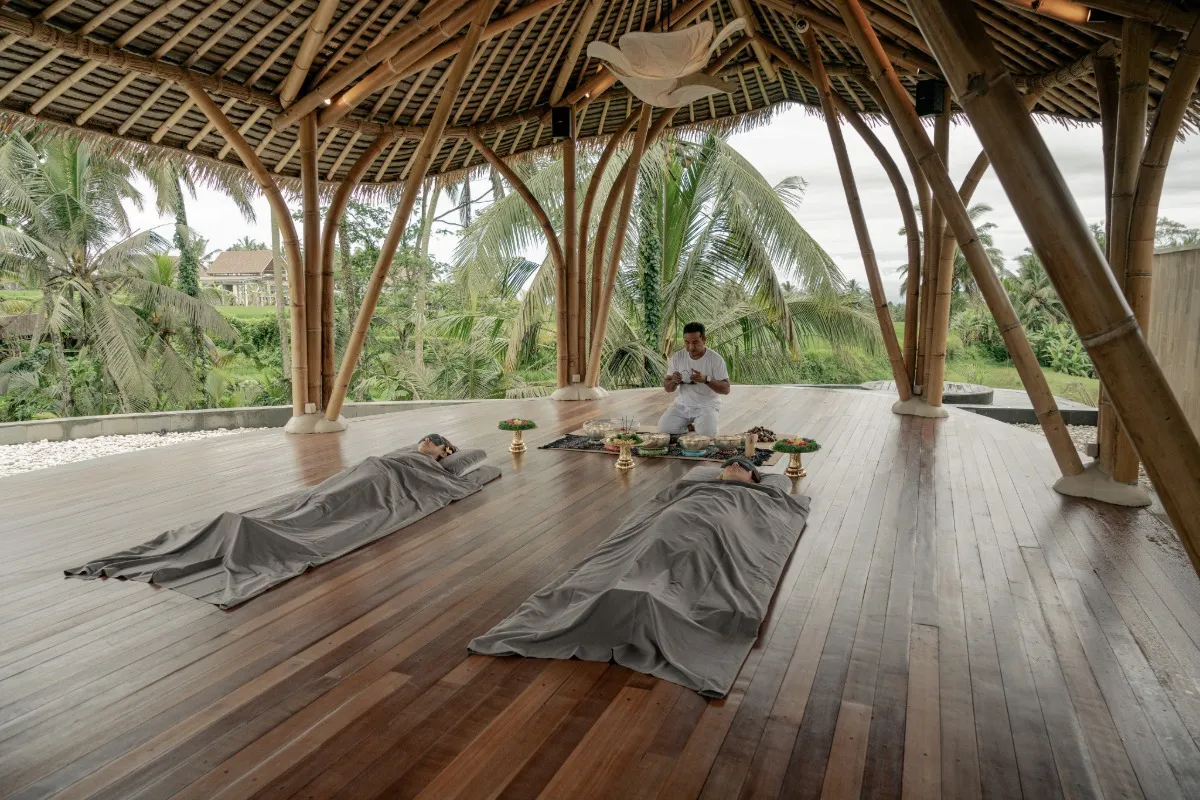
Bali is more than just a holiday destination. The island has a strong culture built around balance between people, nature, and spiritual life. This is why the holistic wellness meaning in Bali feels deeper than simply relaxing at a spa. It has long been part of local traditions and everyday life.
- Tri Hita Karana Philosophy
Tri Hita Karana is a Balinese philosophy that focuses on harmony between humans and God, relationships with other people, and the natural environment. This balance plays an important role in supporting overall body and mind wellness. - Traditional Healing Through Usada Bali
Usada Bali is a traditional healing practice that uses herbs, spices, natural oils, and remedies passed down through generations. These treatments are often guided by a Balian, or traditional Balinese healer, to help restore physical energy and emotional balance. - Self-Cleansing Through Melukat
Melukat is a traditional purification ritual using holy water from temples or natural springs. Many people take part in this ritual to clear the mind, release emotional stress, and create a fresh sense of inner calm. - Connecting with Nature and Movement
Bali also offers many ways to support body and mind wellness through nature. Yoga, outdoor meditation, mindful movement, and spa treatments using local natural ingredients allow people to slow down and reconnect with themselves.
Together, these traditions show that holistic wellness in Bali is not simply a modern lifestyle trend. It is a way of living that values balance, connection, and harmony between the body, mind, spirit, and natural surroundings.
Daily Habits That Support Holistic Wellness
You do not need to live in Bali or completely change your lifestyle to enjoy the benefits of holistic wellness. Small and consistent habits can make a meaningful difference to your overall well-being.
- Choose More Whole Foods
Try to eat fresh, nutritious, and minimally processed foods whenever possible. A balanced diet can support steady energy, healthy digestion, and better overall health. - Create a Healthy Sleep Routine
Go to bed at a similar time each night and reduce screen use before sleeping. Quality rest gives your body and mind time to recover and recharge. - Practice Mindfulness and Deep Breathing
Set aside five to ten minutes each day to sit quietly, meditate, or take slow, deep breaths. This simple habit can help calm your nervous system and reduce daily stress. - Move Your Body Regularly
Choose physical activities that you genuinely enjoy, such as walking, stretching, yoga, or light exercise. The goal is to stay active consistently without pushing your body too hard. - Take Regular Digital Breaks
Spend some time away from social media, phones, and other electronic devices. A simple digital detox can help you reconnect with your surroundings, spend quality time with others, and become more present with yourself.
Planning Your Holistic Wellness Treatment at Hammana Spa
Visiting Hammana Spa is more than simply getting a massage. It is a holistic healing experience designed to help restore balance between your body and mind. To make the most of your visit, here are a few simple steps to prepare:
- Understand What You Need
Before booking, think about what your body and mind need most. You may want to ease tired muscles, reduce stress, restore energy, or simply enjoy a quiet moment to recharge. - Choose the Right Treatment
Speak with the therapist at Hammana Spa to find a treatment that suits your needs. This may include a therapeutic massage, natural aromatherapy, or a calming treatment designed to help you relax mentally and physically. - Arrive a Little Early
Try to arrive around 15–20 minutes before your appointment. This gives you enough time to settle in, enjoy the peaceful atmosphere, and complete your consultation without feeling rushed. - Take a Break from Your Phone
Turn off your phone or place it on silent while you are in the spa. Stepping away from digital distractions allows your mind to fully relax and focus on the experience. - Hydrate and Rest Afterwards
Drink enough water after your treatment and give your body some time to rest. Avoid intense exercise or busy activities immediately afterwards so you can continue enjoying the calming effects of the session.
Frequently Asked Questions About Holistic Wellness
- Can Holistic Wellness Replace Conventional Medical Treatment?
No. Holistic wellness should support conventional medical care, not replace it. If you have an ongoing health condition, a serious illness, or sudden symptoms, speak with a qualified medical doctor first. - How Long Does It Take to Feel the Benefits?
Some benefits, such as feeling calmer, sleeping better, or having less muscle tension, may be noticed after one session. However, long-term improvements usually come from following healthy habits consistently for several weeks or months. - Do I Need to Completely Change My Lifestyle?
Not at all. Holistic wellness is about making realistic and sustainable changes. You can begin with simple habits, such as drinking more water, improving your sleep routine, taking a short daily walk, or spending a few minutes practicing mindfulness. - Is Holistic Wellness Safe for Everyone?
Holistic wellness is generally safe when practices are chosen carefully. However, massage, herbal remedies, intense exercise, and certain therapies may not be suitable for everyone. Pregnant women, people with injuries, and those with existing medical conditions should consult a doctor or qualified professional before starting.
Carrying This Sense of Balance Beyond Your Trip
Holistic wellness is about creating lasting balance between the body, mind, emotions, and daily lifestyle. For travelers looking for a more meaningful wellness experience in Ubud, Hammana Spa is a strong choice, offering treatments designed to support relaxation, physical renewal, and a calmer state of mind.
Begin your holistic wellness journey with a treatment tailored to your personal needs. Book your experience at Hammana Spa and take time to reconnect, recharge, and restore balance during your stay in Ubud.