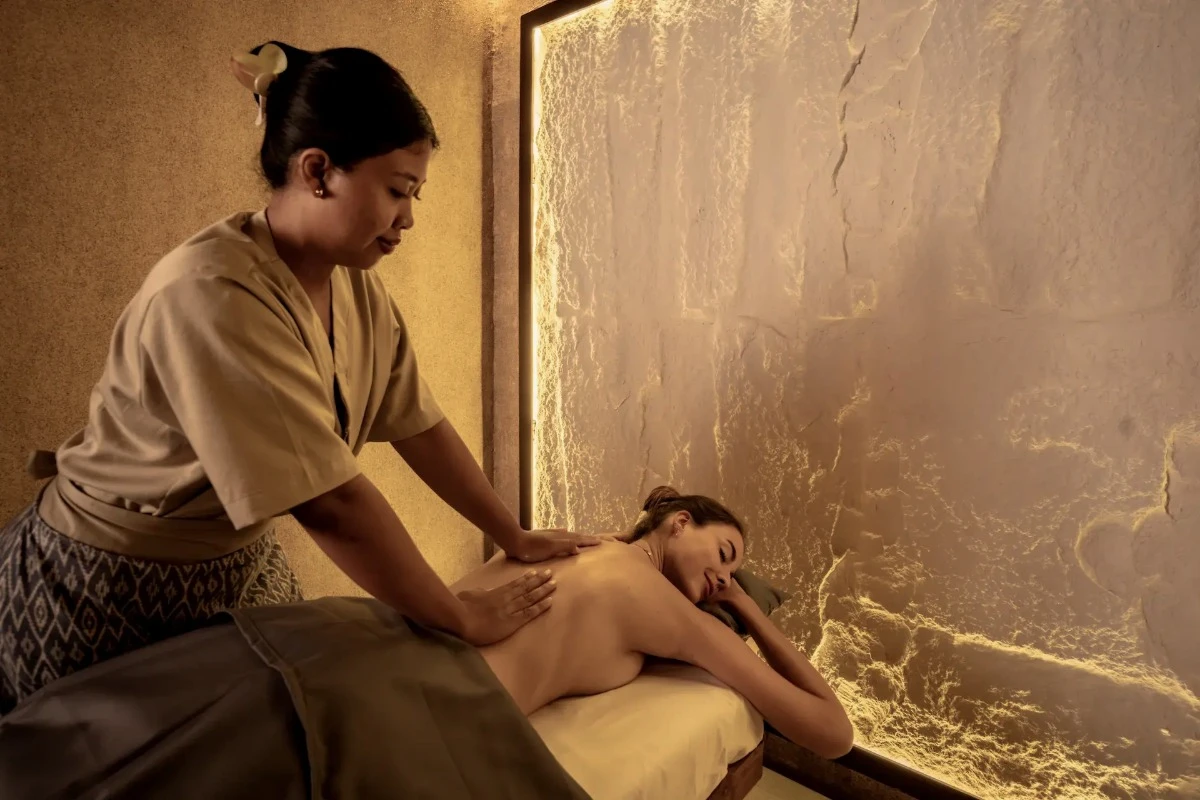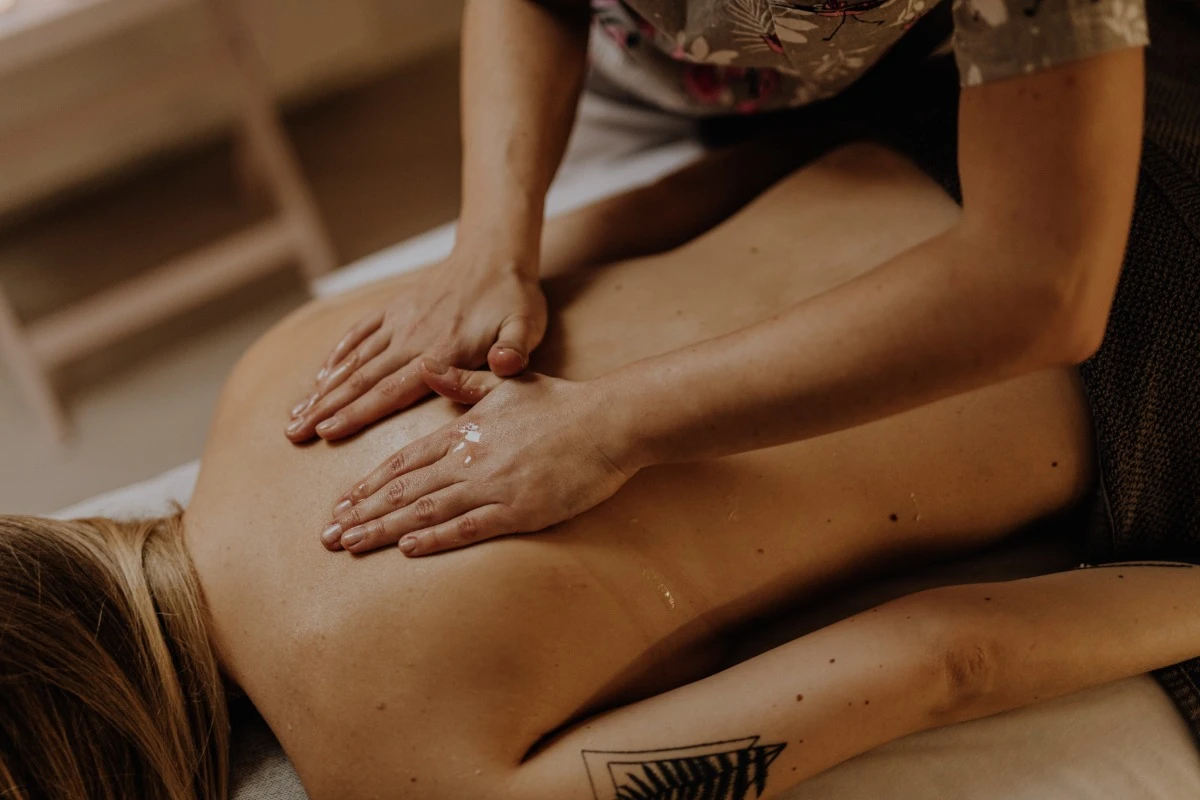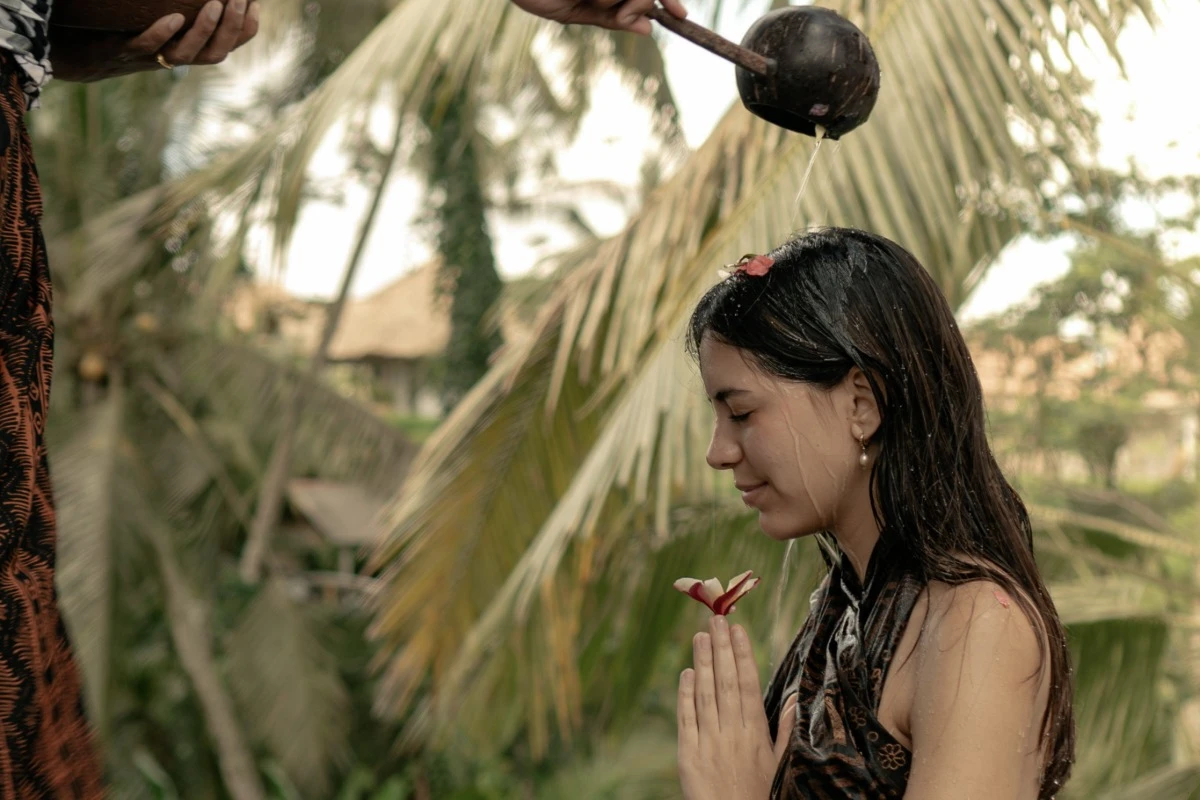
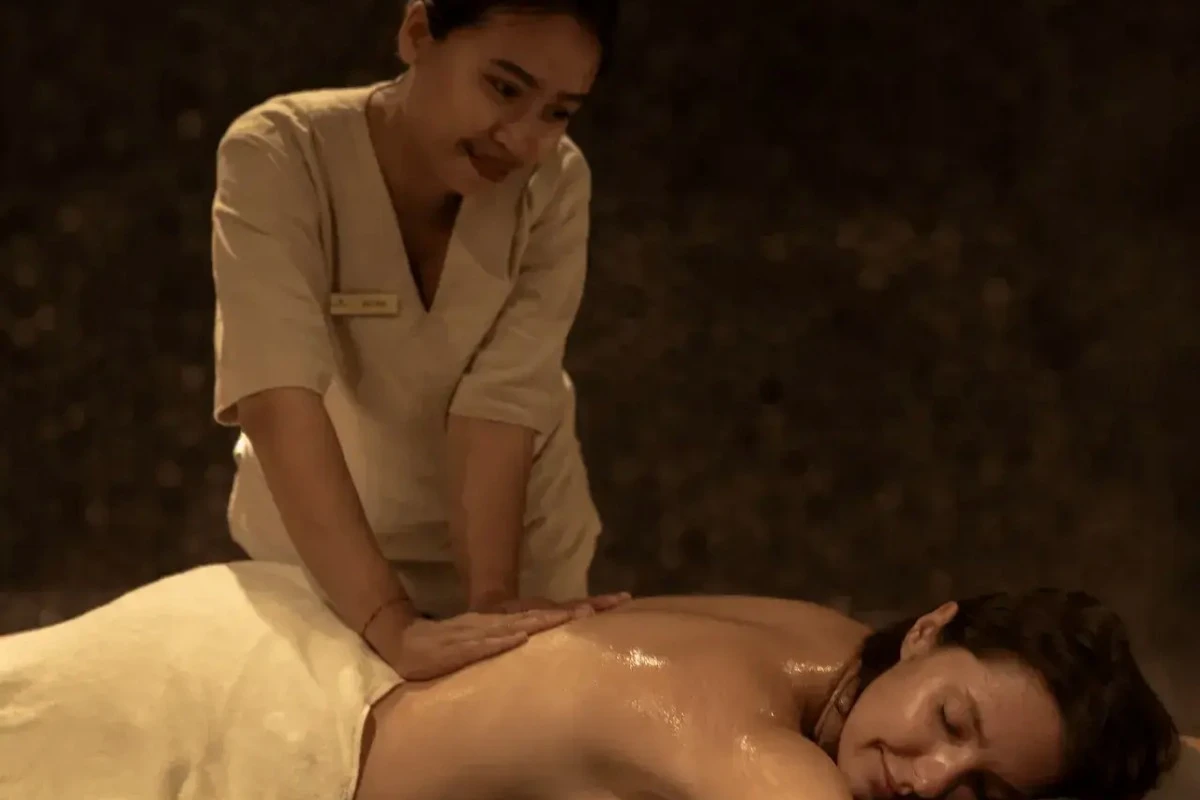
Balinese massage vs Thai massage offers a choice between two different ways to unwind, yet both help ease muscle tension. The Balinese style uses aromatic oils, long strokes, skin rolling, and acupressure on a bed for a gentler feel, while the Thai version is oil-free and done fully clothed on a floor mat, combining pressure along energy lines with assisted, yoga-like stretches.
Each comes from Southeast Asia’s rich healing heritage, but they lead to relaxation in different ways. If you’re wondering which one suits you better, we’ll break down each technique, compare them side by side, and show you where to try both in Ubud.
Balinese Massage vs Thai Massage at a Glance
Before we explore each type in more detail, here is a quick look at how they compare:
| Feature | Balinese Massage | Thai Massage |
| Origin | Indonesia (Bali), influenced by Javanese, Indian, and Chinese healing traditions | Thailand (Nuad Thai, also called Nuad Boran), rooted in Indian Ayurvedic and Buddhist healing traditions |
| Setting | Performed on a massage table | Performed on a floor mat |
| Clothing | You undress and are draped with a sarong or towel, leaving skin exposed for the oil | You stay fully clothed in loose, comfortable attire |
| Use of Oil | Warm base oil blended with aromatic essential oils | No oil (dry massage) |
| Core Technique | Long flowing strokes, kneading, skin rolling, acupressure, and gentle stretches | Rhythmic pressure along energy lines (sen) combined with assisted, yoga-like stretches |
| Intensity | Gentle to firm, with a soothing and fluid rhythm | Deeper and more vigorous, which can feel intense |
| Primary Goal | Deep relaxation, stress relief, and skin nourishment | Better flexibility, joint mobility, and energy flow (often called “lazy man’s yoga”) |
What Is Balinese Massage?
Traditional Balinese massage is a healing practice from Bali that takes a holistic approach, caring for both body and mind. It helps release muscle tension, support blood circulation and lymph flow, and ease stress and anxiety. In local tradition, the treatment is also believed to restore mental clarity and energy balance.
Technique and Pressure
Balinese massage combines several techniques, including:
- Adjustable pressure: long gliding strokes and kneading, applied from soft to deep to ease tight muscles.
- Acupressure and reflexology: pressing on specific points of the body and feet, traditionally believed to improve energy flow.
- Skin rolling: lightly pinching and rolling the surface tissue to help stimulate blood circulation.
- Aromatherapy: warm base oil blended with essential oils to deepen relaxation.
Oils and Clothing
Oil is an essential part of Balinese massage because it helps each stroke move smoothly across the skin. For this reason, guests usually undress down to disposable underwear and stay covered with a sarong or towel during the treatment.
Most blends use a warm, plant-based base like coconut or jojoba, mixed with essential oils for a pleasant scent. Popular choices include frangipani, jasmine, lavender, and spices like clove and ginger.
Besides helping the massage flow, the aroma also makes the experience more relaxing. Many spas let guests choose their favorite scent, so it’s a good idea to mention any allergies beforehand to avoid ingredients that might irritate the skin.
What Is Thai Massage?
Thai massage, known locally as Nuad Thai or Nuad Boran, is a healing practice rooted in Indian Ayurveda and Buddhist teachings, and has long been taught in temples across Thailand. Along with its relaxing effect, it helps loosen stiff joints and relieve muscle tension deep within the body.
Technique and Pressure
Thai massage combines several techniques that feel more dynamic than the Balinese style, including:
- Rhythmic pressure: palms, thumbs, elbows, knees, and feet press into the muscles in a steady rhythm, with moderate to deep intensity that can be adjusted.
- Sen line work: each press follows the body’s energy lines, called sen, which are traditionally believed to carry life energy.
- Assisted stretches: arms and legs are pulled, twisted, and folded into yoga-like positions while the body stays fully relaxed.
Oils and Clothing
Unlike the Balinese style, Thai massage uses no oil at all and focuses entirely on pressure and stretching. Guests lie on a padded floor mat instead of a treatment table and stay fully clothed in loose attire provided by the spa, so there’s no need to undress.
Some spas also offer an herbal compress as an add-on. These warm bundles filled with herbs and spices like lemongrass and turmeric are pressed onto the body to help soothe sore muscles.
Side-by-Side Comparison
Balinese and Thai massage are both traditional bodywork practices that support relaxation and muscle recovery, yet each uses a different technique and setup. Beyond these basics, they also differ in the overall experience, so here is a side-by-side look at what to expect before booking a session.
Session Experience
Balinese massage feels calm and flowing, since the body simply lies still on a treatment table, and many guests fall asleep before it ends. Thai massage is more dynamic, as the body changes position for each stretch and movement, some of which can feel intense.
After-Massage Effects
Balinese massage tends to leave the body loose and sleepy, making it a great choice before bedtime or a quiet evening. Thai massage usually has the opposite effect, leaving the body lighter and more energized, though mild soreness the next day is normal after deep pressure work.
Session Length
Both are usually available in 60 or 90-minute sessions. Thai massage can also be booked for up to two hours, allowing enough time to complete the full stretching sequence.
Which Massage Fits You Best?
Comparing the two, there is no single best option, since the right choice depends on your body’s condition and the kind of relaxation you are looking for.
Balinese massage is a better fit if you have just arrived in Bali after a long flight and want to unwind, relieve stress, and rest calmly. It also suits first-timers who prefer a gentle, welcoming introduction to spa treatments.
On the other hand, Thai massage is ideal if your body feels stiff after a sunrise trek, a surf session, or other high-intensity activities. It also works well if you want to improve flexibility, loosen tight joints, enjoy stronger pressure, and prefer to stay fully clothed during the treatment.
Can You Experience Both in Ubud?
Yes, both Balinese and Thai massage are easy to find across Bali, including Ubud. However, few spas specialize in both, so it helps to know where each one is done best.
For Balinese massage, Hammana Spa at Equipoise Resort in Kenderan, just north of central Ubud, is worth adding to your itinerary. This wellness sanctuary blends traditional Balinese healing with Turkish Hammam-inspired rituals, set against the jungle and river views of the Ubud highlands.
Each Balinese ritual at Hammana is personalized through Wariga Bali Wellness, a reading based on the Balinese calendar that matches the treatment to a guest’s birth element and energy. Treatments range from 60-minute massages to 150-minute packages, and the spa is open daily from 10 am to 9 pm, with advance booking recommended.
Hammana focuses on Balinese and Hammam-inspired rituals and does not offer Thai massage. For a Thai session, many day spas in central Ubud provide it, ideally with practitioners trained in traditional Thai techniques and a proper floor mat setup.
To enjoy both on one trip, consider booking Thai massage after active days like a Batur sunrise trek or surfing, then saving a Balinese ritual for a slower day to unwind before heading home.
Frequently Asked Questions
Which is better, Balinese or Thai massage?
Neither is objectively better, since each serves a different healing goal and the right choice depends on your body’s condition and the kind of relaxation you want. Balinese massage suits those looking for a calm, soothing session with gentler pressure, while Thai massage is a better fit for deeper work and stretching after active days.
Do you wear clothes for Balinese massage?
Not entirely, since guests usually undress down to disposable underwear and stay covered with a sarong or towel, with only the area being massaged uncovered. If you prefer more coverage, most spas are happy to let you keep your own underwear on, so just mention it before the session starts.
Is a Balinese massage worth it?
A Balinese massage is worth it if you want to relieve muscle tension, relax deeply, and release stress. However, it isn’t a treatment for injuries, so anyone with a recent or ongoing injury should consult a doctor or physiotherapist first.
Choosing the Ritual That Matches Your Bali Journey
Comparing Balinese massage vs Thai massage shows that the two differ in technique, setup, and goals, yet both bring ease to body and mind. The Balinese style suits those seeking a calm, soothing session that relieves muscle tension and supports circulation, while Thai is the better choice for stubborn stiffness and a more dynamic, restorative treatment.
Ubud offers plenty of places to try both styles, and for Balinese massage, Hammana Spa at Equipoise Resort is well worth a spot on your itinerary. Every ritual is tailored through Wariga Bali Wellness, with pressure adjusted to your comfort in a serene jungle setting, so explore Hammana’s latest offers to plan your first visit.