Bali offers various massage treatments to suit different preferences, including pressure levels, massage oils, clothing requirements, and relaxation needs. Some of the most popular types of massage in Bali include traditional Balinese massage, aromatherapy, hot stone massage, deep tissue massage, Thai massage, and foot reflexology. Each treatment offers different techniques and benefits.
This article will help you understand the different types of massage in Bali and choose the one that best suits your needs and travel plans. You’ll also learn how to select the right massage pressure, what to wear, which oils to choose, and when certain treatments should be adjusted or avoided. Plus, find out how Hammana Spa in Ubud can help you choose a suitable massage treatment during your Bali holiday.
Types of Massage in Bali at a Glance
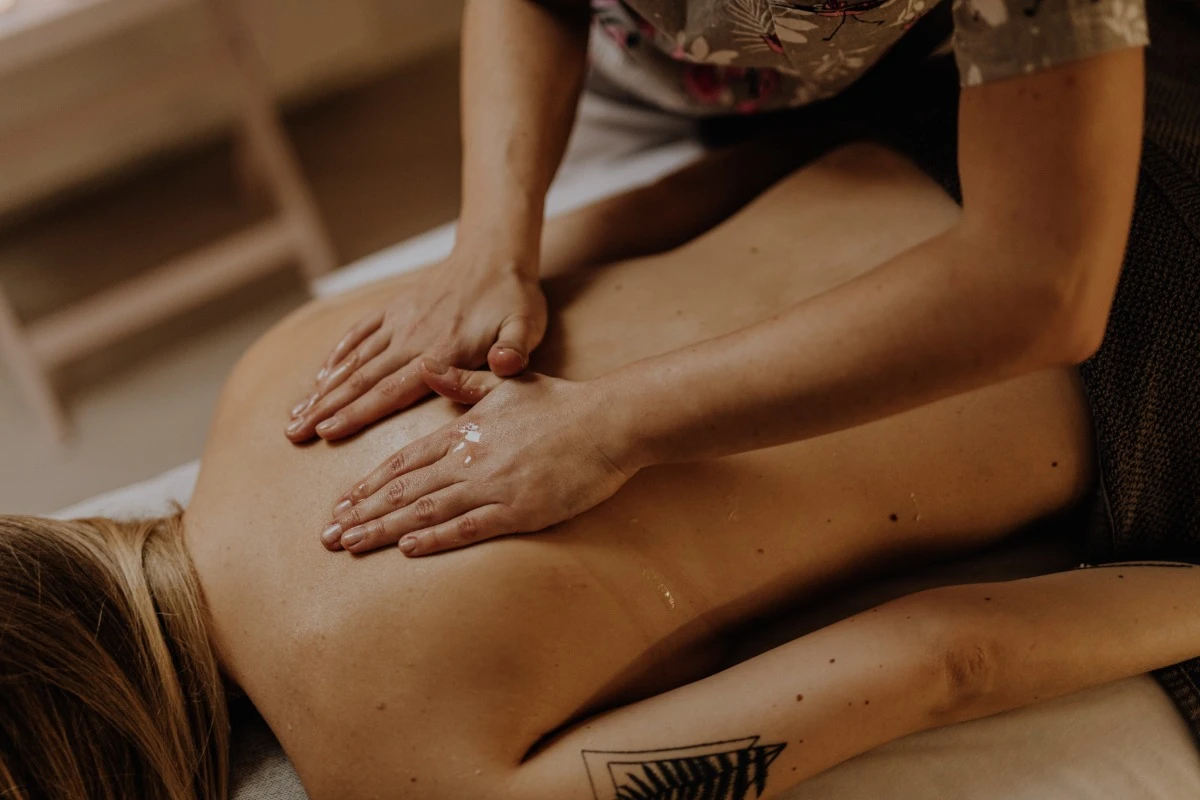
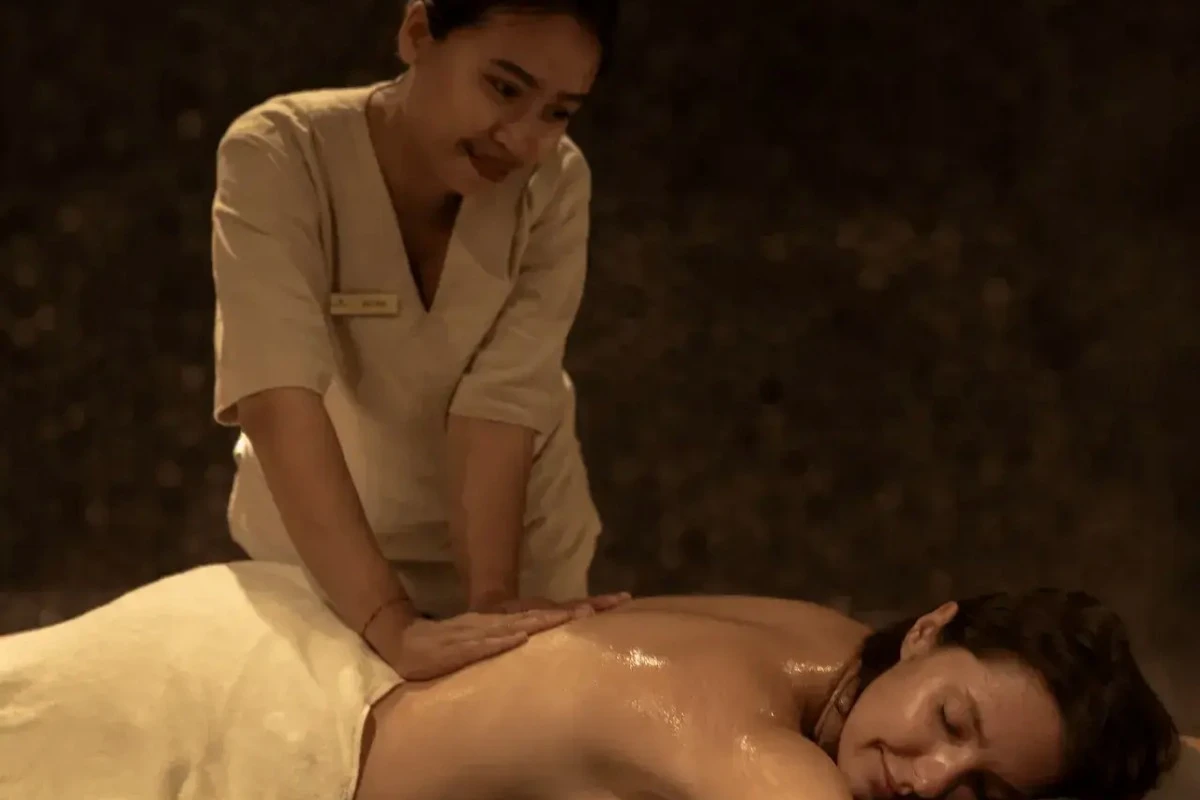
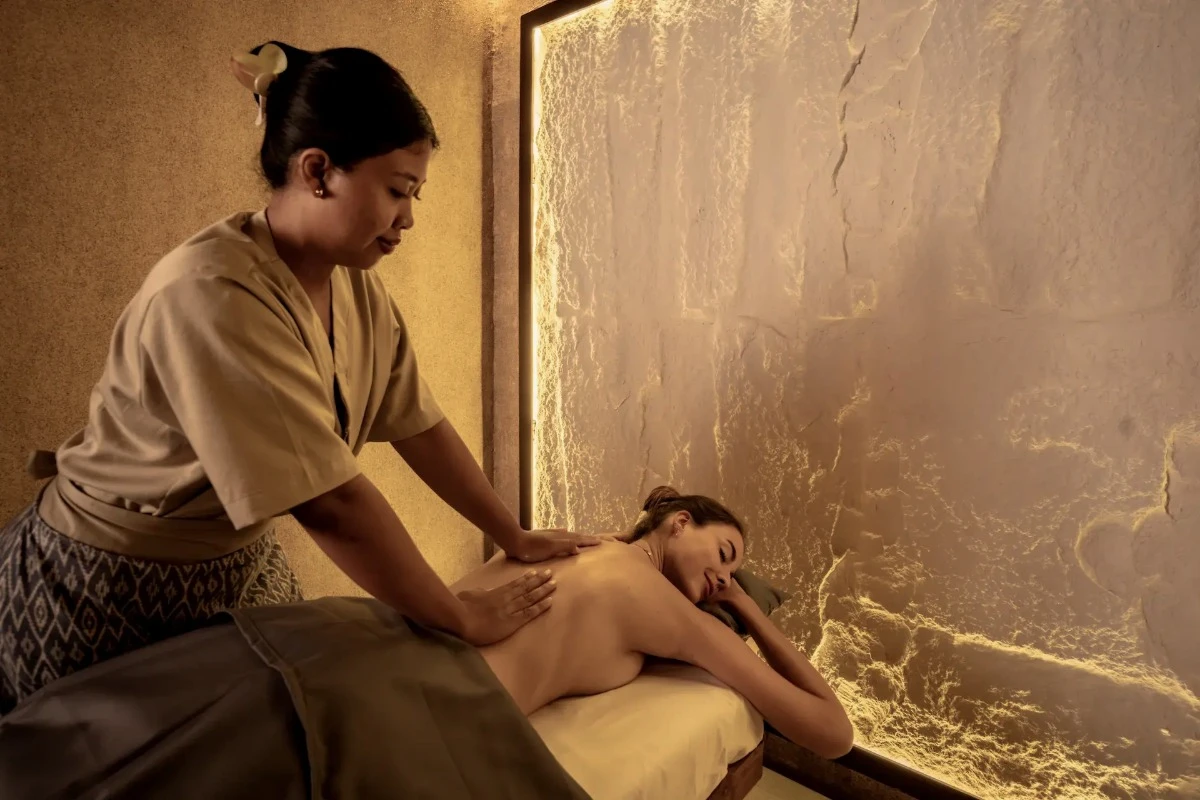
Bali offers a variety of massage treatments with different techniques to suit your comfort and relaxation needs. Traditional Balinese massage combines long, gentle strokes, thumb pressure, and light stretching using massage oil.
Often associated with Balinese healing massage, this treatment focuses on relaxing the body and reducing muscle tension. Meanwhile, aromatherapy massage uses light-to-medium pressure with essential oils to promote relaxation. Hot stone massage uses heated stones to help ease muscle stiffness and tension.
For those who prefer stronger pressure, deep tissue massage focuses on deeper muscle layers using firm, targeted movements, making it a suitable option after physical activities. Unlike most Bali massage treatments, Thai massage is performed without oil, with guests wearing loose clothing while receiving pressure and assisted stretching on a mat.
Foot reflexology, on the other hand, focuses on specific pressure points on the feet to help reduce fatigue after a long day of exploring Bali.
How to Choose Using Four Filters
Choosing the right massage in Bali is easier when you consider four main factors: massage pressure levels, the use of oil, clothing requirements, and your relaxation goals. This Bali massage guide will help you understand each factor so you can find a treatment that suits your needs.
Pressure: A 1 to 5 Scale and How to Ask for It
Massage pressure levels can be adjusted from 1 to 5, depending on your comfort and preference:
- Scale 1–2 (Gentle): Suitable for aromatherapy massage, which uses light, gentle strokes to help the body relax.
- Scale 3 (Medium): Commonly used in Traditional Balinese and Hot Stone massages, providing a balance between relaxation and muscle tension relief.
- Scale 4–5 (Strong): Usually applied in Deep Tissue or Thai massages to focus on stiff muscles and areas that need stronger pressure.
You can tell your therapist your preferred pressure before or during the session. Simply ask for “softer” or “stronger” pressure so they can adjust the treatment to your comfort.
Oil: Carrier Oil, Essential Oils, and Dry Work
Different massage treatments use different types of oil, which can affect how the massage feels and smells.
- Carrier Oils: Oils such as coconut oil are commonly used in Traditional Balinese and Deep Tissue massages to help the therapist perform smooth, continuous strokes.
- Essential Oils: Aromatic plant-based oils are mixed with carrier oils during aromatherapy massage to create a relaxing experience.
- Dry Work (No Oil): Thai massage is generally performed without oil, while foot reflexology may use a small amount of oil or cream on the feet.
Clothing: What You Wear in Each Style
What you wear during a massage depends on the treatment you choose. Most spas provide suitable clothing or coverings to maintain your comfort and privacy.
- Oil-Based Massages (Balinese, Aromatherapy, Deep Tissue): Guests are usually provided with disposable underwear, while towels or sheets are used to cover the body during treatment.
- Dry Massage (Thai Massage): You remain fully clothed in loose, comfortable clothing, which is often provided by the spa.
- Foot Reflexology: You can wear your regular clothes, as long as they allow easy access to your feet and lower legs.
Goal: Match the Style to Why You Booked
The best massage in Bali depends on what you want to achieve from your treatment. Whether you’re looking for a relaxing massage in Ubud or muscle tension relief after outdoor activities, each massage offers different benefits.
- Total Relaxation: Aromatherapy or Hot Stone Massage is suitable for reducing mild fatigue and helping you relax.
- Body Stretching: Thai Massage combines pressure and assisted stretching, making it a good option after a long journey or extended periods of sitting.
- Muscle Tension Relief: Deep tissue massage Bali treatments use firm, targeted pressure to help relieve muscle stiffness after physical activities.
- Authentic Balinese Experience: Traditional Balinese Massage combines gentle strokes, moderate pressure, and stretching for a balanced relaxation experience.
- Quick Refresh: Foot Reflexology focuses on tired feet, making it a practical choice after a long day of walking or exploring Bali.
The Main Massage Styles You Will See on Bali Menus
Traditional Balinese Massage
Traditional Balinese Massage is one of the most popular massage treatments in Bali. It combines long, flowing strokes, thumb and palm pressure, and gentle stretching to help relax the body and relieve muscle tension. The treatment typically uses medium pressure (3 out of 5), making it suitable for those looking for a balanced massage experience.
During the session, the therapist uses carrier oils, such as coconut or frangipani-scented oil, to perform smooth movements across the skin. Guests are usually provided with disposable underwear, while the body remains covered with a cloth or towel for privacy and comfort. This treatment can also be a good choice for those looking for a couples massage in Bali.
Aromatherapy Massage
Aromatherapy massage focuses on relaxation through slow, gentle strokes combined with essential oils such as lavender or lemongrass. These oils are mixed with a neutral carrier oil to provide a comfortable massage experience with relaxing scents.
The treatment uses light pressure (1–2 out of 5), making it suitable for guests who prefer a gentle massage without strong muscle pressure. Similar to Traditional Balinese Massage, guests typically wear disposable underwear and are covered with a cloth or towel throughout the session.
Hot Stone Massage
Hot stone massage in Bali uses smooth, heated basalt stones that are gently moved across the body or placed on specific areas. The warmth helps relax stiff muscles and reduce tension, making this treatment a good option after a long day of physical activity.
This massage generally uses medium pressure (3 out of 5), combining the warmth of the stones with gentle massage movements. The therapist applies massage oil to help the stones glide smoothly over the skin. Guests usually wear disposable underwear and remain covered with a cloth or towel for comfort and privacy.
Deep Tissue Massage
Deep Tissue Massage uses firm, targeted pressure to reach the deeper layers of muscle and help relieve stiffness and tension. This treatment typically uses strong pressure (4–5 out of 5), making it suitable for those who prefer an intense massage, especially after strenuous physical activities.
During the session, the therapist uses carrier oil to perform smooth, controlled movements. Guests are usually provided with disposable underwear and a cloth or towel for privacy and comfort. When comparing Balinese massage vs deep tissue, the main difference is the pressure level, as Traditional Balinese Massage uses moderate pressure, while Deep Tissue Massage focuses on deeper muscle tension.
Swedish-Style Relaxation Massage
Swedish Massage focuses on full-body relaxation through long, gentle strokes, light kneading, and circular movements. It typically uses light-to-medium pressure (2–3 out of 5), making it a good choice for those who prefer a relaxing massage without strong pressure.
The therapist uses massage oil to allow smooth movements across the skin. Guests usually wear disposable underwear and are covered with a cloth or towel throughout the treatment. In terms of Swedish massage vs Balinese massage, both use oil and flowing strokes, but Swedish Massage generally focuses more on gentle relaxation, while Balinese Massage combines pressure and stretching techniques.
Thai Massage
Thai Massage is performed on a floor mat without massage oil, making it different from most traditional massage treatments. It combines rhythmic pressure with assisted stretching to help relax stiff muscles and improve flexibility.
The treatment generally uses medium-to-strong pressure (3–5 out of 5). Guests remain fully clothed in loose, comfortable clothing, which is usually provided by the spa. When comparing Balinese massage vs Thai massage, the main differences are the use of oil, clothing, and techniques. Balinese Massage uses oil and flowing strokes, while Thai Massage focuses more on pressure and stretching without oil, making it suitable after long periods of travel or sitting.
Reflexology and Foot Massage
Reflexology and Foot Massage focus on applying pressure to specific areas of the feet, including the soles and tops, to help reduce fatigue and promote relaxation. The treatment typically uses moderate-to-firm pressure (3–4 out of 5), depending on your comfort.
Unlike full-body massages, foot reflexology usually requires only a small amount of cream or oil on the feet and lower legs. Guests can wear their regular clothing, as long as it can be rolled up above the knees. This makes it a practical option for relaxing tired feet and legs after a long day of walking or exploring Bali.
Ayurvedic and Herbal Oil Massage
Ayurvedic and Herbal Oil Massage uses warm herbal oils combined with slow, rhythmic strokes to promote relaxation and comfort. The treatment focuses on gentle, continuous movements, with light-to-medium pressure (2–3 out of 5), making it suitable for those who prefer a relaxing oil-based massage.
During the session, the therapist applies warm, naturally scented oils across the body using smooth, flowing movements. Guests are typically provided with disposable underwear and a cloth or towel for privacy. This treatment is a good option for those who enjoy the warmth of herbal oils and prefer a gentle massage experience.
How to Read a Bali Spa Menu Without Guessing
When choosing a massage treatment in Bali, understanding the spa menu can help you find the right option for your needs. Here are a few things to check before booking:
- Check the Pressure Level: Terms like “Deep Tissue” or “Firm” usually indicate stronger pressure, while “Soothing,” “Relaxation,” or “Aromatherapy” generally refer to gentler massage techniques.
- Check the Use of Oil: Look at whether the treatment uses massage oil or is performed without oil, especially if you have sensitive skin or prefer a dry massage.
- Consider the Session Duration: Check the available treatment durations and choose one that fits your schedule and comfort preferences.
- Ask the Spa Staff: If the treatment description is unclear, ask the receptionist about the techniques, pressure levels, or use of oil before booking to make sure the massage suits your needs.
Who Should Adjust or Skip a Massage
- Pregnancy & Sensitive Skin:
Inform the spa staff before your treatment so they can adjust your body position, massage pressure, and type of oil for your comfort and safety. If you are pregnant, choose a therapist trained in prenatal massage and consult your healthcare provider if needed. - Sunburn:
Avoid deep tissue or strong-pressure massages on sunburned skin, as they may cause further irritation. It is better to avoid massaging the affected areas and choose a gentle treatment that does not put pressure on the skin. - Allergies & Scent Sensitivities:
Let your therapist know if you have allergies or sensitivities to essential oils or fragrances. You can request a neutral, unscented carrier oil to help prevent skin irritation or discomfort. - Physical Injuries & Feeling Unwell:
If you have an injury, inform your therapist so they can avoid the affected areas or adjust the treatment. If you are feeling unwell, especially with a fever or illness, it is better to postpone your massage until you have recovered.
How Hammana Spa Matches Its Massages to Each Goal
At Hammana Spa in Ubud, massage treatments can be adjusted to suit each guest’s needs and preferences, helping create a comfortable and relaxing experience.
- Pre-Treatment Consultation: Before your session, the spa staff will ask about your preferred massage pressure, areas that need attention, and any preferences or sensitivities related to essential oils.
- Adjustments for Travel Recovery: After a long flight or a day exploring Ubud, therapists can recommend a combination of Traditional Balinese Massage and Foot Reflexology to help reduce fatigue and relieve muscle tension.
- Selection of Natural Oils and Products: Guests can choose their preferred essential oil scent or request a neutral, fragrance-free carrier oil if they have sensitive skin or prefer to avoid scented products.
- A Relaxing Ubud Experience: Hammana Spa combines a peaceful atmosphere with treatments provided by trained therapists, allowing guests to relax and unwind while surrounded by Ubud’s natural scenery.
Frequently Asked Questions
- Should I book spa treatments in advance while in Bali?
Yes, booking in advance is recommended, especially during Bali’s peak tourist season or if you prefer a specific time, such as in the afternoon. This helps you secure your preferred treatment and schedule. - Do I need to remove all my clothing for a massage?
No. For oil-based massages, spas usually provide disposable underwear and use a towel or sheet to cover your body for privacy. For Thai massage, you remain fully clothed in loose, comfortable clothing. - What level of massage pressure is ideal for beginners?
For beginners, light-to-medium pressure (2–3 out of 5) is usually a good starting point. Traditional Balinese Massage and Aromatherapy Massage are suitable options, as the pressure can be adjusted to your comfort level. - How can I let the therapist know if the pressure is too painful?
You can tell your therapist at any time during the session. Simply say “softer, please” if the pressure is too strong or “stronger, please” if you prefer more pressure. If you experience pain, ask the therapist to stop or adjust the technique.
Finding the Style That Matches How You Want to Feel
With so many types of massage in Bali, choosing the right treatment depends on your personal needs and comfort preferences. Whether you prefer gentle relaxation, stronger pressure for muscle tension, or stretching to improve flexibility, each massage offers different benefits. Hammana Spa is a spa in Ubud that provides massage treatments tailored to your preferences, helping you relax and recover during your Bali holiday.
If you’re looking for a relaxing massage experience in Ubud, Hammana Spa offers a comfortable setting with trained therapists who can help you choose a suitable treatment. Book your massage at Hammana Spa and take time to relax during your stay in Bali.