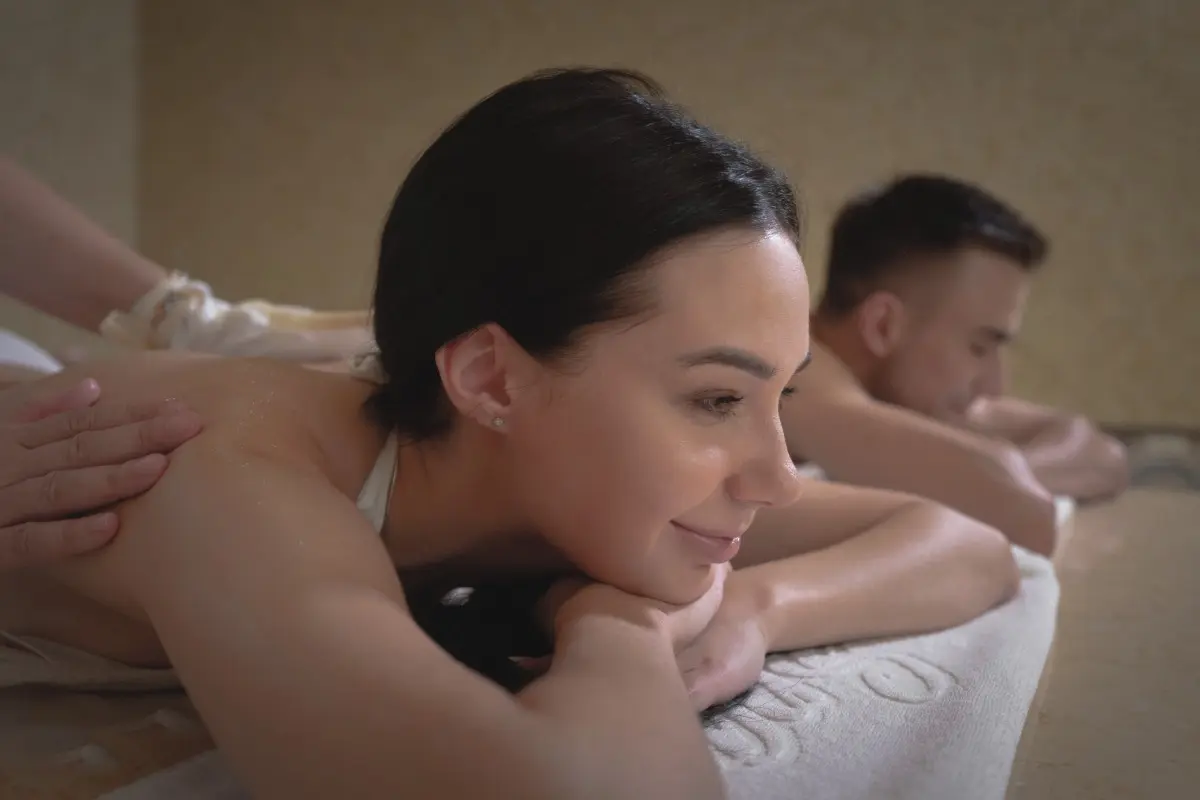
For those looking to experience a unique form of relaxation in Bali, a Hammam Ritual is worth adding to your wellness wishlist. Unlike many spa treatments, it combines the benefits of heat and steam therapy with deep exfoliation to help relax the body and refresh the skin.
Originating from the traditional bathing cultures of Turkey and the Middle East, the Hammam Ritual is now available in Bali. Before experiencing it for yourself, let’s explore what a traditional Hammam Ritual is and how it works.
What Is a Hammam Ritual?
The Hammam Ritual, often referred to as a traditional Turkish or Middle Eastern bath, is a centuries-old wellness practice that originated during the Ottoman era. It combines the soothing effects of steam, deep body exfoliation, and a rich foam massage to cleanse and relax the body from head to toe.
Designed to refresh both body and mind, the ritual helps remove impurities, ease muscle tension, and leave the skin feeling renewed. It is also known for promoting relaxation, supporting overall well-being, and creating a calming moment away from the stresses of daily life.
What Happens During a Traditional Hammam Ritual
The Warm-Up Phase and What It Does to Your Body
The ritual begins with a warming phase known as hararet, where you relax in a heated, humid room while lying on a warm marble platform called the göbek taşı. During this stage, the heat encourages the body to sweat, helping to open the pores, release impurities, and gradually relax tight muscles.
As the body adjusts to the warmth, circulation increases, and a deep sense of relaxation begins to take over. This preparation stage is an essential part of the Hammam experience, allowing the body and mind to fully unwind before the next steps of the ritual.
Exfoliation with the Kessa Glove
After the warming phase, the therapist will begin by rinsing your body before performing a full-body exfoliation using a traditional textured mitt known as a kese. This specially designed exfoliating glove helps remove dead skin cells and impurities that have accumulated on the surface of the skin. As the skin is gently scrubbed, it becomes smoother, softer, and better able to absorb moisture.
The Black Soap Cleansing
Once the body has been exfoliated with the kese, the therapist will cover your body with a special black soap made from olive-based ingredients. The purpose of this step is to nourish the skin while maintaining its natural moisture. The olive-based ingredients help soften the skin and prepare it for the next stage of the ritual.
Foam Massage and the Role of the Attendant
After the soap has been applied to the body, the therapist will gently massage you using rich, abundant foam. This step helps cleanse the skin more deeply while creating a soothing and relaxing sensation throughout the body.
The thick foam also helps soften the skin after exfoliation, making it feel smooth and refreshed. At the same time, the gentle massage may help improve circulation and ease muscle tension, enhancing the overall relaxation experience.
The Cool Room and What Recovery Actually Feels Like
The ritual ends with a warm water rinse to cleanse the body and remove any remaining soap and foam. After that, you will be invited to relax in a cooler room while enjoying a cup of herbal tea.
As your body cools down, your pores gradually close and your skin feels fresh and clean. This final step leaves you feeling relaxed, refreshed, and restored after the warm and intensive treatment.
How a Moroccan Hammam Differs from a Turkish Hammam
Although the Hammam Ritual is most commonly known as a Turkish bath, this ancient bathing tradition can actually be found across many countries in the Middle East and North Africa. Each region has developed its own unique rituals, techniques, and cultural influences over the centuries.
Among the most well-known are the Turkish Hammam and the Moroccan Hammam, each offering its own distinctive rituals and techniques. So, when it comes to Turkish Hammam vs Moroccan Hammam, what are the differences? Let’s take a closer look.
Key Differences in Technique, Setting, and Ingredients
The difference between a Turkish Hammam and a Moroccan Hammam is quite noticeable. Turkish Hammams are known for their luxurious atmosphere, warm marble interiors, and signature foam massage, while Moroccan Hammams focus more on deep detoxification using black soap, clay, and intensive exfoliation in a steam-rich environment.
To better understand Turkish Hammam vs Moroccan Hammam, here are the key differences based on technique, setting, and ingredients:
1. Technique
- Turkish Hammam: The ritual typically begins with relaxation on a heated marble platform to warm the body and open the pores. This is followed by exfoliation using a kese mitt and finished with the signature foam massage, one of the most iconic parts of the experience.
- Moroccan: The treatment focuses more heavily on deep cleansing and exfoliation. It usually starts with the application of black soap, followed by rinsing, vigorous scrubbing with a kessa glove, and ends with argan oil to nourish and hydrate the skin.
2. Setting
- Turkish Hammam: The environment is often grand and elegant, featuring domed ceilings, intricate architecture, and large heated marble platforms. The warmth comes primarily from radiant heat, creating a comfortable atmosphere for relaxation.
- Moroccan Hammam: The setting tends to feel more intimate and traditional. Instead of marble, it commonly features waterproof plaster walls and handcrafted mosaic tiles, while the heavier steam creates a highly humid environment that helps open the pores more deeply.
3. Ingredients
- Turkish Hammam: The treatment generally uses olive oil-based soaps that gently cleanse and soften the skin while helping maintain its natural moisture.
- Moroccan Hammam: Traditional ingredients include Savon Beldi (black soap) made from olives and olive oil, Rhassoul Clay from the Atlas Mountains for deep detoxification, and argan oil as a final step to hydrate and nourish the skin.
What Both Traditions Share at the Core
Despite their noticeable differences, both traditions share the same roots as ancient cleansing and bathing rituals. Both use heat or steam to open the pores, followed by deep exfoliation with a special glove to remove dead skin cells and impurities from the skin.
The experience is then completed with a cleansing soap treatment and a period of relaxation. While the techniques, ingredients, and atmosphere may differ, both Turkish and Moroccan Hammams are designed to leave the body feeling clean, refreshed, and deeply relaxed.
How the Hammam Ritual Feels for First-Time Visitors
For first-time visitors, a Hammam spa experience offers a deeper sense of relaxation compared to many traditional spa treatments. After the ritual, the body often feels lighter, while the skin feels noticeably softer and smoother.
These benefits come from the combination of warm steam, deep exfoliation using a special cleansing glove, and a soothing foam massage. Together, these elements help remove dead skin cells, improve circulation, and leave you feeling refreshed, recharged, and completely relaxed.
Ingredients Commonly Used During a Hammam Ritual
Several ingredients are commonly used in the Hammam Ritual, including black soap, rhassoul clay, argan oil, and others. Each one offers different benefits and is made from different ingredients.
Black soap
Black soap, also known as Beldi soap, is a traditional natural soap made from a blend of olive oil and crushed black olives, often enriched with essential oils such as eucalyptus or argan oil. It has a thick gel-like texture and is naturally rich in vitamin E.
Rhassoul clay
If you experience a Moroccan Hammam, rhassoul clay is one of the traditional ingredients commonly applied during the ritual. This natural mineral clay comes from the Atlas Mountains and is often used as a cleanser, shampoo, and mask to deeply cleanse the body while helping nourish the skin and gently remove dead skin cells.
Argan oil
Argan oil is another ingredient commonly used in Moroccan Hammam rituals, typically applied during the final stage of the treatment as a moisturizer and skin nourisher. Rich in vitamin E, antioxidants, and essential fatty acids, it helps restore moisture and leave the skin feeling soft and hydrated after exfoliation.
Natural aromatic ingredients
Natural aromatic ingredients are also commonly used in Hammam rituals, including eucalyptus oil, argan oil, olive oil, rose extract, jasmine, and orange blossom. These ingredients help create a more relaxing atmosphere while enhancing the overall sensory experience of the ritual.
Who Should Try a Hammam Ritual
In general, a Hammam Ritual is suitable for anyone looking to reduce stress, support the body’s natural detoxification process, and deeply cleanse the skin. It is particularly beneficial for those who feel tired, experience muscle tension from daily routines, or simply want to enjoy a more complete and restorative relaxation experience.
How to Prepare for Your First Hammam
Before You Arrive
- Stay well hydrated before your appointment, as the ritual involves heat and sweating.
- Avoid eating a heavy meal before the session so you can enjoy the experience more comfortably.
- Wear comfortable clothing that is easy to change into and out of.
What to Expect When You Walk In
- Before the session begins, you will usually be provided with attire to wear during the ritual, so simply follow the staff’s instructions.
- The experience typically starts with a warm steam session, allowing your body to relax and prepare for the treatment.
- After that, the ritual continues with exfoliation, cleansing, and relaxation, which you can enjoy at a comfortable pace.
What First-Timers Often Find Surprising
- Many first-time visitors are surprised by the warmth and humidity inside the Hammam room.
- It is also common to be surprised by the amount of dead skin removed during the exfoliation process.
- While the ritual can feel quite intense, most people leave feeling deeply relaxed and refreshed afterward.
After the Ritual
- Continue to stay hydrated by drinking plenty of water.
- Give your body time to rest and enjoy the feeling of relaxation after the treatment.
- Avoid intense physical activities immediately afterward and allow your body to recover fully.
Experiencing the Hammam Ritual in Bali
A Hammam Ritual is a perfect choice for those looking to experience a relaxation treatment beyond the ordinary. With its warm and immersive process, this ritual offers deep cleansing, soothing relaxation, and a lasting sense of refreshment long after the treatment ends.
Today, you do not need to travel all the way to Turkey or Morocco to experience a Hammam Ritual. At Hammana Spa Ubud, you can enjoy a treatment inspired by this centuries-old tradition, thoughtfully combined with Balinese massage techniques to create a deeply relaxing and refreshing experience.