Acupressure massage is a technique based on traditional Chinese medicine that uses finger pressure on specific points of the body. Unlike a regular massage, it focuses on targeted pressure rather than broad massage strokes, but the treatment should still feel comfortable and should not cause pain.
In this article, you will learn how acupressure massage works, what to expect during a session, and its potential benefits. The guide also covers how the treatment feels, how it differs from other massage techniques, and what to consider before booking, including how acupressure techniques are used in the Balinese massage offered at Hammana Spa Ubud.
What Is Acupressure Massage?
Acupressure massage is a technique that uses finger pressure on specific areas of the body, known as acupressure points. Unlike regular massage, which usually involves rubbing and kneading, this technique focuses on applying pressure to targeted points, with the intensity adjusted to keep the treatment comfortable.
Where It Comes From
Acupressure comes from Traditional Chinese Medicine (TCM), a practice that has developed over thousands of years. It is based on the traditional belief that certain points in the body are connected to the flow and balance of energy, a concept that has influenced many massage and relaxation techniques.
Acupressure vs. Acupuncture
Acupressure and acupuncture both come from Traditional Chinese Medicine and focus on similar points of the body, but they use different methods. Acupuncture involves inserting thin needles into specific points, while acupressure uses pressure from the fingers or hands without any needles.
How Pressure Points Work
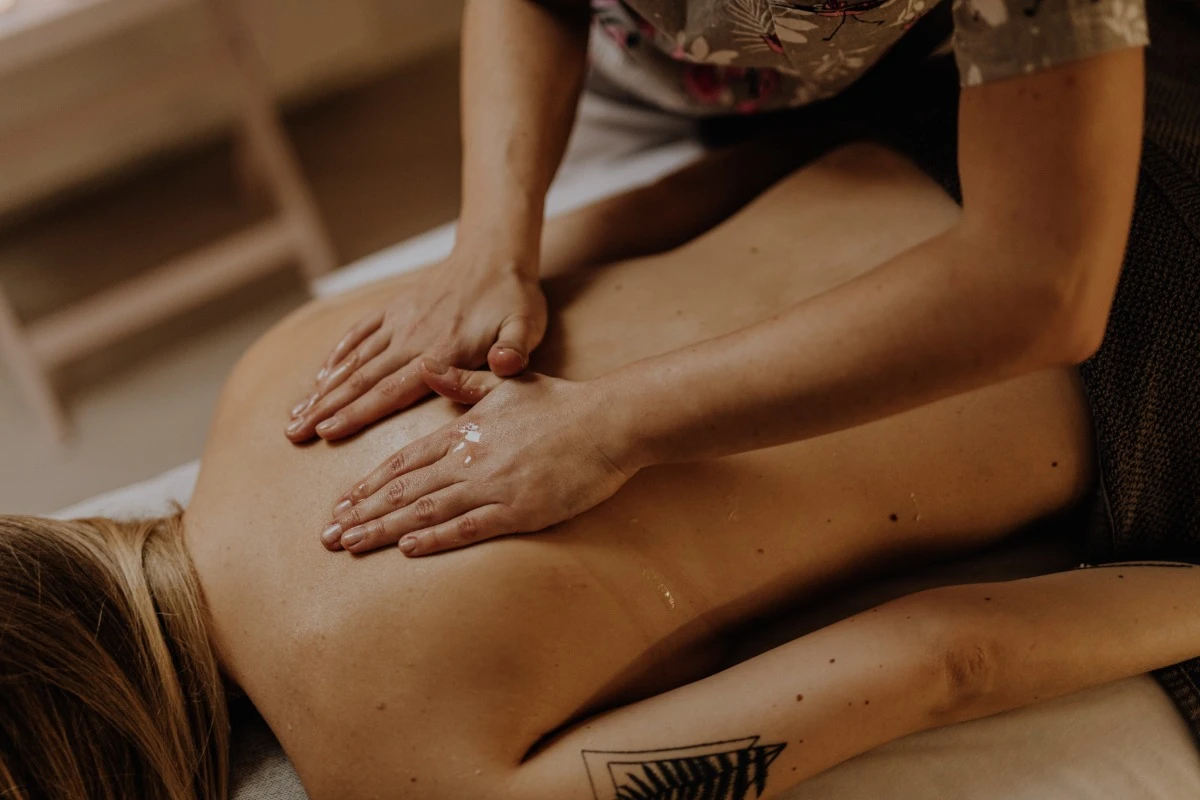
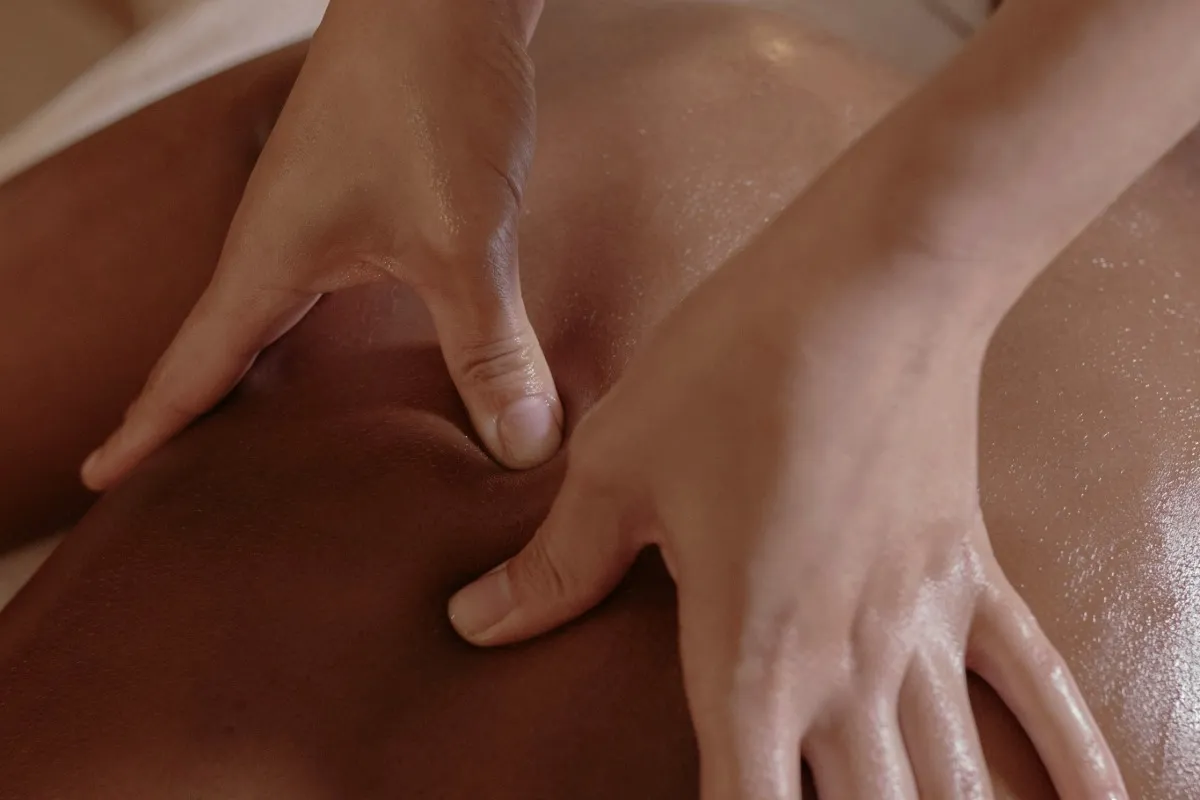
During an acupressure massage, the therapist applies pressure to specific points using their thumbs, fingers, or palms. The pressure is usually held for a few seconds before moving to another area, creating a focused sensation that may feel different for each person but should not be painful.
The Traditional View
In Traditional Chinese Medicine, the body is believed to have energy pathways called meridians, through which vital energy, known as qi, flows. Applying pressure to certain points is believed to help balance this energy, although this traditional explanation has not been scientifically proven.
The Modern View
Today, pressure point massage is also studied for how touch and targeted pressure may help promote relaxation and physical comfort. While some people report positive effects, results can vary, and research into its benefits is still ongoing, so acupressure is best viewed as a wellness and relaxation technique rather than a proven medical treatment.
Common Pressure Points Therapists Work On
During acupressure therapy, the therapist applies pressure to specific points on the body, including the face, head, hands, wrists, and feet. Each point has its own name and location in Traditional Chinese Medicine, while the pressure and areas treated can be adjusted to suit individual comfort and preferences.
Some common points include Yin Tang, located between the eyebrows; Neiguan, on the inner wrist; and Hegu, between the thumb and index finger. Therapists usually apply steady finger pressure or gentle circular movements, making this technique a comfortable option for those exploring wellness in Bali.
What an Acupressure Massage Session Feels Like
If you are trying acupressure massage for the first time, you may notice that it feels different from a regular relaxation massage. Instead of long, sweeping strokes, this pressure point therapy focuses on specific areas of the body, with the pressure adjusted to keep you comfortable throughout the session.
Before You Start
Before the massage begins, your therapist will usually ask which areas you want to focus on and how much pressure you prefer. You will then be asked to sit or lie down comfortably while the therapist explains what to expect during the treatment.
The Pressure Itself
If you are wondering how acupressure works, the therapist uses their thumbs, fingers, or palms to apply steady pressure to specific points for a few seconds at a time. You may feel firm pressure or a mild, dull ache, but the treatment should not be painful, so let your therapist know if you feel uncomfortable.
During and Right After
One of the potential acupressure massage benefits is a feeling of relaxation, although everyone responds differently to the treatment. After the session, take a moment to rest, stand up slowly, and drink water if needed before continuing your daily activities.
Acupressure vs Other Massages
Although these techniques all involve applying pressure to the body, acupressure massage differs from acupuncture, shiatsu, and deep tissue massage. The main differences are how each treatment works, which areas of the body it focuses on, and how it feels during a session.
Acupressure vs Acupuncture
When comparing acupressure vs acupuncture, both techniques come from Traditional Chinese Medicine and focus on similar points of the body. However, acupuncture uses thin needles inserted into the skin, while acupressure treatment applies pressure using the fingers or hands without needles.
Acupressure vs Shiatsu
The main difference between acupressure vs shiatsu is how the pressure is applied during the treatment. Shiatsu is a Japanese massage technique that combines finger and palm pressure with gentle stretching and body movements, while acupressure focuses more on specific pressure points.
Acupressure vs Deep Tissue Massage
Deep tissue massage uses firm pressure and slow movements to target deeper layers of muscles and soft tissue. In comparison, acupressure massage focuses on applying pressure to specific points without necessarily using strong force, making it a different experience for those exploring acupressure for stress and relaxation.
Who Should Be Careful or Skip It
Although acupressure massage uses pressure that can be adjusted to your comfort level, it may not be suitable for everyone. Before booking a session, there are a few important things to consider for a safe and comfortable experience.
- Pregnant women: Certain acupressure points may not be suitable during pregnancy, so it is best to consult a healthcare professional and choose a therapist experienced in prenatal massage.
- Sensitive or irritated skin: Avoid applying pressure to areas with open wounds, bruises, sunburn, or skin irritation, as this may cause further discomfort.
- Recent injury or surgery: Avoid massage on areas that are still healing, and check with a healthcare professional before receiving treatment.
- Specific health conditions: People who bruise easily, have blood-clotting disorders, or have certain medical conditions should seek medical advice before trying acupressure massage.
Before the session, let your therapist know how much pressure you prefer and which areas you would like them to avoid. If you experience pain or discomfort during the massage, ask the therapist to reduce the pressure or stop the treatment.
Acupressure in a Balinese Spa Setting
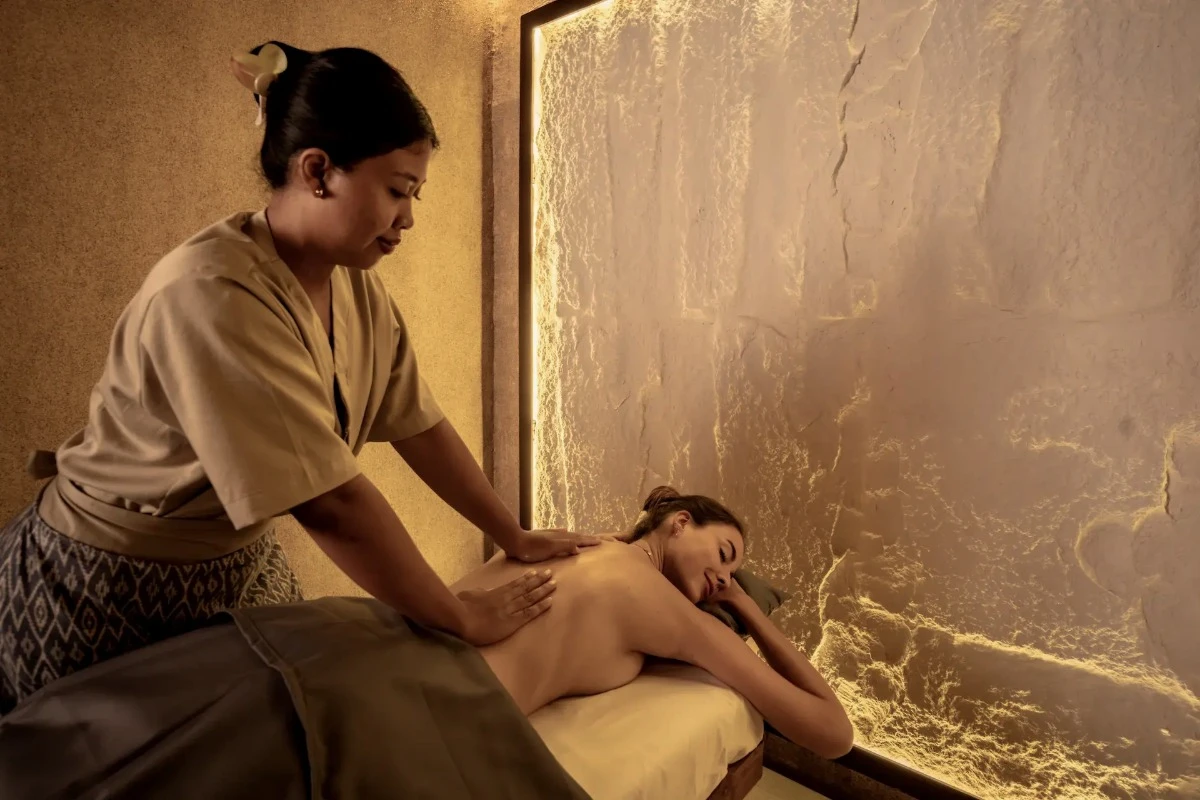
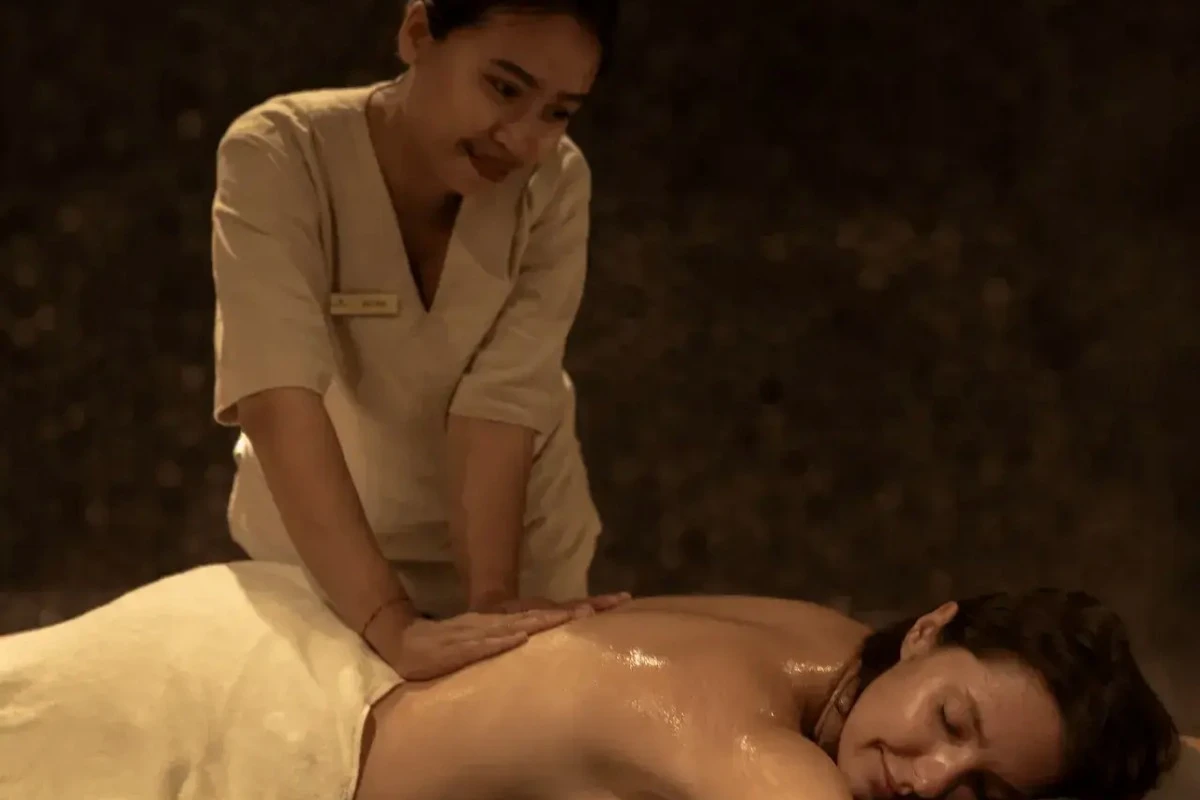
In Balinese spas, acupressure techniques are sometimes combined with traditional Balinese massage, which uses stroking, kneading, and palm pressure. This combination allows you to experience different massage movements, from gentle strokes to focused pressure on specific points of the body.
At Hammana Spa Ubud, acupressure techniques are included in the 90-minute Sacred Balinese Massage, rather than offered as a separate treatment. If you are interested in experiencing traditional Balinese massage with acupressure techniques, visit the official Hammana Spa website to explore the available treatments and find a spa package that suits your preferences.
Questions First-Timers Ask
- Is Acupressure Massage Painful?
Acupressure massage should not be painful, although you may feel firm pressure or a mild, dull ache in certain areas. If the pressure feels too strong or uncomfortable, you can ask your therapist to adjust it. - Do You Need to Remove Your Clothes?
Acupressure massage can usually be performed while you are fully clothed, especially when the treatment involves finger pressure without massage oil. However, when combined with Balinese massage or other spa treatments, your therapist may provide special clothing or a body covering for the session. - How Long Does an Acupressure Massage Session Last?
The duration of an acupressure massage depends on the type of treatment, the areas being focused on, and the spa service you choose. If acupressure is combined with other massage techniques, it may only be one part of the overall session. - What Should You Tell Your Therapist Before Starting?
Before your session, tell your therapist about your preferred pressure level, any sensitive areas, and which parts of your body you want them to avoid. You should also mention any injuries, pregnancy, or medical conditions to help the therapist adjust the treatment to your needs. - What Should You Do After an Acupressure Massage?
After the massage, take a few moments to rest, drink water if needed, and return to your usual activities when you feel ready. While acupressure has traditional links to concepts such as energy healing, everyone’s experience is different, so you should not expect any specific physical sensation or result.
For those interested in understanding spa treatments, knowing what to expect before and after a massage can help make the experience more comfortable.
A Quiet Way to Listen to Your Body
Acupressure massage offers a different way to experience relaxation through gentle, focused pressure on specific points of the body. If you are looking for a spa in Ubud that combines traditional massage techniques, Hammana Spa Ubud offers the 90-minute Sacred Balinese Massage, which includes acupressure techniques alongside other massage movements.
Whether you are new to acupressure massage or simply looking for a relaxing spa experience in Bali, Hammana Spa Ubud offers a range of treatments to explore. Visit the official Hammana Spa website to discover the available treatments and book your preferred session.