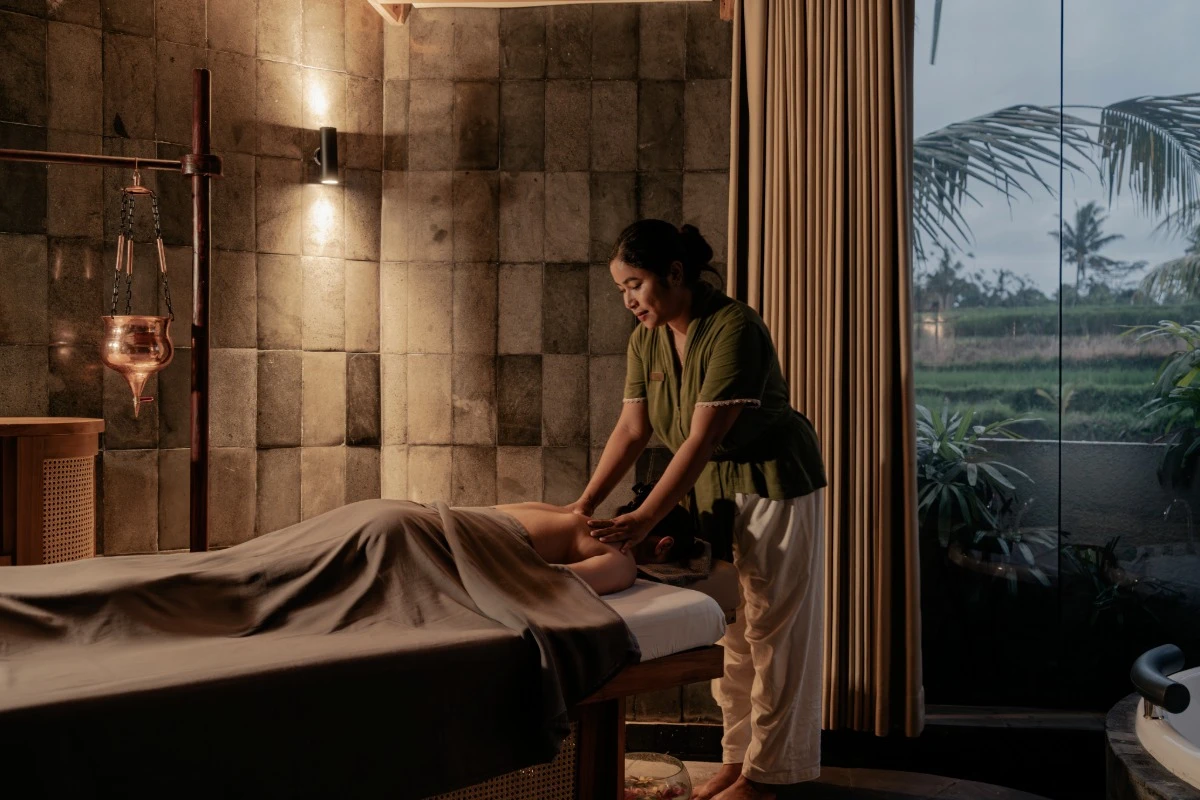
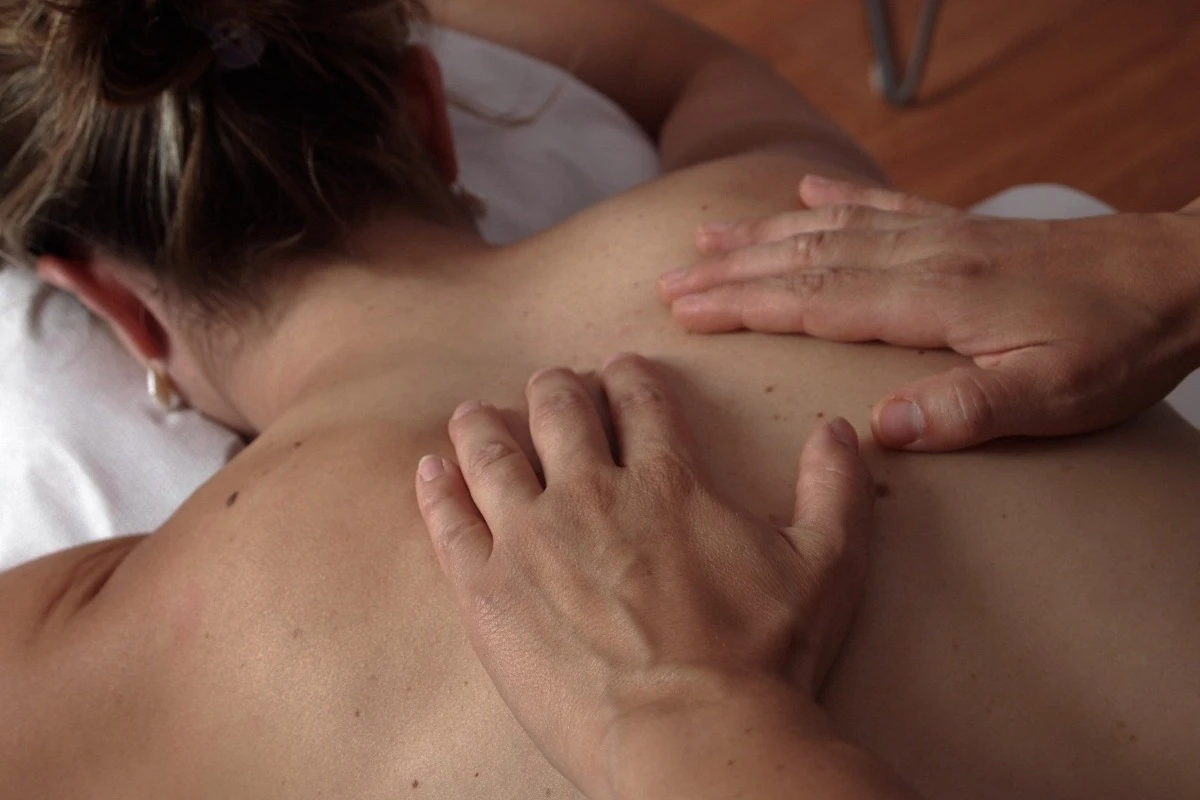
Bali offers a wide range of massage treatments to complement your holiday, from traditional Balinese massage, aromatherapy massage, hot stone massage, and deep tissue massage to Thai massage, Ayurvedic massage, and foot reflexology. Each type of massage differs in its techniques, pressure levels, use of oils, and what you wear during the session.
When choosing a massage, it is important to consider your personal comfort, travel itinerary, relaxation goals, and any health conditions that may require treatment adjustments or precautions. This guide explores the different types of massages available in Bali, explains pressure levels, oils, and appropriate attire, and introduces how Hammana Spa in Ubud can help you choose a treatment that suits your individual needs.
What Is Ayurvedic Massage?
Ayurvedic massage is a traditional massage practice based on Ayurveda, an ancient system of medicine that originated in India thousands of years ago. One of the most common forms of Ayurveda massage is Abhyanga, a full-body massage that involves applying warm oil using rhythmic movements.
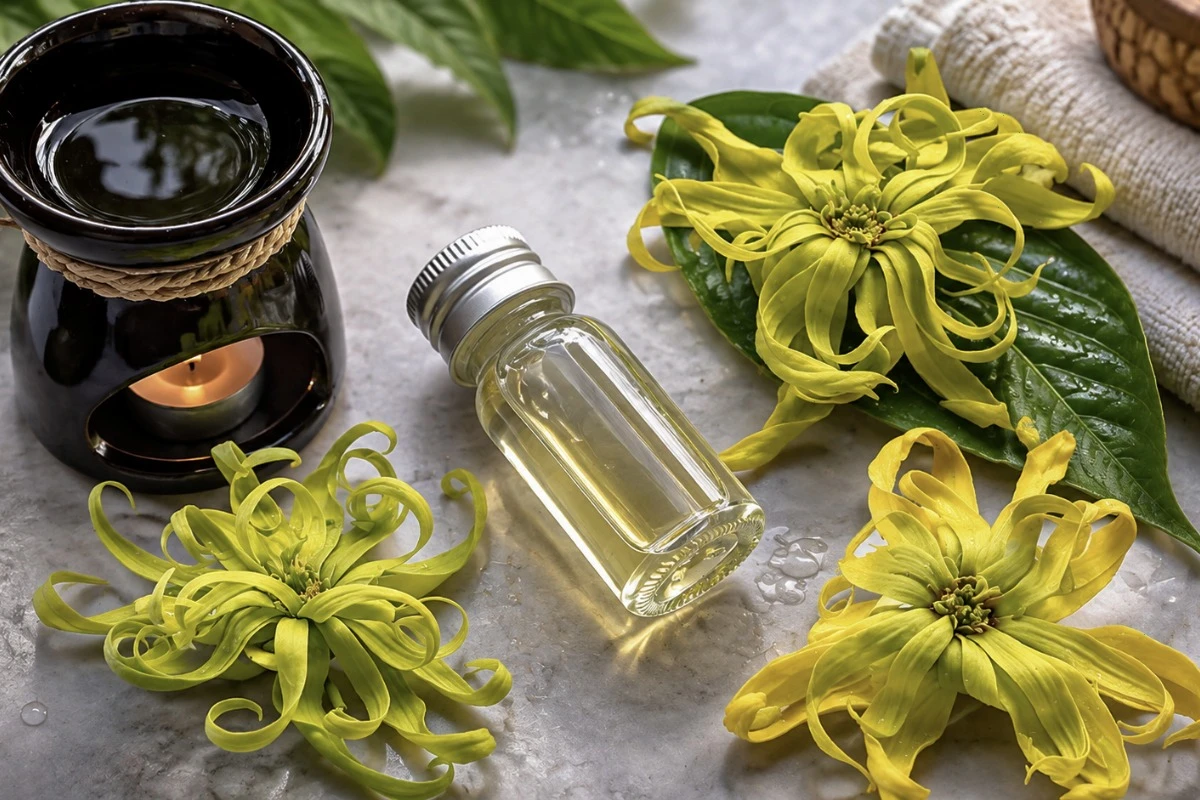
In Ayurveda, the choice of oils and massage techniques is based on the concept of Doshas, which are divided into three types: Vata, Pitta, and Kapha. Depending on individual needs, the therapist may use sesame oil, coconut oil, or a blend of oils infused with herbs.
Unlike a traditional Balinese massage, which typically combines acupressure and gentle stretching, Ayurvedic massage focuses more on smooth, rhythmic, and repetitive strokes. The pressure can be adjusted to suit individual comfort, while the use of warm oils makes it an appealing option for those seeking relaxation through traditional Indian wellness practices.
How Ayurvedic Massage Works
Abhyanga massage combines warm oils, rhythmic strokes, and controlled pressure applied to different parts of the body. Based on Ayurvedic principles, this massage is designed to balance the three Doshas, known as Vata, Pitta, and Kapha, according to traditional Indian wellness beliefs.
A traditional Ayurvedic massage typically involves the following steps:
- Initial Consultation: The session begins with a brief consultation to understand your personal preferences, comfort levels, and specific needs.
- Oil Selection: The therapist selects suitable oils based on Ayurvedic principles, such as sesame oil, coconut oil, or herbal-infused oils.
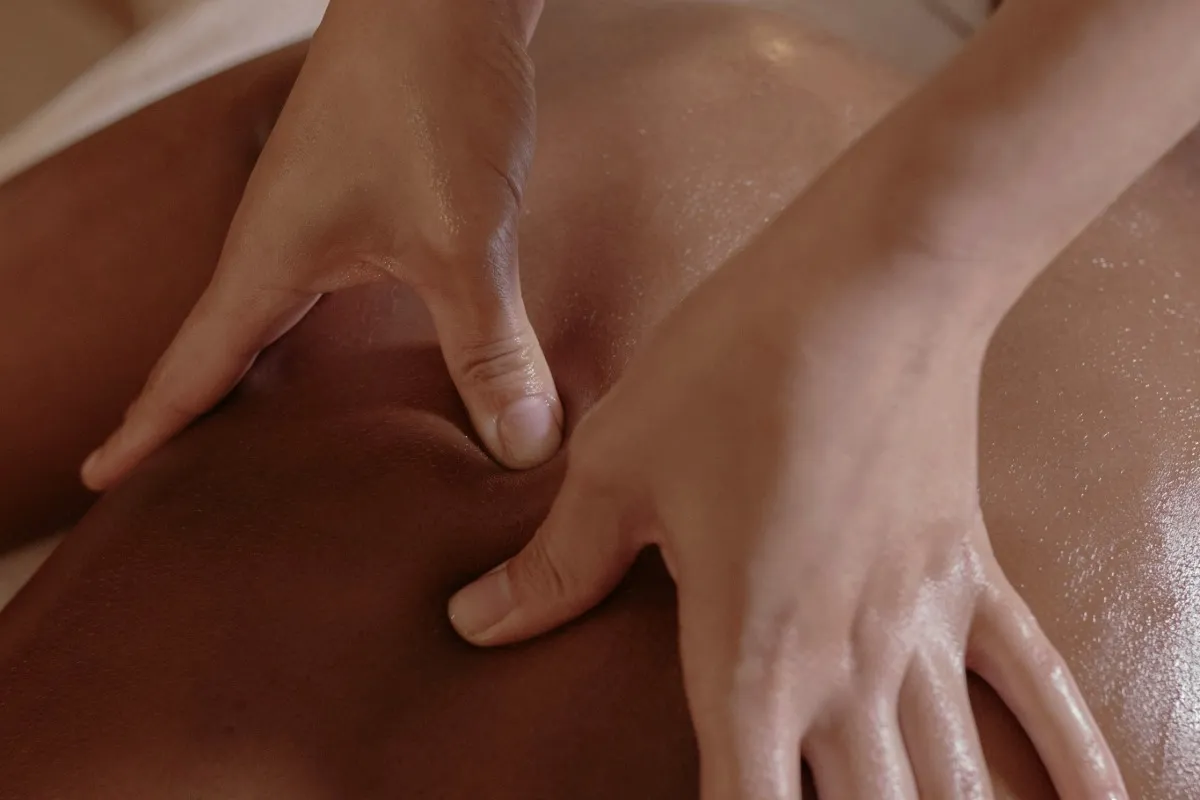
- Warm Oil Application: The oil is warmed and applied evenly to the areas of the body being massaged.
- Rhythmic Massage Techniques: The therapist uses long, smooth strokes along the arms and legs, combined with circular movements around the joints.
- Resting Period: After the massage, you are given time to rest before removing any excess oil from your body.
If you are interested in experiencing Ayurveda in Bali, keep in mind that pressure levels, oil selection, massage sequences, and session durations may vary depending on the treatment and your personal preferences.
Common Types of Ayurvedic Massage
There are several types of Ayurvedic massage treatments, each using different techniques, ingredients, and tools. While some treatments involve warm oils, others use herbal powders, heated herbal pouches, or natural silk gloves to provide a different relaxation experience.
Abhyanga, the Full-Body Oil Massage
According to an Ayurvedic learning module from Amrita Vishwa Vidyapeetham, Abhyanga is a full-body massage that involves applying warm herbal oils using various massage movements. In traditional Ayurvedic practice, the oils are selected based on an individual’s Dosha, which refers to the three Ayurvedic constitution types: Vata, Pitta, and Kapha.
The California College of Ayurveda explains that this Ayurvedic body massage uses long, sweeping strokes along the arms and legs and circular movements around the joints. The application of oil helps the therapist’s hands move smoothly across the skin during the session.
Shirodhara, the Warm Oil Pour
According to a 2013 study published in the Journal of Ayurveda and Integrative Medicine, Shirodhara is a traditional Ayurvedic treatment that involves pouring a slow, continuous stream of warm herbal oil or other liquids onto the forehead. The temperature and flow of the liquid can be adjusted throughout the treatment.
Unlike conventional massages that rely on physical pressure, Shirodhara focuses on the sensation of warmth and the steady flow of oil. During the session, you lie down while a specially designed vessel positioned above your head releases the liquid onto your forehead.
Udvartana, Potli, and Garshana
Not all Ayurvedic treatments rely on warm oils. Some incorporate natural ingredients and specialized tools to create a different Ayurvedic massage experience based on texture, temperature, and application techniques.
- Udvartana: According to the SDM College of Ayurveda, Udvartana is a massage technique that uses dry herbal ingredients or powdered herbs. The texture of the powder creates a sensation similar to a body scrub.
- Potli: According to a publication in the Journal of Ayurveda and Integrated Medical Sciences, one form of Potli treatment, known as Patra Pinda Swedana, uses heated cloth pouches filled with herbal ingredients to massage specific areas of the body.
- Garshana: According to the National Ayurvedic Medical Association (NAMA), Garshana is a dry massage technique performed using natural silk gloves. Unlike Abhyanga, this treatment does not involve the use of oil.
What Happens During an Ayurvedic Massage Session
An Ayurvedic massage session, particularly Abhyanga, is generally divided into three stages: preparation (Purva Karma), the massage itself (Pradhana Karma), and post-massage care (Paschat Karma). According to Ayurvedic learning modules from Amrita Vishwa Vidyapeetham, each stage follows specific procedures, from preparing the massage oil to allowing the body to rest after the treatment.
Before: Consultation and Preparation
Before the massage begins, the therapist usually conducts a brief consultation to understand your treatment goals, preferred pressure levels, and health history. As recommended by the Mayo Clinic, you should also inform your therapist about any allergies or sensitivities to certain fragrances or ingredients.
As part of the traditional Ayurvedic approach to holistic wellness, the consultation may also involve identifying your Dosha to determine suitable oils and massage techniques. After the consultation, the therapist prepares the room, equipment, and warm oil for your session.
During: Oil, Strokes, and Rhythm
During the session, the therapist applies warm oil to your body and performs various Ayurvedic massage techniques using rhythmic and repetitive movements. According to Amrita Vishwa Vidyapeetham, Abhyanga involves long, sweeping strokes along the arms and legs, combined with circular movements around the joints.
The pressure, rhythm, and oil temperature can be adjusted according to your personal comfort. Feel free to inform your therapist if the pressure is too strong or the oil feels too warm.
After: Rest, Warm Water, and Letting the Oil Absorb
After the massage, you are usually given some time to rest before washing off the oil. According to traditional Abhyanga guidelines from the California College of Ayurveda, leaving the oil on your skin for a few minutes before rinsing it off with warm water is recommended.
You can also wear loose, comfortable clothing and take some time to relax before continuing your activities. If you are exploring wellness in Bali during your holiday, avoid planning too many activities immediately after your massage so you can enjoy the experience without feeling rushed.
Ayurvedic Massage vs Balinese Massage: Key Differences
Ayurvedic massage and Balinese massage are traditional body treatments that come from different cultural backgrounds. Ayurvedic massage is rooted in the Indian tradition of Ayurveda, while Balinese massage originates from traditional bodywork practices in Bali.
Although both treatments use massage oils, they differ in their philosophy, techniques, pressure levels, and overall experience.
According to an Ayurvedic learning module from Amrita Vishwa Vidyapeetham, Abhyanga focuses on the application of warm herbal oils through a structured sequence of movements. Meanwhile, a publication in the Journal of Business on Hospitality and Tourism explains that traditional Balinese massage combines aromatic oils with specific pressure techniques using the palms and fingers.
The following table highlights the main differences between Ayurvedic massage and Balinese massage:
| Aspect | Ayurvedic Massage (Abhyanga) | Balinese Massage |
| Origin | India | Bali, Indonesia |
| Philosophy | Ayurvedic principles and the Dosha concept | Traditional Balinese bodywork practices |
| Massage Techniques | Long, rhythmic strokes and circular movements | Pressure, stroking, kneading, and stretching |
| Pressure Intensity | Generally gentle | Ranges from gentle to firm |
| Oil Usage | Warm or herbal-infused oils | Massage or aromatic oils |
| Oil Selection | May be based on an individual’s Dosha | May be based on personal scent preferences |
| Characteristics | Focuses on rhythmic movements and the warmth of the oil | Focuses on varied movements and pressure levels |
| Experience | Relaxation based on traditional Indian wellness practices | Relaxation based on traditional Balinese wellness practices |
If you enjoy rhythmic movements, gentle pressure, and the sensation of warm oil, an Ayurvedic spa treatment such as Abhyanga may suit your preferences. However, if you prefer a combination of massage techniques with varying pressure levels while exploring Bali’s wellness traditions, a Balinese massage is another option worth considering.
Keep in mind that this comparison focuses specifically on Abhyanga, as not all Ayurvedic treatments use the same techniques or oils. It highlights the differences in treatment methods and experiences rather than their medical effectiveness.
Which Massage Suits Your Body Today?
Choosing between an Ayurvedic massage and a Balinese massage depends on your current physical condition, preferred pressure level, and relaxation goals. Although both are traditional massage practices, there is no single treatment that suits everyone.
The following table can help you choose a treatment based on your personal needs and preferences:
| Preferences and Needs | Type of Treatment |
| Prefer gentle, rhythmic massage movements | Abhyanga |
| Enjoy the sensation of warm herbal oils applied to the body | Abhyanga |
| Prefer a relaxing treatment with minimal physical pressure | Shirodhara |
| Enjoy a combination of pressure, kneading, and stretching | Balinese massage |
| Want to explore traditional Indian wellness practices | Ayurvedic massage |
| Want to experience traditional Balinese bodywork | Balinese massage |
| Enjoy treatments with a texture similar to a body scrub | Udvartana |
| Prefer a massage without the use of oil | Garshana |
According to Healthdirect Australia, communication with your therapist is important during a massage session. Make sure to share your preferred pressure level, any sensitivities to certain ingredients, and areas of the body you would like the therapist to avoid to ensure a comfortable experience.
What the Research Says, and Who Should Check First
Although Ayurvedic massage has been practiced for centuries, scientific evidence supporting its health benefits remains limited.
A 2011 study by Annetrin Jytte Basler, published in The Journal of Alternative and Complementary Medicine, involved 20 healthy adults who received a 60-minute Abhyanga massage. The results showed a reduction in perceived stress after the session, although further research involving more participants and stronger research methods is needed.
Meanwhile, a 2024 systematic review published in JAMA Network Open found that massage therapy may help relieve pain associated with certain health conditions. However, most of the available evidence was considered to have low or very low certainty.
Despite its potential benefits, massage may not be suitable for everyone. Based on guidance from the Mayo Clinic, Cleveland Clinic, and the University of Minnesota, the following conditions require special precautions before receiving a massage:
| Condition | Recommendation |
| Pregnancy | Consult a doctor and consider prenatal massage. |
| Recent injury or surgery | Postpone massage until your doctor confirms it is safe. |
| Fever or active infection | Wait until you have fully recovered. |
| Open wounds, burns, or skin infections | Avoid massaging the affected areas. |
| History of blood clots | Consult a doctor before receiving a massage. |
| Severe osteoporosis | Consult a doctor and avoid strong pressure. |
| Taking blood-thinning medications | Consult a doctor before scheduling a massage. |
| Allergies to oils or herbal ingredients | Inform your therapist and avoid ingredients that trigger allergic reactions. |
Ayurvedic massage can be a valuable addition to your relaxation and self-care routine. However, it should not be considered a substitute for professional medical diagnosis or treatment.
Ayurvedic Massage in Bali: Where Indian and Balinese Rituals Meet in Ubud
Beyond its natural beauty and rich culture, Ubud is also known as a wellness destination in Bali, offering a variety of body treatments inspired by different traditions. Alongside traditional Balinese massage, several spas in Ubud offer Ayurvedic-inspired treatments, allowing visitors to experience wellness practices from both cultures.
One of them is Hammana Spa, which introduced the Wariga Bali Wellness concept as a personalized approach to wellness. While rooted in traditional Balinese philosophy, Hammana Spa also incorporates Ayurvedic-inspired treatments through the use of warm oils, specific massage techniques, and the concept of Doshas.
Some of the Ayurvedic-inspired treatments available at Hammana Spa include:
- Kenderan Ayurvedic Massage: A massage inspired by traditional Ayurvedic practices, available as a 90-minute session within the Birthday Reading Ayurvedic package.
- Watugunung Deep Healing: A wellness treatment that combines Yin Body Massage with Shirodhara.
- Bali Hammana Signature Package: A wellness experience that combines Moroccan, Balinese, and Indian traditions through a Hammam ritual, Balinese massage, and Shirodhara treatment.
If you are trying Ayurvedic massage for the first time, you can consult your therapist beforehand to discuss suitable treatments, pressure levels, oil selections, and personal preferences. Visit the official Hammana Spa website to explore its range of wellness rituals and find a treatment that suits your needs during your stay in Ubud.
Frequently Asked Questions
- Is Ayurvedic massage the same as Balinese massage?
No. Ayurvedic massage originates from the Indian tradition of Ayurveda and generally focuses on warm oils and rhythmic movements, as seen in Abhyanga. Meanwhile, Balinese massage is rooted in traditional Balinese bodywork practices and combines long strokes, kneading, and various pressure techniques. - Is Ayurvedic massage painful?
Ayurvedic massage should not be painful. If the pressure feels too strong or the oil temperature is uncomfortable, you can ask your therapist to make adjustments. - Do you wear clothes during an Ayurvedic massage?
This depends on the type of treatment and the procedures of each spa. For full-body treatments such as Abhyanga, guests typically wear disposable underwear, while areas of the body not being massaged are covered with towels. - How long does an Ayurvedic massage last?
An Ayurvedic massage typically lasts between 60 and 90 minutes, depending on the treatment and the spa’s offerings. The session may take longer when combined with other wellness rituals. - Can Ayurvedic massage help with stress?
A preliminary study published in The Journal of Alternative and Complementary Medicine in 2011 found that 20 participants experienced a reduction in perceived stress after a 60-minute Abhyanga massage. However, further research is needed to confirm its effectiveness and potential long-term benefits.
Choosing a Massage That Listens to Your Body
Whether you prefer an Ayurvedic massage or a traditional Balinese massage, choosing the right treatment comes down to understanding your body’s needs, personal comfort, and relaxation goals. Each massage offers a different experience, making it important to find one that suits your current condition and preferences.
Hammana Spa is a spa in Ubud that offers personalized wellness treatments inspired by Balinese philosophy and Ayurvedic traditions. Explore its range of wellness rituals and book your preferred treatment at Hammana Spa to enjoy a relaxing experience tailored to your needs during your stay in Bali.