Ylang-ylang (Cananga odorata), known as kenanga in Indonesian and sandat in Balinese, is a tropical tree native to Southeast Asia with blossoms that carry a sweet, rich, and exotic scent, gentle yet intense. Popular in the fragrance industry, the flower is often used in essential oils and perfumes, many of which appear in spas.
This beautiful flower holds a special place in Indonesian culture, and you will find many spa treatments that use its fragrance as a soothing medium for relaxation. If you want to know more about this exotic bloom, this article covers everything interesting you need to know, including its benefits and the spa treatments that commonly feature its scent.
What Is Ylang Ylang?
Ylang-ylang, known scientifically as Cananga odorata, is a tropical tree native to Southeast Asia. Its name comes from the Tagalog word ilang-ilang, which refers to the wilderness where it grows naturally.
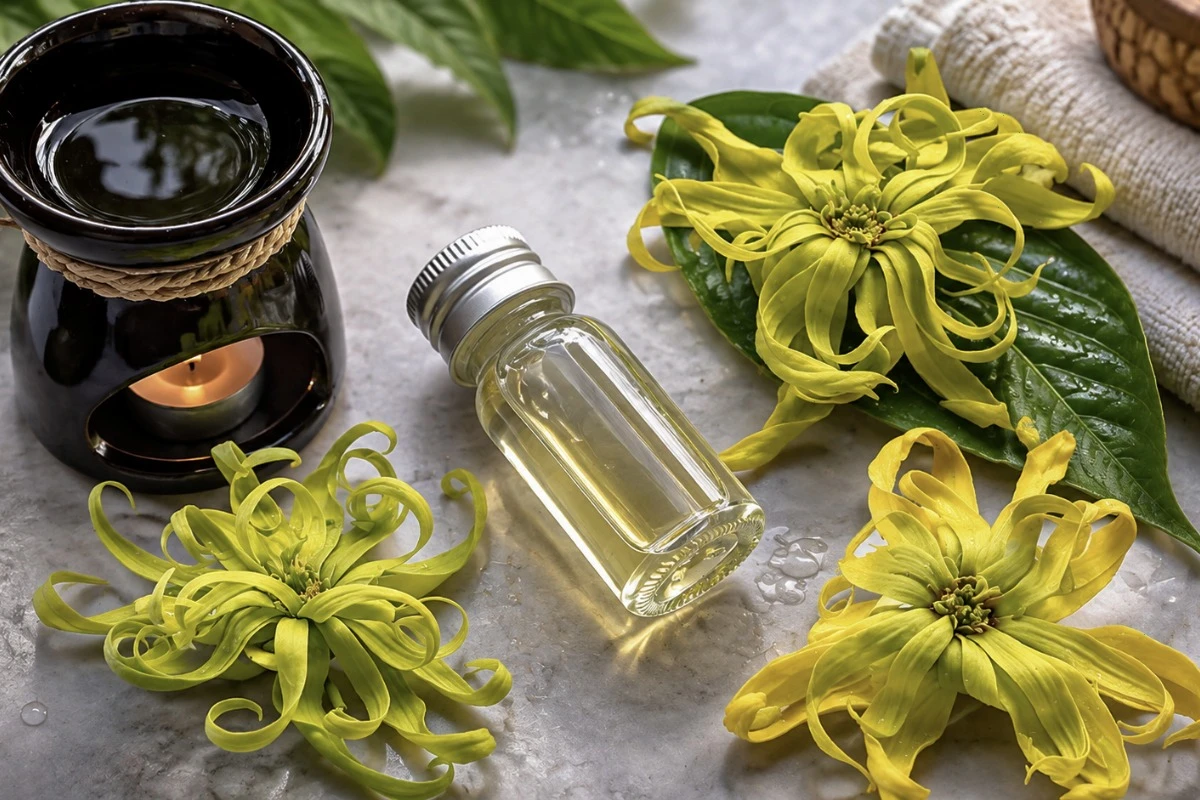
The tree grows wild across Southeast Asia as far as northern Australia, and it is widely cultivated in Madagascar. Its star-shaped blossoms have long, bright yellow petals with a deep red base that release a sweet, exotic, and strong scent.
What Does Ylang Ylang Smell Like?
Ylang-ylang has a bold aroma with a sweet, rich, and exotic floral scent that is gentle yet strong. It carries a tropical touch like banana with a hint of warm spice, soft at first but powerful enough to last long on the skin or in a room.
Why the Same Flower Smells Different in Every Bottle
When you buy a perfume or oil with a ylang-ylang scent from various brands, or even separate bottles, you may notice that each one smells a little different. This is normal in the fragrance industry, because ylang-ylang oil is made through fractional distillation, and each stage produces its own aroma grade.
The Extra grade is collected in the first hour or two of distillation, which is why its scent is sweeter and lighter, making it ideal for perfume. Grades I, II, and III are collected afterward, each with a heavier, woodier character, while Complete oil comes from a full, uninterrupted run.
These grades are not about quality but about how the process shapes the aroma. That is why every bottle of ylang-ylang oil can smell different from the next.
Ylang Ylang, Cananga and Kenanga: Same Tree, Different Character
Ylang-ylang, cananga, and kenanga all refer to the same botanical species, Cananga odorata, but the names can also describe different cultivated forms and regional traditions.
Kenanga comes from Malay and Indonesian, while cananga is the name used for its botanical genus. Ylang-ylang comes from the Tagalog name ilang-ilang, which later became widely used in the international fragrance industry.
Across Southeast Asia, the plant is commonly associated with two cultivated groups. Cananga, traditionally known as Cananga odorata forma macrophylla and often grown in Java, has a sturdier trunk and branches that spread more horizontally.
Its flowers are used to produce cananga oil, which generally has a less intensely floral scent. Ylang-ylang, traditionally called forma genuina, has a more slender appearance with drooping branches. Its flowers produce the sweeter, richer floral oil commonly used in fine perfumery.
There is also kenanga perdu, or dwarf ylang-ylang (Cananga odorata var. fruticosa), which grows as a small shrub rather than a tall tree. Unlike the larger forms cultivated for essential oil production, this variety is often grown in gardens or pots for its fragrant flowers and ornamental appearance.
Although they belong to the same species, their different growth forms and uses give each one its own character.
Kenanga’s Indonesian Roots
In Indonesia, kenanga was already part of local traditions long before ylang-ylang became widely known in the international fragrance industry.
In Java, for example, its fragrant flowers are traditionally used in wedding ceremonies. In Bali, kenanga is often included in flower offerings for religious ceremonies and may also be used in purification rituals such as melukat, where it is combined with other flowers.
Today, kenanga is valued not only for its cultural and spiritual significance but also for its fragrance. Its flowers are used to produce essential oils for perfumes, aromatherapy, and spa treatments, connecting its traditional uses with the modern fragrance and wellness industries.
What Ylang Ylang Can and Cannot Do
Ylang ylang is commonly used in aromatherapy and relaxation treatments because its essential oil has several potential benefits, including:
- Help With Relaxation and Stress: A study by Hongratanaworakit and Buchbauer (2006) involving 40 participants found that those who applied ylang ylang oil to their skin felt calmer and more relaxed compared to the control group.
- Potentially Support Skin Health: Ylang ylang essential oil contains compounds with antibacterial and antioxidant properties. A study published in Pharmaceuticals (2024) found that the oil showed activity against certain bacteria, including Staphylococcus aureus, in laboratory tests.
- Used in Aromatherapy for Pain Relief: Ylang-ylang is sometimes included in massage oils to promote relaxation and ease body tension. However, there is still not enough clinical evidence to confirm that the oil itself can effectively relieve pain.
- Used in Perfumes and Fragrances: Its sweet floral scent makes ylang ylang a common ingredient in perfumes, soaps, cosmetics, and spa products. Its extracts can also be used as food flavoring ingredients when prepared in quantities and formulations that meet food safety standards.
Although ylang-ylang has several potential benefits, there are also things it cannot do. Its essential oil cannot cure serious medical conditions or replace medical treatment. It should not be applied directly to the skin without proper dilution, as it may cause irritation or allergic reactions. Extra care is also needed around pets, especially cats and dogs, because exposure to ylang ylang essential oil can be harmful, particularly if ingested.
How Ylang Ylang Shows Up in Spa Rituals
In spa treatments, ylang ylang essential oil is often used in several rituals, including aromatherapy massage, facials, skin treatments, and flower baths. It is usually added for its calming floral scent and potential benefits that can make the experience more relaxing.
Aromatherapy Massage
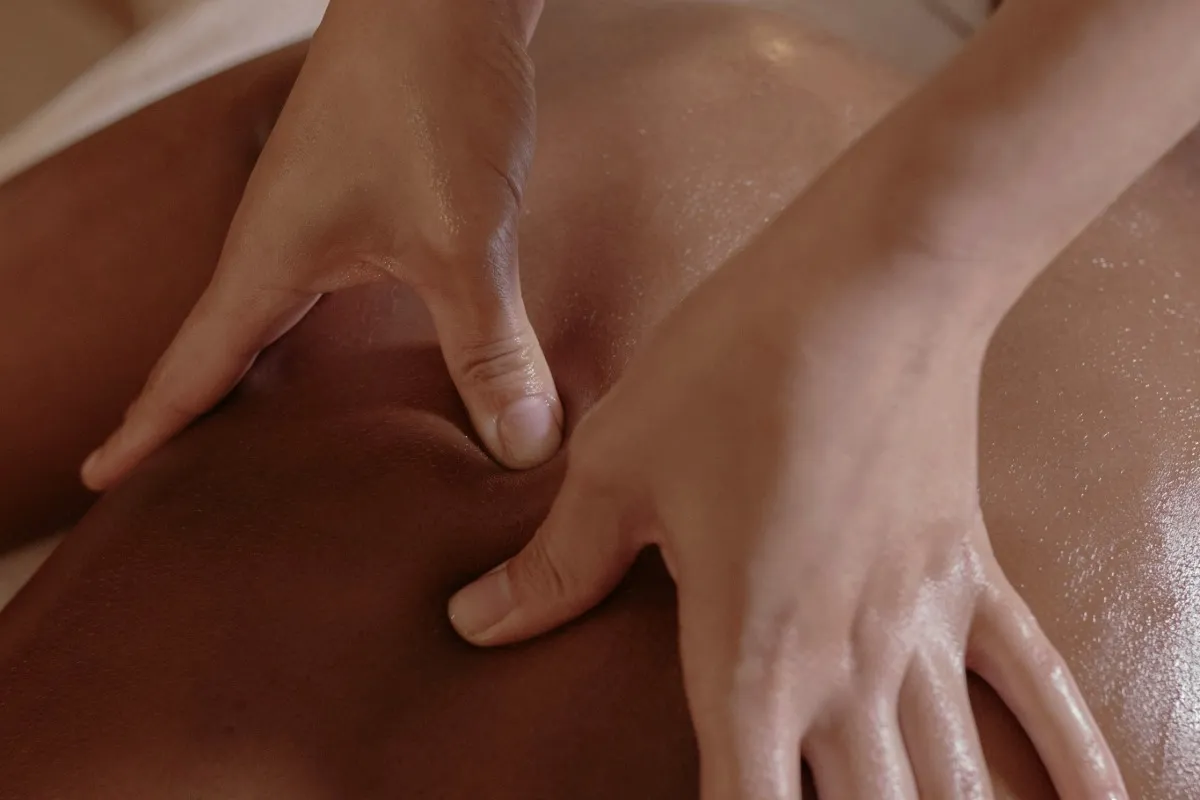
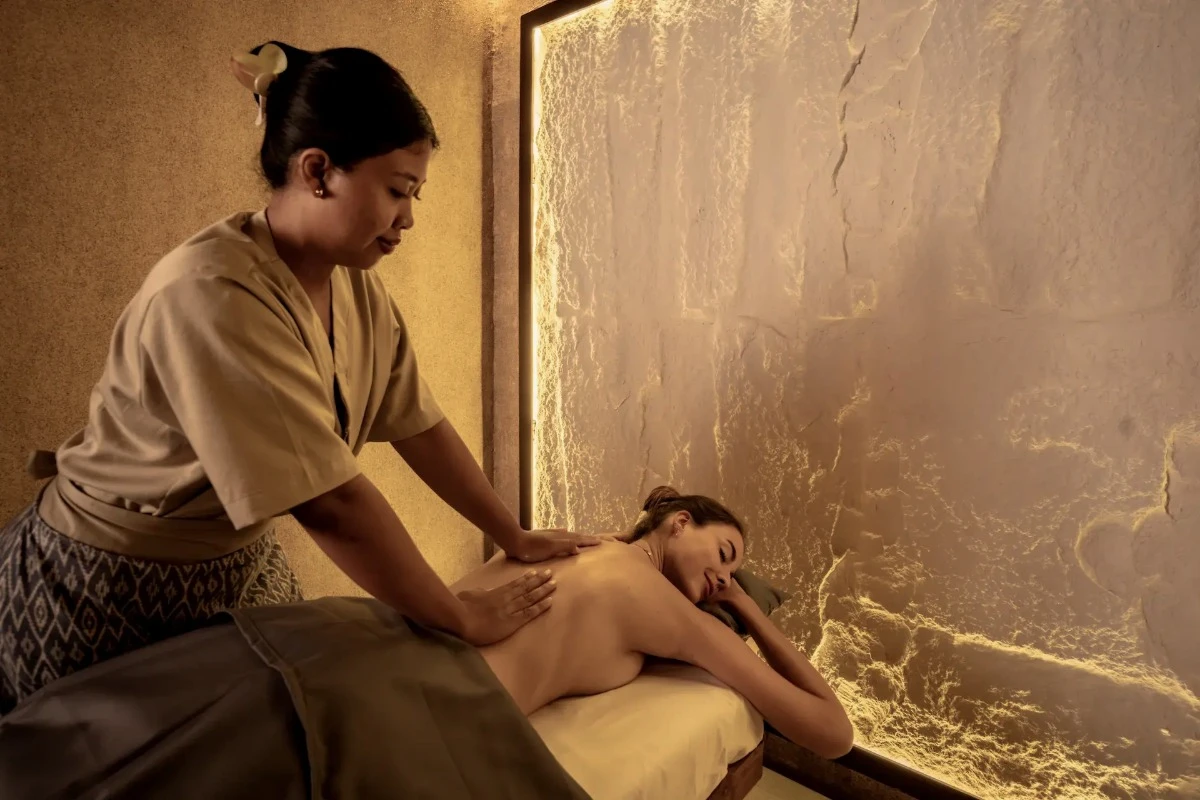
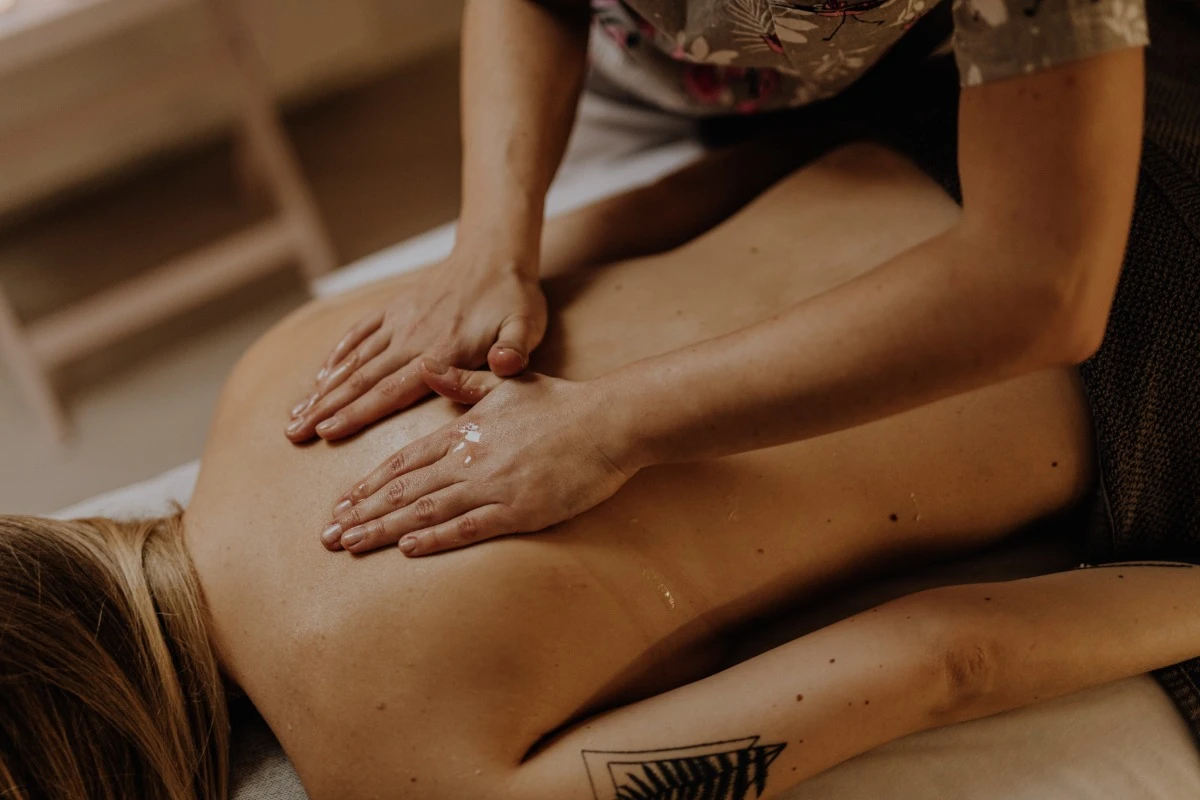
Aromatherapy massage is a body massage that uses essential oils extracted from plants, including ylang-ylang, to promote relaxation and help ease body tension. Ylang ylang oil is usually blended with a carrier oil before being applied to the skin, while its sweet floral scent helps create a calming atmosphere throughout the treatment.
Facials and Skin Rituals
Ylang-ylang essential oil is also used as an additional ingredient in skincare products because of its pleasant fragrance and potential antibacterial properties. You may find it in facial oils, creams, and other spa products, although its direct benefits for skin health still need further research.
Flower Baths and a Scent of Your Own
In flower bath rituals, ylang-ylang flowers are sometimes added to bring a natural floral scent to the water. Some spas also use its essential oil in personalized fragrance blends, allowing guests to choose an aroma that suits their preferences. Adding ylang-ylang can make the bathing experience feel more fragrant, calming, and personal.
Questions People Ask About Ylang Ylang
How Do You Pronounce Ylang Ylang?
Ylang ylang is commonly pronounced as “ee-lang ee-lang,” with a soft “ee” sound at the beginning of each word. The name comes from the Filipino word ilang-ilang, which refers to the fragrant tropical flower.
Can You See Kenanga Trees in Bali?
Yes, kenanga trees can be found in Bali, especially in traditional gardens, family compounds, and some temple areas. The flowers are often used in Balinese offerings and religious ceremonies, making them part of the island’s local traditions.
Does Ylang Ylang Help You Sleep?
Ylang ylang may help you feel calmer and more relaxed through its sweet floral scent, which is why it is often used in aromatherapy before bedtime. However, there is still limited scientific evidence that ylang ylang can directly improve sleep quality or treat insomnia.
A Scent That Holds Memory
Ylang-ylang is more than just a beautiful flower with a pleasant fragrance. It has long been part of many Southeast Asian cultures and is widely used in spa treatments for its calming scent and potential benefits. If you want to experience its fragrance and relaxing effects for yourself, visit Hammana Spa and enjoy an aromatherapy session or other treatments featuring this floral essential oil for a memorable spa experience.