Breathwork Bali is a wellness practice that uses conscious breathing techniques to help you relax, calm the mind, and support emotional balance. Across Bali, especially in Ubud, many wellness centers include guided breathwork sessions as part of their holistic programs, often alongside yoga, meditation, and other mindful practices.
This article will help you understand what breathwork is, how different breathing techniques work, and what you can expect during a guided session. You’ll also learn about its potential wellness benefits, how to choose a technique that suits your goals, important safety considerations, and ways to combine breathwork with other wellness experiences in Bali, without making medical or therapeutic claims.
What Breathwork Actually Does to the Body and Mind?
Simply put, breathwork is a way of using your breathing to help your body and mind slow down. By intentionally changing your breathing pattern through simple breathing exercises, you can create a calmer rhythm that may help reduce feelings of stress, clear a busy mind, and bring your attention back to the present moment.
Techniques such as box breathing, for example, use a steady pattern of breathing in, holding, breathing out, and pausing to encourage a more relaxed state. Slow, rhythmic breathing can also help release physical tension and create space to process emotions more calmly.
As the session continues, you may begin to feel more focused, grounded, and aware of how your body feels. Overall, breathwork can be a simple way to support relaxation, emotional balance, and a stronger connection between your body and mind.
Core Breathwork Techniques and What Each One Supports
Diaphragmatic and Box Breathing for Daily Calm
Diaphragmatic breathing and box breathing are simple breathwork techniques that can help you slow down during a busy day. By creating a steady breathing rhythm, these practices encourage relaxation, ease mental tension, and help bring your focus back to the present.
They are also commonly used as gentle nervous system regulation techniques when you need a quick moment to reset.
Conscious Connected Breathing for Emotional Release
Conscious Connected Breathing is a form of conscious breathing where the inhale and exhale flow continuously without long pauses in between. This steady breathing pattern can create space to notice and process emotions that may have been building up, helping you feel lighter, calmer, and more emotionally balanced after the session.
Holotropic Breathwork for Deeper Self-Exploration
Holotropic breathwork uses faster or more dynamic breathing patterns, often combined with music, to support deeper self-reflection. Similar approaches may also appear in shamanic-style breathwork sessions. ‘
These practices are generally more intense than everyday breathing exercises and are often chosen by people who want to explore emotions, personal experiences, or gain a deeper sense of inner awareness.
Matching the Technique to Your Goals
Choosing the right breathwork technique depends on what you want from the experience. Gentle practices such as diaphragmatic or box breathing may be better for everyday relaxation and focus, while deeper breathwork techniques may suit those looking for emotional exploration or greater self-awareness.
The important thing is to choose a method that feels comfortable and appropriate for your current needs.
Breathwork for Emotional Balance, Not Just Relaxation
One of the main breathwork benefits is that it can help you manage emotions while giving your body a chance to slow down. Through mindfulness breathing, you become more aware of what you are feeling without immediately reacting to it.
This creates a little more space between the emotion and your response, which can make it easier to stay calm and think clearly.
With regular practice, breathwork may also support nervous system regulation by encouraging a more relaxed breathing pattern and helping the body release built-up tension. Over time, this can leave you feeling more balanced, grounded, and better prepared to handle everyday stress and emotional ups and downs.
Preparing for a Breathwork Session
- Physical Preparation
- Keep Meals Light: Before joining a breathwork session Bali, avoid heavy meals for at least two hours. A lighter stomach can help you breathe more comfortably and move through the session without feeling too full.
- Wear Comfortable Clothing: Choose loose clothing that allows your chest and stomach to move freely while practicing relaxation breathing.
- Mental and Environmental Preparation
- Come with an Open Mind: Try not to set strict expectations for the session. Simply stay open to the experience and let the breathing practice unfold naturally.
- Choose a Calm Space: Find a quiet environment with as few distractions as possible. Turn off notifications and put your phone aside so you can focus fully on your breathing and the present moment.
What a Guided Breathwork Session Looks Like Step by Step
- Introduction and Intention Setting
Understanding the Technique: A guided breathwork session usually begins with the facilitator explaining the breathing method, including how the rhythm works and what you may experience during the practice.
Setting an Intention: Before starting, you may be invited to sit quietly and choose a simple intention for the session, such as relaxation, clarity, or emotional balance. - The Active Breathing Phase
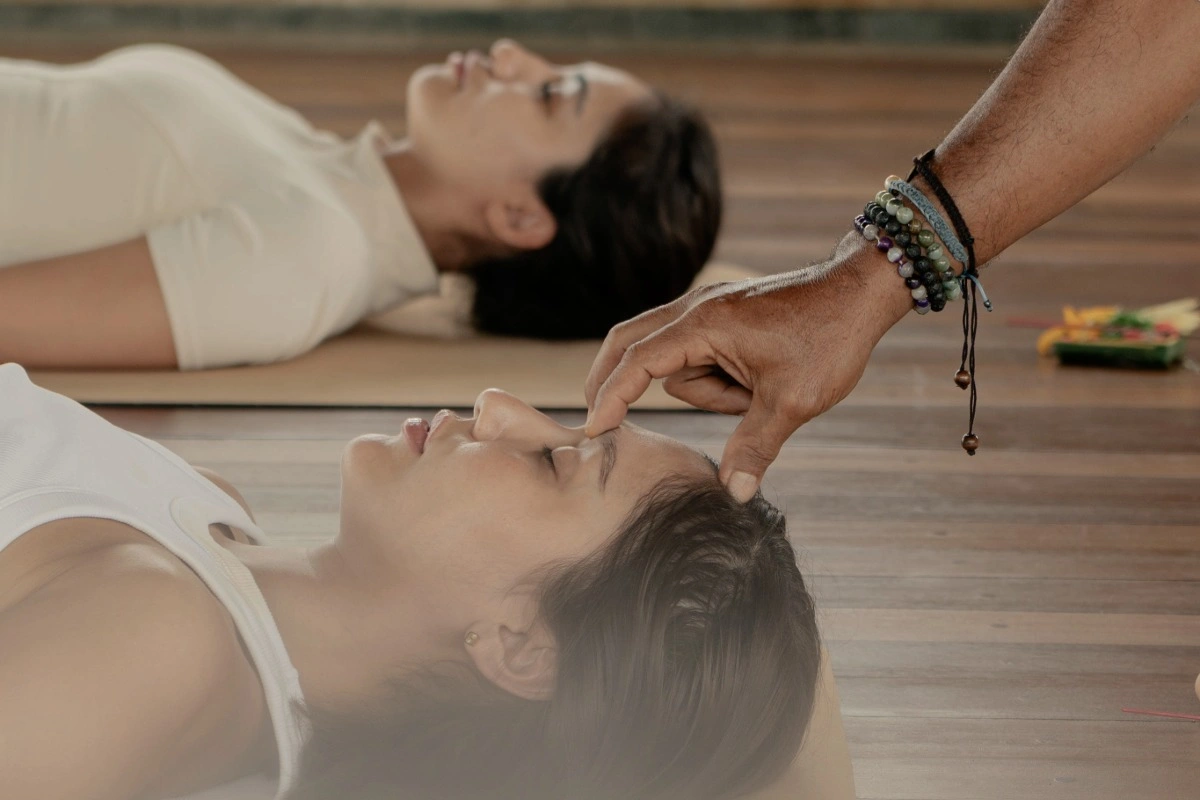
Following the Breathing Rhythm: You’ll usually sit or lie down comfortably while following the pace and breathing pattern guided by the facilitator. Depending on the technique, the rhythm may be gentle or more active.
Allowing Feelings to Surface: Music is often used to help you stay focused and connected to the experience. During breathwork for emotional release, you may notice different emotions, thoughts, or physical sensations coming up naturally. - Integration and Cool-Down
Returning to Natural Breathing: After the active phase, your breathing gradually slows until you return to a comfortable and natural rhythm. This quieter part supports breathwork for relaxation and gives your body time to settle.
Resting in the Moment: You’ll usually have a few minutes of silence to rest, notice how you feel, and simply enjoy the sense of calm after the breathing practice. - Closing and Grounding
Coming Back to the Present: The facilitator may guide you through gentle movements, stretching, or simple grounding exercises to help you reconnect with your surroundings.
Reflecting on the Experience: Some sessions end with an optional sharing circle, while others simply give you time to sit quietly. This combination of breathing, reflection, and grounding is one reason guided breathwork is often included in holistic wellness in Bali.
Combining Breathwork With Holistic Wellness Experiences
- Pairing Breathwork with Yoga and Meditation:
Adding breathwork before or after yoga can help the body settle, and the mind become more focused. Gentle breathing practices, including breathwork for anxiety, are often used to create a calmer transition into meditation or relaxation. - Combining It with Sound Healing:
Practicing conscious breathing before sound healing can help you feel more present and open to the experience. Once the body is more relaxed, it may be easier to focus on the sounds and vibrations of crystal bowls, gongs, or other instruments. - Including Breathwork in a Wellness Retreat:
A breathwork retreat in Bali often combines breathing practices with yoga, meditation, sound healing, and other mindful activities. Bringing these elements together can create a more balanced wellness routine that supports relaxation, self-awareness, and a stronger connection between body and mind.
Choosing a Breathwork Experience in Bali
- Choose a Location That Feels Calm
Look for a studio or wellness space with a peaceful atmosphere, good airflow, and minimal noise. Areas such as breathwork Ubud studios surrounded by greenery or quieter spaces in Canggu can make relaxation breathing feel more comfortable and immersive. - Pick a Class That Matches Your Experience
If you are new to breathwork, start with a beginner-friendly class focused on gentle techniques and breathwork for stress relief. More experienced participants may prefer smaller group sessions, private classes, or practices such as pranayama breathing for deeper exploration. - Choose a Facilitator You Feel Comfortable With
A good facilitator should explain the technique clearly, create a supportive environment, and guide the session without making you feel pressured. Feeling safe and comfortable can make it much easier to stay focused on your breathing. - Check Reviews and Recommendations
Before booking, take a few minutes to read participant reviews or ask for recommendations from local wellness communities. This can help you find a trusted studio or facilitator that matches the type of breathwork experience you are looking for.
Frequently Asked Questions About Breathwork in Bali
- Can Beginners Join Breathwork Classes in Bali?
Yes. Many breathwork classes in Bali are suitable for beginners. Just let the facilitator know that it is your first time so they can explain the technique clearly and adjust the pace or intensity if needed. - How Long Does a Typical Breathwork Session Last?
It depends on the technique. Gentle practices such as box breathing may last around 30 to 45 minutes, while deeper breathwork sessions focused on emotional exploration can take around 60 to 90 minutes. - What Can You Expect During Your First Breathwork Session?
Everyone experiences breathwork differently. Some people may feel lighter, calmer, or more mentally clear, while others may notice emotions coming up during the session. You might also simply feel deeply relaxed afterward. - Why Is Ubud Popular for Breathwork in Bali?
Ubud is known for its peaceful atmosphere, green landscapes, and strong wellness community. Its quieter surroundings, rice fields, and tropical nature make it a comfortable setting for slowing down, focusing on your breathing, and enjoying a more mindful wellness experience.
Making Breathwork Part of Your Ongoing Bali Wellness Journey
Breathwork Bali can be a simple and meaningful way to slow down, reconnect with yourself, and bring more balance into your wellness routine. Whether paired with yoga, meditation, sound healing, or spa rituals, conscious breathing can add a calming layer to your time in Bali, especially in peaceful destinations such as Ubud.
For a deeper wellness experience, Hammana Spa in Ubud offers a distinctive setting inspired by Turkish Hammam traditions and Balinese Wariga, with personalized rituals designed around relaxation and renewal. Make it part of your Bali wellness journey and book your Hammana Spa experience to enjoy a more intentional moment of rest in Ubud.