Have you ever heard of hydrotherapy? It’s a water-based treatment that uses temperature and pressure to support both your physical and mental health, a practice that’s been around for centuries and has become one of the world’s most popular wellness traditions.
Many people confuse it with medical colon hydrotherapy or veterinary hydrotherapy simply because the names sound alike. To avoid any confusion, here’s everything you need to know about spa and wellness hydrotherapy, including how it works, its benefits, and who it’s best suited for.
What Is Hydrotherapy?
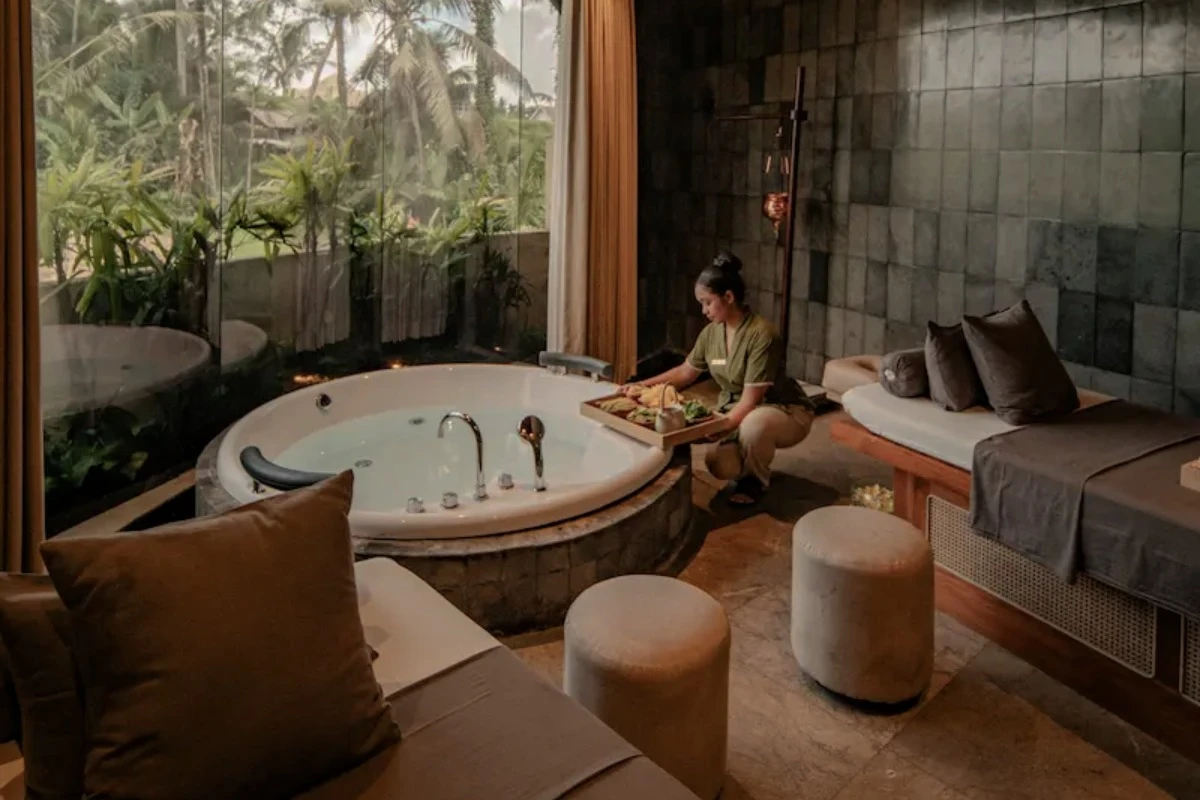
Hydrotherapy is a health and wellness treatment that uses water at different temperatures, pressures, and movements, in a specialized container or pool, to support your body’s relaxation and recovery.
At its core, this treatment relies on three advantages unique to water: its ability to transfer heat more efficiently than air, its buoyancy, which helps reduce the body’s load, and the gentle yet therapeutic pressure it applies against the skin.
Together, these properties create hydrotherapy’s core effects, calming your nervous system and easing physical stiffness.
How Hydrotherapy Works?
Just like the definition itself, hydrotherapy is a combination of heat, buoyancy, and water pressure working together. Here’s how this water-based treatment works on your body:
- Water Temperature: Warm water causes blood vessels to widen (vasodilation), improving circulation and helping muscles and joints relax. Cold water does the opposite, causing vasoconstriction, which calms inflammation and creates an invigorating effect. Many hydrotherapy rituals, like contrast bathing or a sauna-to-cold-plunge sequence, alternate between the two as a kind of workout for your circulatory system.
- Buoyancy: When you’re in the water, you’ll float naturally, with buoyancy offsetting up to around 90% of your body’s weight. This takes pressure off your joints and muscles, easing stiffness and supporting a broader sense of physical release.
- Water Pressure: The hydrostatic pressure, or massage-like sensation, from water jets in a bathtub or pool can help release muscle tension, support circulation, and ease swelling. Besides that, water’s natural resistance also makes movement more challenging, which is what helps build muscle strength over time.
The Benefits of Hydrotherapy for Body and Mind
Muscle pain and stiffness are just one of the main benefits of this treatment; hydrotherapy can also support recovery from a range of other conditions. Here are some of its benefits in general:
- Relieve Pain: Hydrotherapy can help relieve pain in your muscles, back, or from joint inflammation. Studies suggest that spa treatments using hot and cold immersion can significantly reduce pain. This is especially beneficial for people with chronic conditions affecting the musculoskeletal system and connective tissue, since warm temperatures can reduce pain signals, relieve muscle tension, and support blood circulation.
- Treating Arthritis: People with joint inflammation or arthritis may also benefit from this therapy. A 2023 meta-analysis of six randomized controlled trials, published in the International Journal of Surgery, found that hydrotherapy significantly reduced pain and improved joint function in people with knee osteoarthritis, without increasing the risk of side effects, though the study noted that more long-term research is still needed.
- Helping Recovery After Exercise: For those who exercise regularly or engage in intense physical activity, alternating cold and hot hydrotherapy can help ease muscle pain and stiffness after a workout.
- Easing Parkinson’s Symptoms: Parkinson’s disease affects the central nervous system and can cause stiffness in the body. Research suggests that hydrotherapy may help improve postural stability in people with Parkinson’s, helping them feel more relaxed.
- Improving Mental Health: Besides its physical benefits, this treatment can also have a meaningful effect on mental health, as it may help support mood and reduce symptoms of depression and anxiety.
Types of Water-Based Wellness Rituals
Hydrotherapy isn’t the only water-based treatment out there; this kind of practice has been found in nearly every part of the world and practiced for hundreds of years.
The Romans, for example, built entire social institutions around their thermae, and there’s also the hammam ritual found in Turkey or Morocco, among many others. Here are some types of water-based wellness rituals that are interesting to try too:
Traditional and Spiritual Rituals
- Melukat: A traditional Balinese water purification ceremony held at sacred springs, pools, or temples to release negative energy and emotional heaviness, restoring inner balance.
- Hammam Ritual: A Turkish or Middle Eastern hot steam bath tradition for deep-cleansing the body using black soap and a traditional exfoliating scrub called a kese.
Aquatic Bodywork and Floating
- Watsu (Water Shiatsu): A type of aquatic bodywork where the therapist cradles, stretches, and massages you in warm mineral water to release muscle tension deeply.
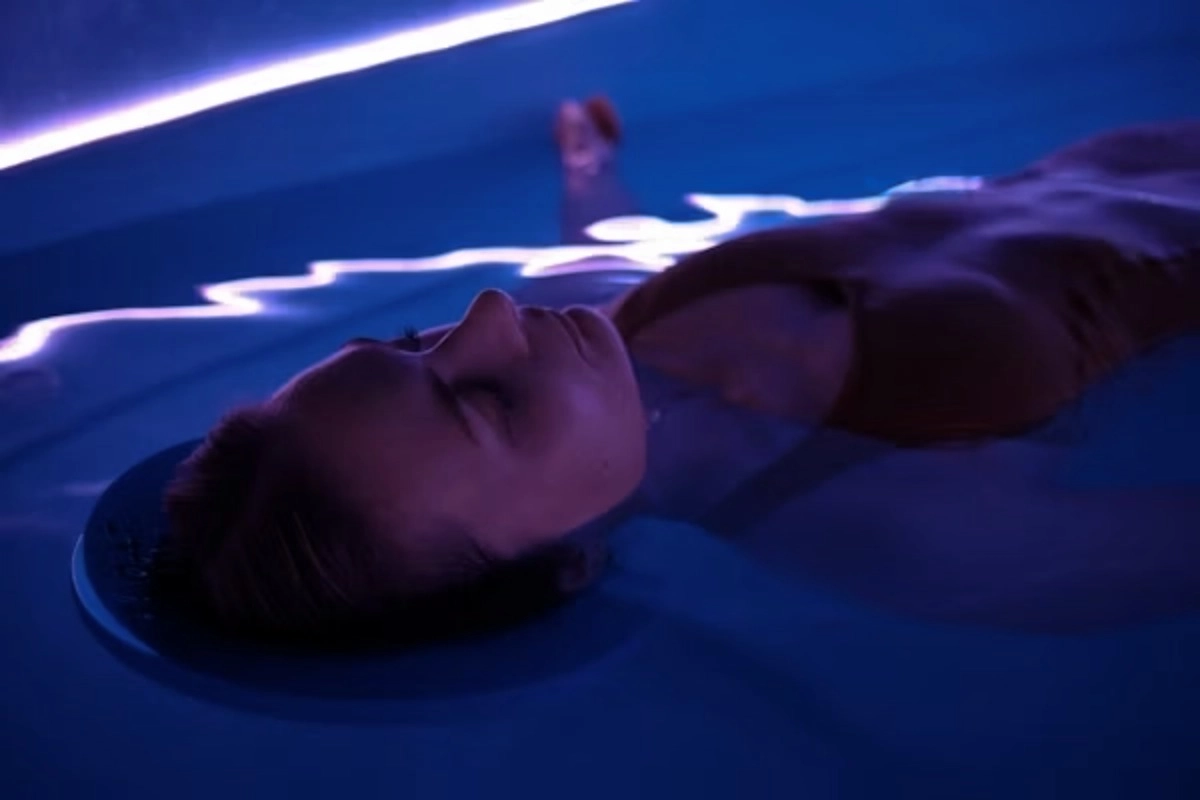
- Floating Therapy: A practice where you lie effortlessly in a specialized tank filled with dense saltwater, reducing sensory input, lowering stress, and inducing deep relaxation.
- Ai Chi: A relaxing water-based practice that blends deep breathing with the slow, graceful movements of tai chi and shiatsu.
Hydrotherapy and Spa Treatments
- Contrast Therapy: Alternating cycles of hot water immersion and cold rinses to stimulate circulation, reduce inflammation, and accelerate muscle recovery.
- Sitz Bath: A treatment where you soak just the hips and buttocks in warm water to relieve pelvic discomfort, hemorrhoids, or postpartum pain.
- Jacuzzis and Steam Rooms: Treatments that utilize heated water jets or high-humidity, moist air to soothe sore joints, open respiratory passages, and relax the nervous system.
What to Look for in a Well-Designed Hydrotherapy Circuit
A well-designed hydrotherapy session isn’t just about randomly changing the temperature; there are several details that can differentiate whether a treatment is genuinely therapeutic or not. Here they are:
- Logical temperature sequencing: An effective temperature cycling sequence takes you through clearer stages, usually starting with heat, like sauna or steam, to support circulation, then soaking in cold water to trigger vasoconstriction and help your body recover to normal before the next stage.
- Adequate time at each stage: A good hydrotherapy session isn’t one that moves through temperatures too quickly. Rushing between hot and cold can erase the main benefit, so enough time must be given at each temperature for your body to actually respond. Usually, this takes a few minutes at the hot temperature, with a shorter but still controlled duration when soaking in cold water.
- Built-in rest and recovery pauses: A good session also never skips the rest period between stages. This is actually where the body’s vascular “pumping” effect happens; skipping it can turn the experience into a physical shock instead of a therapeutic reset.
- Water and facility quality: The water must be clean and well maintained, with a steam room or sauna that has good ventilation. This isn’t just a detail for comfort; it’s an important factor for your safety.
Is Hydrotherapy Right for You?
Generally, this therapy is safe for most people in good health, but if you have any of the following conditions, it’s best to skip the session for your own safety:
- Skin conditions or open wounds: This includes unhealed wounds, whether dry or torn, from a recent surgery, since these carry a risk of introducing bacteria into the water. It also includes contagious infections like rashes, fungal infections, or infections with pus, which can affect the shared pool water, as well as a known chlorine allergy.
- Pregnant women: Sudden exposure to hot or cold temperatures can affect blood pressure and circulation differently during pregnancy, and there still isn’t enough research to confirm that water immersion is safe throughout this period.
- Anyone with a cardiovascular condition: This includes heart failure, arrhythmia, uncontrolled high or low blood pressure, or a history of fainting, since exposure to heat or cold water immersion can cause rapid changes in heart rate and blood pressure.
- Anyone with a respiratory condition or epilepsy: Exposure to extreme heat or a sudden cold shock can trigger symptoms that may cause these conditions to flare up.
Bringing the Ritual Into Your Own Wellness Journey
Hydrotherapy is one of the safest treatments you can try, as long as you’re generally healthy and don’t have any of the specific conditions mentioned earlier. This treatment offers a range of benefits that can leave your body and mind feeling calmer and more relaxed.
If you’re looking to bring this ritual into your own wellness journey in the Ubud area, Hammana Spa offers a range of water-based rituals to explore, from hydrotherapy to hammam rituals, set against the soothing scenery of Ubud. See how these rituals come together at Hammana.