Reiki healing in Bali is one of the most mindful ways travelers are learning to slow down, unwind, and reconnect with themselves. Rooted in Japanese healing tradition, this gentle, hands-on therapy channels universal life force energy to relax the body and restore balance to your natural flow of energy.
Believed to offer a wide range of physical and emotional benefits, if you’re curious to explore this quiet, deeply restorative therapy for yourself, here’s everything you need to know before your first session.
What Is Reiki Healing?
You might not be too familiar with what reiki healing actually is, since it’s not exactly a household name. But despite that, this holistic healing practice comes with a long list of benefits worth knowing about.
So, what is reiki healing exactly? Reiki healing is a complementary therapy from Japan that channels universal energy to relax the body and restore balance to your positive energy. Its core benefits include easing stress and anxiety, supporting better sleep quality, relieving mild to chronic pain, and offering a deeper sense of emotional calm.
The word reiki itself comes from two Japanese words, rei, meaning universal wisdom or divine consciousness, and ki, meaning life force energy. Put simply, reiki translates to spiritually guided life energy.
At the heart of reiki lies five core principles, known as the Gokai, taught by its founder Mikao Usui to help practitioners maintain clarity of mind and energy: do not anger, do not worry, be grateful, work diligently, and be kind to others. Together, these principles help both practitioners and recipients align their energy toward healing.
The Origins and History of Reiki
As mentioned earlier, reiki comes from two Japanese words, rei and ki, meaning universal life force and life energy. Put simply, reiki can be described as a form of energy healing.
Reiki itself is a relaxation technique with deep historical roots, first introduced by a Japanese figure named Mikao Usui in 1922. From there, the practice gradually spread to the United States in the mid-20th century and reached Europe by the 1980s, and today it’s practiced all over the world.
There’s still a lot of confusion around this treatment, and one of the most common questions people ask is whether reiki is a religion. The answer is no; it’s an alternative healing technique, not a religion. Unlike religion, reiki has no sacred scripture, no specific deity to worship, and no religious rituals attached to it.
How Does a Reiki Healing Session Work?
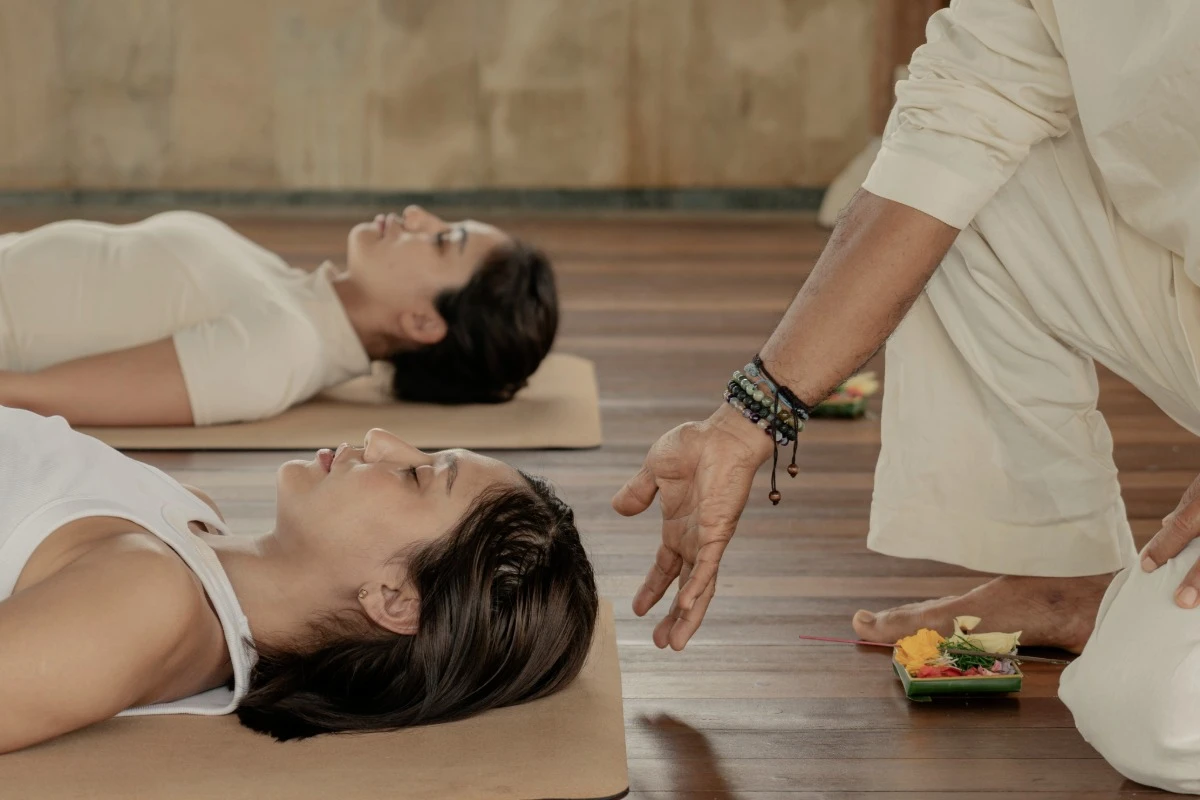
During a reiki session, a trained practitioner places their hands gently on or above specific points on the body, or in a nearby location, moving through a series of different positions. They act as a channel for that life force energy to flow through.
This flow of energy then travels through the body, helping to restore balance to what’s often referred to as the flow of life force, sometimes described as a healing current. So what happens during a reiki session?
Many practitioners believe the relaxation effect produced by Reiki helps activate the body’s parasympathetic nervous system, the state responsible for rest and recovery, slowing the heart rate and lowering blood pressure, leaving you feeling calm afterward.
The Wellness Benefits of Reiki Healing
Reiki energy healing offers a wide range of physical and mental benefits, even though it works on a subtle, energetic level. Here are some of the key benefits of reiki healing you can experience:
- Reduces stress and anxiety: Reiki may help lower cortisol levels and bring a deep, calming sense of relief.
- Supports better sleep quality: For those dealing with insomnia, reiki can help quiet a restless mind, making it easier for the body to settle into deep, restorative sleep.
- Eases chronic pain: Some studies suggest that the relaxation reiki produces may help reduce pain intensity for conditions like arthritis, migraines, and post-surgery recovery by easing tension in the muscles surrounding the affected area.
- Improves emotional balance: Reiki can help process buried emotions like anger or sadness, leaving you feeling more emotionally stable and light.
Reiki and the Chakra System
Reiki and chakra healing are two distinct yet complementary energy practices. Together, they work to clear energy blockages and restore balance across the body, mind, and spirit.
Both practices come from different origins; Reiki was founded by Mikao Usui in the early 20th century, focusing on meditation, breathwork, and universal life energy. Chakra, on the other hand, traces back to ancient Indian Vedic tradition, mapping seven main energy centers along the spine.
Despite their different origins, modern practitioners often combine the two, since reiki can channel healing energy directly into the pathways connected to each chakra.
Reiki Compared to Other Energy Healing Practices in Bali
Bali also has its own distinct energy healing practices, which naturally differ quite significantly from reiki. Here’s how energy healing compares to a few other treatments found across the island.
- Reiki vs. Pranic Healing: Both work with the body’s energy field, but pranic healing focuses more on sweeping and cleansing energy from specific areas of the body, while reiki channels energy more broadly through a series of hand placements across the whole body.
- Reiki vs. Melukat: Reiki is a calm, hands-on practice usually done indoors, while melukat is a sacred water purification ritual performed at holy springs, using flowing water, offerings, and prayer to clear spiritual energy blockages. Both aim to restore balance, but melukat carries a deeper ceremonial and religious meaning, closely tied to Balinese Hinduism.
- Reiki vs. Balinese Chakra Healing: Reiki follows a standardized, universal approach to energy work, while Balinese chakra healing often maps the same energy centers to local cosmological elements, like sacred rivers or volcanic energy, giving it a more place-based, spiritual dimension rooted in Bali’s own belief system.
Is Reiki Right for You?
Reiki isn’t a religious ritual, so it can be practiced by anyone, regardless of background, age, or belief system. Its benefits tend to be most noticeable for those looking to relieve stress and mental tension, people managing chronic pain, and anyone dealing with sleep issues.
Safety and Precautions to Know Before a Session
Even though reiki is generally considered a safe, non-invasive practice, there are still a few important things you should understand before trying it.
- Reiki is not a substitute for medical treatment. It’s simply a practice that can support relaxation and overall well-being, but it cannot cure illness or replace professional medical or mental health care.
- Share your health history, such as any injuries, physical pain, mobility issues, or specific medical conditions you have, so the session can be adjusted to suit your body’s condition.
- Set your touch boundaries, since practitioners usually place their hands lightly on or slightly above the body. Let them know if you’d prefer their hands to hover without direct contact.
- Make sure your practitioner is verified and officially certified, so the session runs safely and meets proper standards.
- Pay extra attention if you have specific conditions, especially if you’re pregnant, have a serious medical condition, or have recently had surgery. Consult with your practitioner or doctor before joining a session.
Reiki Healing in Bali and Balinese Wellness Traditions
Bali is one of the world’s leading wellness hubs, home to countless spas and wellness centers offering top-notch facilities and service. The island also offers a wide range of wellness treatments, both international and rooted in local tradition, designed to calm the body and mind.
Reiki is naturally one of the treatments you can easily find across Bali. It’s already well established, especially in wellness hotspots like Ubud, where many places offer this treatment as part of their services, drawing in travelers who are looking for ways to reset mentally and emotionally during their time on this beautiful island.
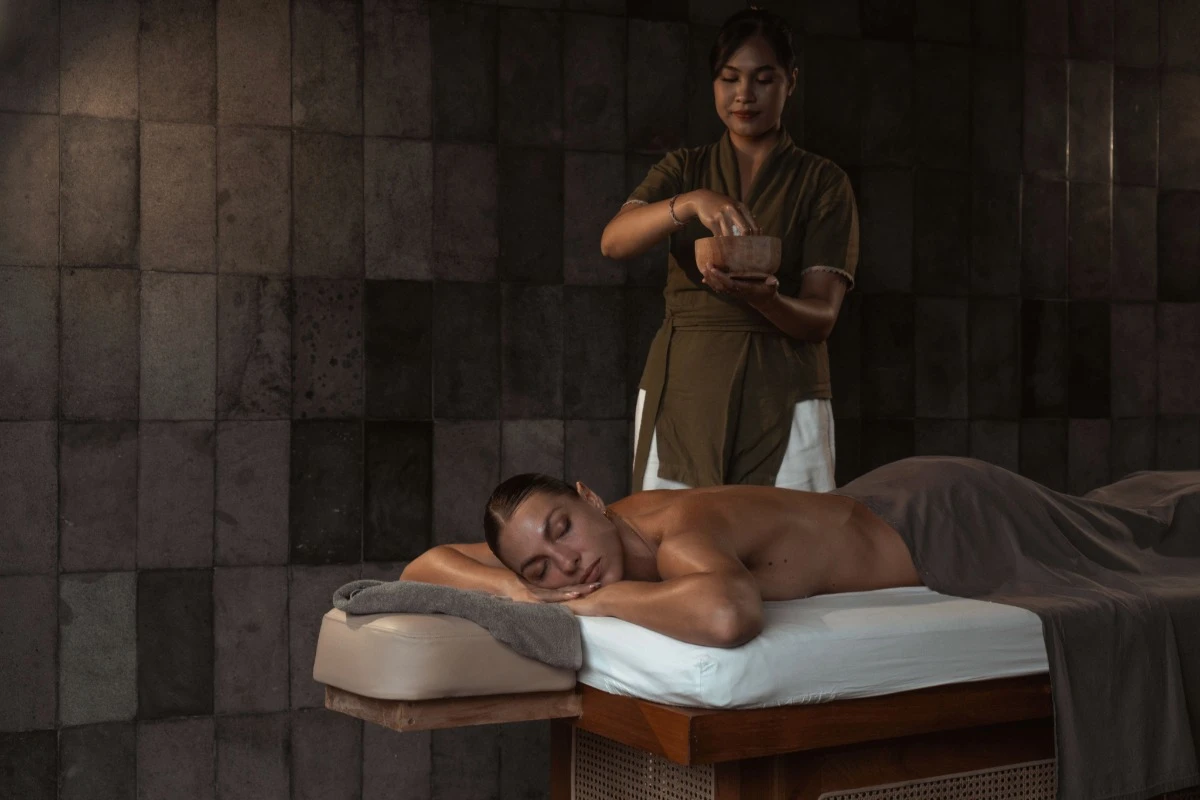
What makes it even more interesting is that many spas and wellness centers in Bali blend reiki with local elements, combining it with things like local singing bowl treatments, energy healing, or traditional cleansing rituals. This fusion creates a richer, more layered experience by combining universal energy from Japan with Bali’s own spiritual wisdom.
Preparing for Your Reiki Session
How long does a reiki session last? A single session typically runs between 60 to 90 minutes on average, though shorter 30-minute sessions are also available. With that time frame in mind, there are a few small things worth keeping in mind to enhance your experience before the session begins.
- Wear soft, loose, and comfortable clothing without heavy belts or bulky jewelry.
- Eat lightly and avoid heavy meals, alcohol, or too much caffeine beforehand so you feel comfortable throughout.
- Take a moment to think about what emotional or physical stress you’d like to release during the session.
- Arrive a few minutes early to settle in and calm your mind before the session begins.
- Bring a water bottle or drink water before and after your session to stay hydrated.
Frequently Asked Questions About Reiki Healing
- How much does a reiki session cost?
The average cost of a single reiki session in Bali typically ranges from Rp150,000 to Rp350,000 (around $9 to $22) per hour, depending on the practitioner’s experience and the location of the provider. Meanwhile, specialized sessions at premium spas or wellness centers can go up to Rp1,350,000 (around $85) or more per session. - What exactly does Reiki do?
Reiki healing isn’t actually backed by science and is classified as pseudoscience, meaning it cannot cure disease. That said, many people still turn to this treatment as a complementary relaxation technique, since the gentle touch and quiet time it offers can help ease stress and anxiety. - Is Reiki healing against God?
Whether reiki goes against God or not really depends on personal religious beliefs and perspective, since opinions on this can vary widely from person to person. Reiki itself isn’t a religious practice. - What are the risks of Reiki?
Reiki doesn’t carry any direct physical risk, since the treatment is non-invasive and uses light or no touch. The main danger, however, lies in delaying or replacing proven medical care with this treatment when you have a specific health condition.
Bringing Reiki Into Your Bali Wellness Journey
As a wellness hub, this tropical island offers plenty of relaxation treatments that can help calm both your mind and body. Reiki healing in Bali is just one of the many ways you can slow down and truly reset during your time here.
A wellness journey in Bali is never one-size-fits-all, with countless local and international treatments waiting to be explored across the island. Wherever your path to calm leads, Hammana Spa is ready to welcome you with a range of treatments designed to bring you closer to genuine, lasting peace of mind.