Chakra balancing is a practice focused on bringing the body’s energy centers back into balance to support physical, emotional, and spiritual well-being. In energy healing traditions, the body is believed to have seven main chakras, running from the base of the spine to the top of the head. Each chakra is connected and is thought to influence different aspects of how we feel and function.
This article will help you understand how chakra balancing works, the techniques commonly used, what to expect during a session, and how it differs from Reiki. We’ll also cover a few important things to consider before trying chakra balancing in Bali, so you can feel more prepared before beginning your energy healing journey.
What Is Chakra Balancing?
Chakra balancing is a form of energy healing that focuses on restoring a smooth flow of energy through the body’s 7 chakras. These energy centers are believed to influence different aspects of physical, mental, and emotional well-being. When one or more chakras feel blocked or out of balance, the goal of chakra balancing is to help bring the energy system back into alignment.
Common practices may include chakra meditation, breathing exercises, sound therapy, and other gentle healing techniques. These methods are often used to support relaxation, emotional balance, and a greater sense of inner calm. When the chakras are believed to be working in harmony, you may feel more grounded, focused, and balanced in daily life.
Signs Your Chakras May Be Out of Balance
An imbalance in the body’s energy system is often associated with signs such as ongoing tiredness, headaches, digestive discomfort, stress, anxiety, or difficulty adjusting to certain situations. Emotionally, you may also feel less motivated, overwhelmed, or simply feel that something is “off.”
Some people also describe blocked chakras as feeling stuck or unsure about their direction in life. Paying attention to these physical and emotional changes can help you decide whether practices such as chakra healing may be worth exploring as part of your wellness journey.
The Techniques Behind Chakra Balancing
A chakra balancing session can combine several gentle techniques to help clear blocked energy and restore a smoother flow throughout the body. These methods are often used together to support relaxation, emotional balance, and better chakra alignment across the body’s seven chakras.
Crystal Placement and Energy Points
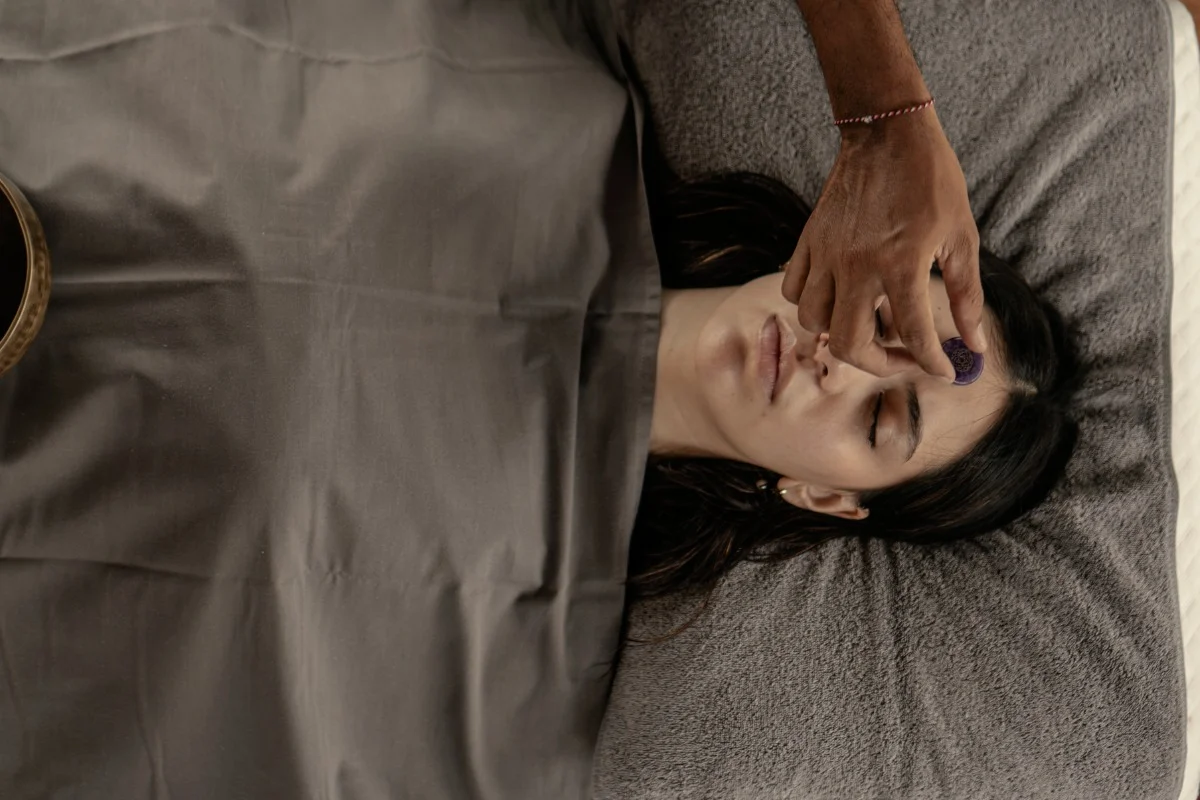
Crystals may be placed on or near specific chakra points based on their colors and traditional energetic properties. In chakra healing practices, these stones are believed to help absorb unwanted energy and support the process of bringing each energy center back into balance.
Sound Therapy and Vibrational Healing
Sound therapy commonly uses singing bowls, bells, or other instruments to create calming vibrations around the body. These sounds can help encourage deep relaxation, making it easier to slow down mentally while supporting the overall chakra balancing process.
Acupressure and the Body’s Energy Pathways
Acupressure involves applying gentle finger pressure to specific points on the body. The technique is traditionally used to encourage smoother energy flow while also helping release built-up physical tension. When included in a chakra balancing treatment, it may complement work focused on different energy centers.
Reiki as a Complementary Layer
Reiki is sometimes included as an additional part of a chakra balancing treatment. During Reiki, the practitioner places their hands lightly on or just above the body with the intention of supporting energy flow and relaxation.
Because of this, Reiki and chakra balancing are often combined in holistic wellness treatments. Some chakra healing Bali experiences may use both approaches to create a more complete session focused on relaxation, emotional balance, and overall well-being.
Chakra Balancing Compared to Reiki, Sound Healing, and Other Energy Modalities
Although these treatments all aim to support balance and well-being, each one works in a slightly different way. Understanding the difference between chakra healing and Reiki, for example, can help you choose the approach that feels most suitable for your physical and emotional needs.
- Chakra Balancing:
Chakra balancing focuses specifically on the body’s seven main energy centers. A chakra healing treatment may use crystals, colors, breathing techniques, emotional awareness, or chakra balancing meditation to help clear blocked energy and bring the chakras back into alignment. - Reiki:
Reiki takes a broader approach. Instead of focusing only on the chakras, the practitioner uses their hands to channel energy throughout the body. The energy is believed to naturally move toward areas that need the most support. - Sound Therapy:
Sound therapy uses vibrations from instruments such as singing bowls or gongs to encourage deep relaxation. It is often included in holistic energy healing sessions because the calming sounds can complement chakra work and help create a more relaxed state. - Acupressure & Meridian Healing:
Acupressure works with the body’s meridian pathways by applying gentle pressure to specific points. Its main focus is encouraging smoother energy flow and releasing physical tension, rather than concentrating specifically on the chakras.
These practices do not necessarily compete with one another. In many holistic treatments, they are combined to create a more complete experience that supports relaxation, emotional balance, and overall well-being.
What Happens During a Professional Chakra Balancing Session
A professional chakra balancing session is usually designed to feel calm, gentle, and relaxing. A trained practitioner will guide you through the process, from a short consultation at the beginning to the final energy work. The experience may vary depending on the chakra balancing techniques used during the session.
Before the Session Begins
The session usually starts with a short conversation about how you are feeling physically and emotionally. The practitioner may also explain the treatment and what to expect. To create a relaxing atmosphere, the room is often prepared with soft lighting, calming scents, or gentle music.
During the Treatment
You will usually lie down comfortably while remaining fully clothed. Depending on the treatment, the practitioner may place crystals near certain chakra points, position their hands above the body, or use sound and other energy-based techniques.
If you are wondering how to balance your chakras, these sessions often combine several methods rather than relying on just one. The goal is to encourage relaxation and support a sense of balance throughout the body.
What You May Feel Afterward
Everyone responds differently after a session. Some people feel deeply relaxed, lighter, or even sleepy, while others may experience an emotional release.
The commonly reported benefits of chakra balancing often focus on relaxation, emotional awareness, and a greater sense of inner balance. It is also a good idea to give yourself some quiet time after the session and notice how your body and mood feel.
How Balinese Healing Traditions Approach Energy and Balance
Balinese healing traditions often view wellness as a balance between the individual, nature, the spiritual world, and the Creator. This idea is connected to concepts such as Tri Hita Karana and Sekala-Niskala, which recognize both the visible and unseen aspects of life. Traditional Balinese healers, known as Balian, may work with these ideas to restore harmony in the body and mind.
Local healing practices can include prayer, massage on specific energy points, herbal remedies such as boreh, and purification rituals like melukat. These traditions can bring a distinctly Balinese spiritual element to chakra wellness, especially for people looking for an experience that goes beyond simple relaxation.
How Often You Should Consider a Session
There is no fixed schedule for chakra balancing. How often you have a session can depend on your stress levels, emotional state, and any major changes happening in your life. For general wellness, some practitioners may suggest having a session every one to three months.
If you feel you have blocked chakras or are going through a particularly stressful or emotional period, you may choose to have sessions more regularly. It is best to pay attention to how you feel and discuss the right frequency with an experienced practitioner.
As for what to expect after chakra balancing, the experience can be different for everyone. You may feel calmer, lighter, more reflective, or simply more relaxed, so giving yourself some quiet time afterward can help you notice how your body and emotions respond.
Preparing for Your First Chakra Balancing Experience in Ubud
Before your first chakra balancing session in Ubud, it helps to arrive feeling relaxed and comfortable. Drink enough water, wear loose clothing, and try to avoid heavy meals or too much caffeine for a few hours beforehand. These simple steps can make it easier to settle into the experience and enjoy the session.
It is also helpful to come with an open mind and a simple intention, such as wanting to release stress, feel more grounded, or restore emotional balance. Like many energy healing treatments, chakra balancing is often more enjoyable when you allow yourself to relax, stay present, and follow the practitioner’s guidance throughout the session.
Bringing Chakra Awareness Into Your Everyday Rhythm
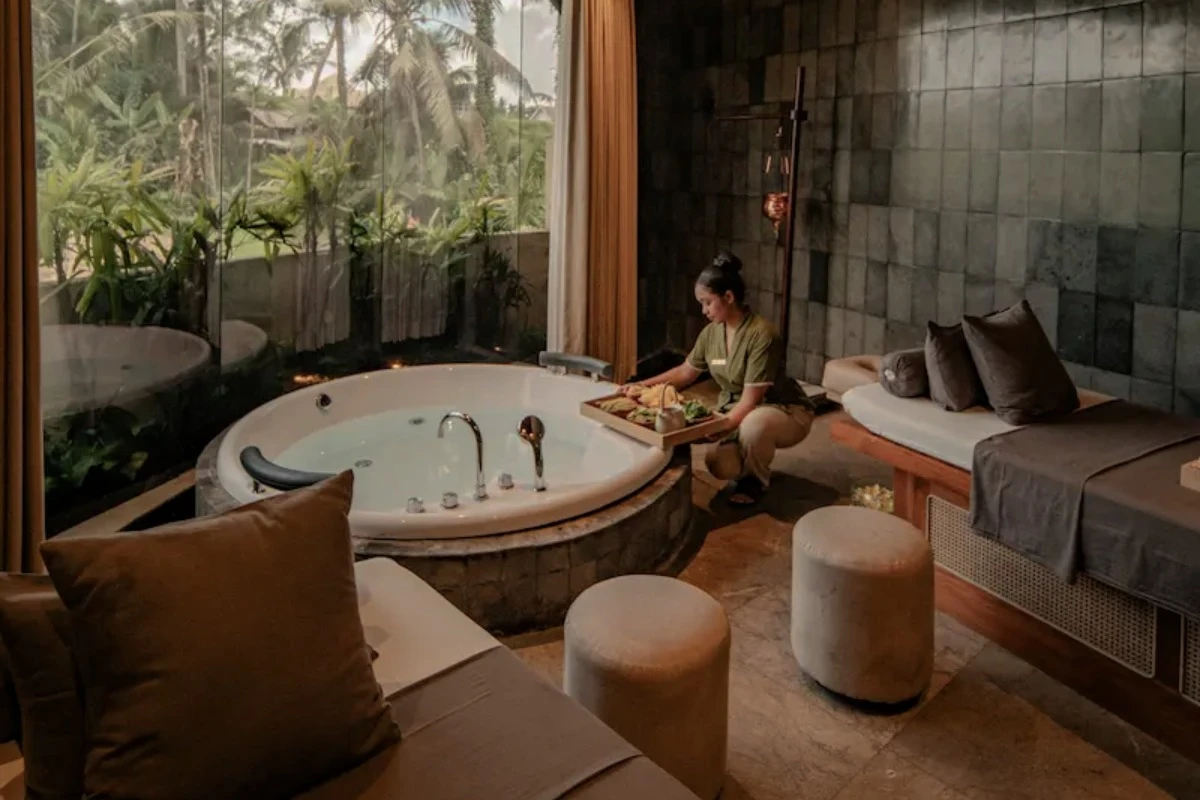
Chakra balancing can be a gentle way to slow down, reconnect with yourself, and bring more awareness to how you feel physically and emotionally. In Ubud, Hammana Spa offers a peaceful wellness setting where holistic treatments can become part of a more mindful and relaxing Bali experience.
If you are ready to explore a calmer approach to wellness and make space for deeper relaxation, Hammana Spa in Ubud is a place to begin. Book your experience at Hammana Spa and take time to reconnect, restore balance, and enjoy a more intentional wellness journey.